
 |
|
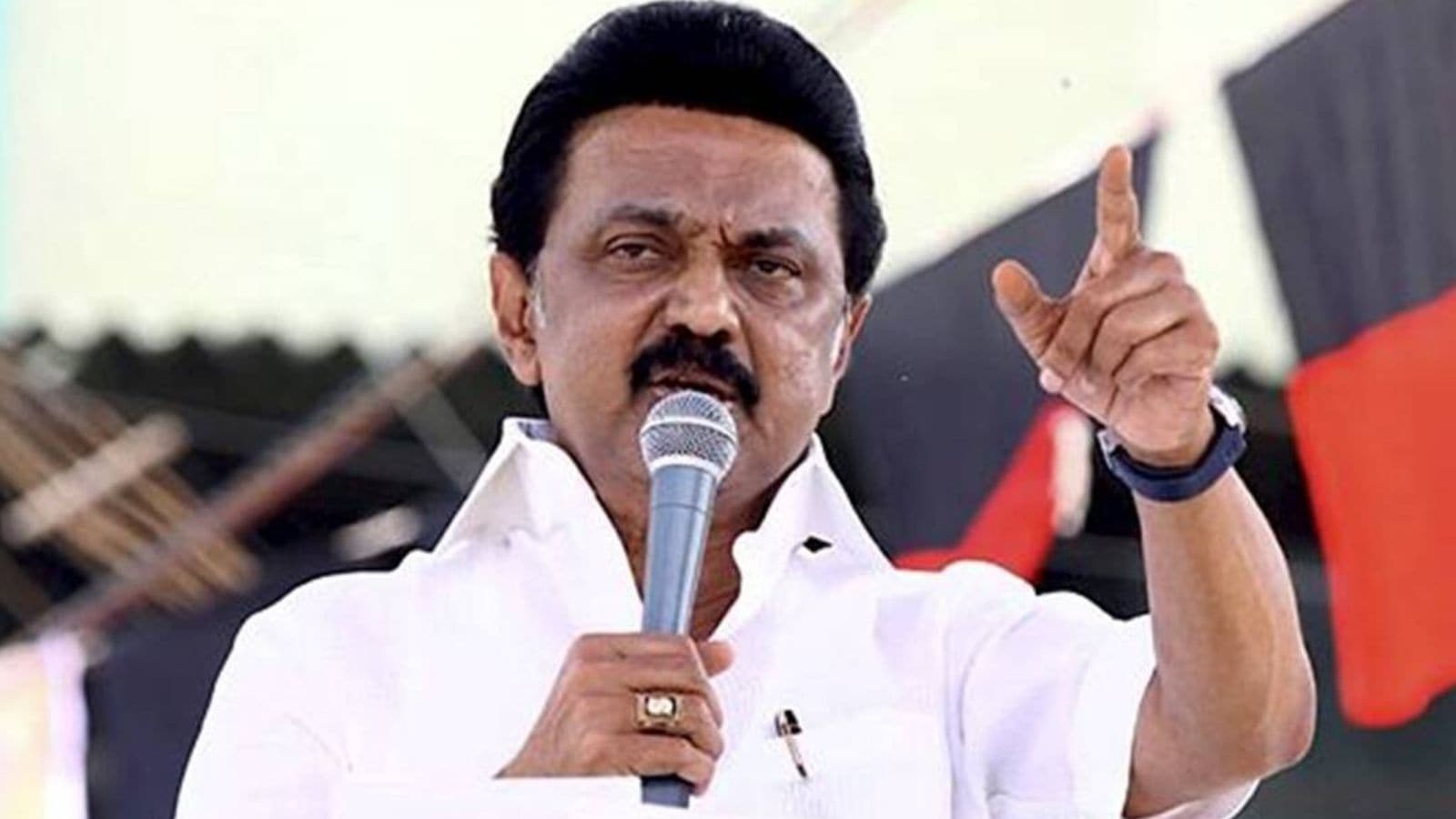
The ongoing conflict between the Tamil Nadu state government and the Union government over the implementation of the National Education Policy (NEP) 2020 has escalated significantly. At the heart of the dispute is the Tamil Nadu government's staunch refusal to adopt the NEP's three-language formula, a core component of the policy aimed at promoting multilingualism across India. Chief Minister M.K. Stalin has accused the central government of employing coercive tactics by withholding crucial education funds as leverage to force the state's compliance. This action has sparked widespread protests and raised serious concerns about the principles of cooperative federalism and states' rights in India's complex political landscape.
The central government's decision to withhold Rs 2,152 crores in funds allocated under the Samagra Shiksha scheme has created a significant crisis within the Tamil Nadu education system. This integrated school education scheme, launched in 2018, funds vital components such as teacher salaries, student welfare programs, inclusive education initiatives, and transportation for students in remote areas. The non-release of these funds poses a severe threat to the smooth functioning of schools and the well-being of countless students and teachers across the state. The Tamil Nadu government argues that this action directly undermines its ability to provide quality education to its citizens and violates the principles of cooperative federalism, where the central and state governments are expected to collaborate effectively.
Tamil Nadu's resistance to the three-language policy is deeply rooted in its history and cultural identity. For decades, the state has upheld a two-language policy of Tamil and English, resisting the imposition of Hindi as a third language. This resistance is not merely a linguistic issue; it reflects a broader concern about the preservation of Tamil language and culture, which are integral aspects of the state's identity. The state's consistent rejection of the Navodaya Vidyalayas, a network of central schools implementing the three-language policy, further underscores its unwavering commitment to its two-language policy. The current dispute highlights a fundamental clash between the Union government's push for a nationally standardized education system and Tamil Nadu's determination to safeguard its unique educational and cultural heritage.
The accusations of coercive tactics leveled by Chief Minister Stalin against the Union government are serious and deserve careful consideration. The use of fund releases as a pressure tactic to compel states to adopt centrally mandated policies raises concerns about the erosion of states' autonomy and the potential for undermining democratic principles. This approach departs from the spirit of cooperative federalism, which emphasizes collaboration and mutual respect between the central and state governments in policymaking. The withholding of funds not only jeopardizes the provision of quality education in Tamil Nadu but also sets a concerning precedent for future intergovernmental relations in India.
The controversy also raises broader questions about the effectiveness and implementation of the NEP 2020 itself. While the policy aims to bring about sweeping reforms in the education sector, its implementation has faced significant resistance in various states, highlighting the challenges of navigating diverse linguistic and cultural contexts across a vast and heterogeneous nation. The Tamil Nadu case underscores the need for a more nuanced and consultative approach to policy implementation, one that respects the unique needs and priorities of different states rather than imposing a one-size-fits-all solution. The ongoing standoff underscores the urgent need for dialogue and compromise to resolve this dispute, ensuring that the well-being of students and teachers is prioritized over political maneuvering.
Source: Union govt using fund releases as pressure tactic to coerce states: Tamil Nadu CM amid NEP row