
 |
|
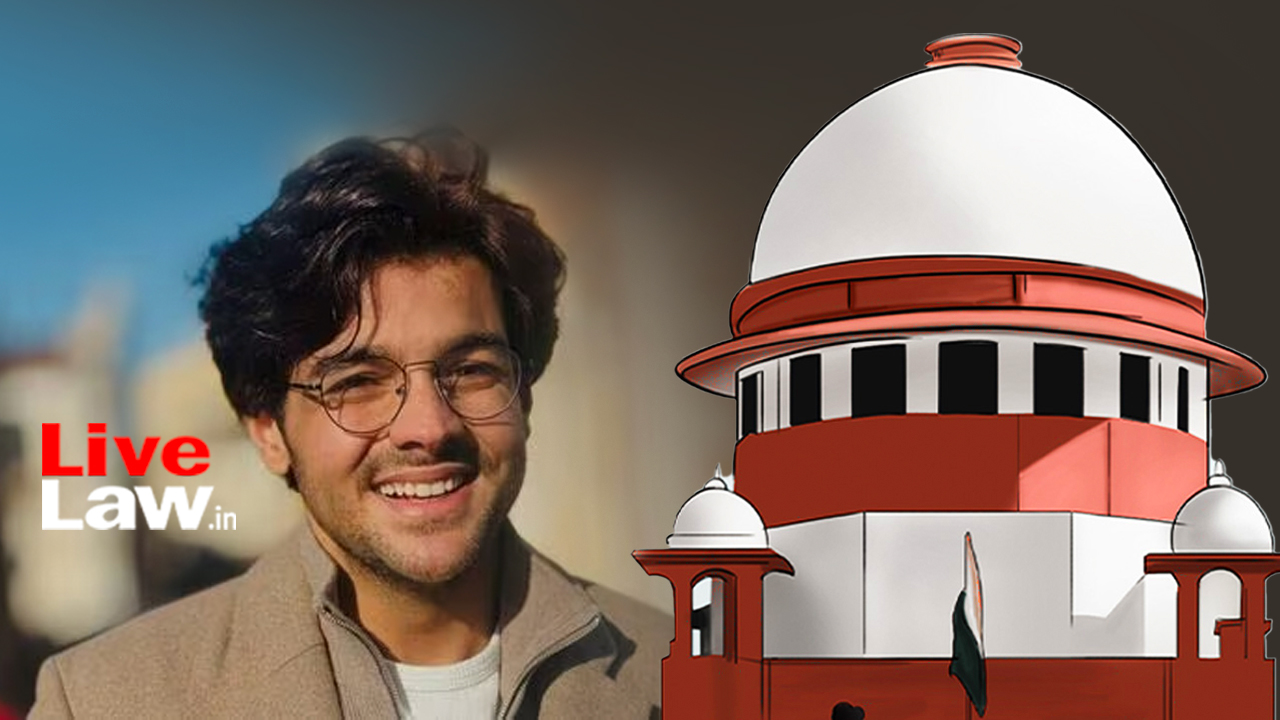
The Supreme Court of India recently took up the case of Ashish Chanchlani, a prominent YouTuber, who is facing multiple First Information Reports (FIRs) alleging obscenity stemming from his participation in an episode of the YouTube show "India's Got Latent." The episode, featuring Chanchlani alongside fellow YouTubers Ranveer Allahabadia, Jaspreet Singh, and Apoorva Makhija, and comedian Samay Raina, sparked significant outrage on social media following the viral spread of certain clips. The controversy centers around comments made during the show, which were deemed offensive and sexually explicit by many viewers. This triggered a wave of complaints, leading to FIRs filed in various jurisdictions, including Assam, Maharashtra, and Rajasthan.
The initial FIR, filed in Assam on February 10th, 2024, by Alok Boruah, accused Chanchlani, Allahabadia, Raina, and others of violating several sections of the Indian Penal Code (IPC) related to obscenity, including Sections 79, 95, 294, and 296. These sections deal with insults to modesty, child employment in criminal acts, and the sale or display of obscene materials. The FIR also invoked Section 67 of the Information Technology Act, 2000, which pertains to the punishment for publishing or transmitting obscene material electronically, along with sections from the Cinematograph Act of 1952 and the Indecent Representation of Women (Prohibition) Act of 1986. The severity of the charges underscores the seriousness with which the authorities viewed the content of the YouTube episode.
Chanchlani initially sought anticipatory bail from the Gauhati High Court in Assam. His defense argued that the objectionable remarks were primarily made by a guest panelist, Allahabadia, and that he had no direct role in the editing or post-production of the episode. The High Court granted him interim anticipatory bail, ordering him to appear before the Investigating Officer within ten days. However, the multiplicity of FIRs filed across different states presented a complex legal challenge. To address this, Chanchlani approached the Supreme Court, seeking the clubbing of the FIRs and their transfer to a single jurisdiction, preferably Mumbai, for more efficient and streamlined legal proceedings. This reflects a common strategy employed to prevent jurisdictional conflicts and avoid the burden of defending against multiple investigations simultaneously.
The Supreme Court's response included issuing a notice to the respondents, which included the Union of India, the State of Maharashtra, and the State of Assam. This signifies the court's recognition of the significance of the case and its potential implications for online content regulation in India. The case was tagged with a similar petition filed by co-accused Allahabadia, highlighting the interconnected nature of the legal challenges faced by the individuals involved. Notably, Allahabadia had also secured interim protection from arrest in various jurisdictions related to the same episode, even as Justice Surya Kant expressed strong criticism of his language, describing it as "dirty" and "perverted." This highlights the court's sensitivity towards offensive content, while simultaneously addressing the potential for overreach in legal actions against content creators.
This case raises crucial questions about the regulation of online content in India and the legal frameworks applicable to content creators. The conflicting demands of freedom of expression and the need to prevent the dissemination of offensive or harmful content are central to the debate. The Supreme Court's handling of this case, particularly its consideration of the "vacuum" in the regulation of online content, holds significant implications for how similar cases might be handled in the future. The outcome will likely influence the legal landscape surrounding online content creation and dissemination in India, impacting the responsibilities and liabilities of YouTubers and other online content producers.
The case of Ashish Chanchlani and Ranveer Allahabadia serves as a significant landmark in the ongoing discourse concerning online content regulation. The decision of the Supreme Court will influence the legal standards applied to determining obscenity in the digital sphere and how authorities handle multiple FIRs arising from the same incident across different states. The scrutiny given to the content itself, as well as the process of filing and adjudicating multiple FIRs, will inevitably shape future actions against similar alleged offenses and has the potential to reshape online content creation and audience expectations moving forward. The potential implications extend far beyond the individual YouTubers involved, potentially impacting the broader landscape of free speech and content moderation on online platforms in India.