
 |
|
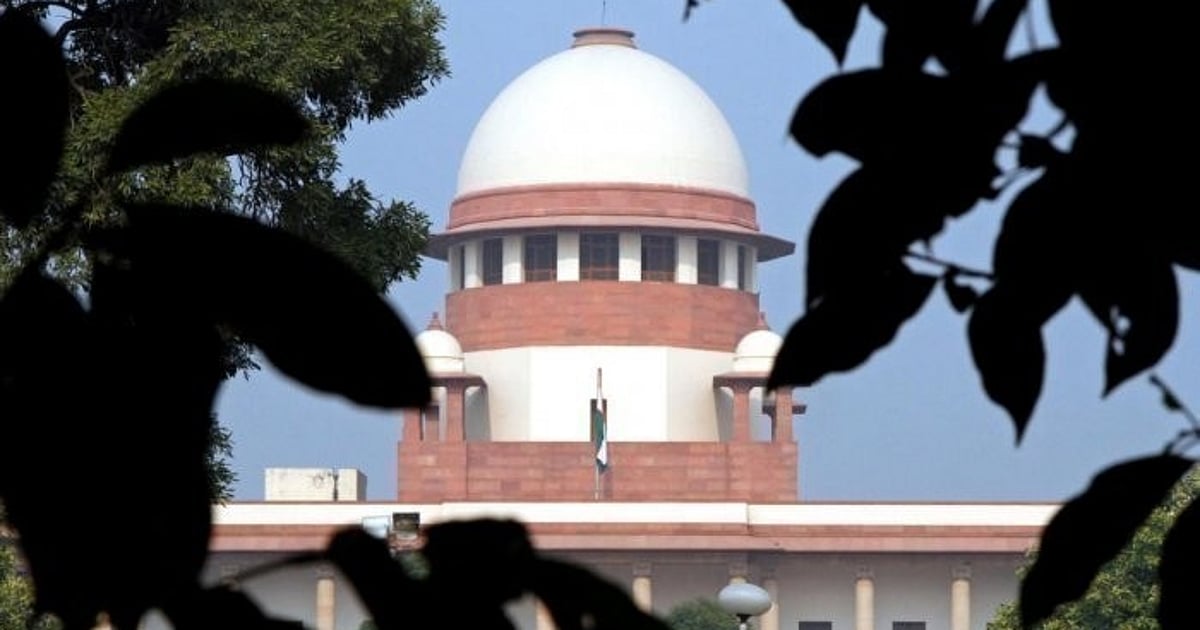
The Supreme Court of India recently issued a notice to the Chhattisgarh government regarding an anticipatory bail plea filed by its former Advocate General. This legal action highlights a significant development in the ongoing legal proceedings against the former legal representative of the state. The Supreme Court's involvement underscores the gravity of the matter and the potential implications for both the former Advocate General and the Chhattisgarh government. The issuance of the notice signifies the court's willingness to examine the merits of the anticipatory bail application, a crucial step in determining whether the former Advocate General will be granted protection from arrest. The precise nature of the accusations against the former Advocate General remains unclear from the limited information available. However, the urgency of seeking anticipatory bail suggests a potentially serious situation, where the former Advocate General believes they are at risk of imminent arrest and prosecution. The court's decision will have significant ramifications, influencing not only the immediate future of the former Advocate General but also potentially shaping perceptions of accountability and transparency within the Chhattisgarh government.
The court's decision to issue a notice, rather than immediately dismissing the plea, demonstrates that the court is prepared to engage in a thorough review of the arguments presented by both sides. This suggests that the court recognizes the importance of due process and the need for a fair and impartial assessment of the evidence. The state government's counsel's statement agreeing to refrain from any coercive action against the former Advocate General until further orders underscores a degree of cooperation and respect for the court's authority. This measure reduces the immediate pressure on the former Advocate General, allowing the legal process to unfold without the immediate threat of arrest. This temporary protection, however, does not guarantee the outcome of the bail application. The court will still carefully examine the evidence and arguments before reaching a final decision. The case serves as a reminder of the critical role played by the Supreme Court in upholding the rule of law and safeguarding individual rights, even for those who have previously held positions of high authority.
The implications of this case extend beyond the immediate individuals involved. The outcome could set a precedent for future cases involving former government officials facing legal challenges. The decision by the Supreme Court will be scrutinized by legal experts and the public alike, offering a potential case study in the balancing of individual rights and the responsibilities of those who have previously served in positions of public trust. Furthermore, the case highlights the complex relationship between the judiciary and the executive branches of government. The court's involvement underscores the judiciary's ability to act as a check on the power of the executive, ensuring that the rule of law prevails, regardless of the political implications. Observing this case closely will enable a better understanding of how India's legal system addresses accusations against former high-ranking officials, providing important insights into the workings of the judicial process and the ongoing struggle for accountability within governmental institutions. The wait for the Supreme Court's final decision is significant, as it will directly impact the former Advocate General's immediate future and potentially have long-term implications for similar cases in the future.
The transparency surrounding this process will be vital. Public access to the details of the case, within the confines of legal confidentiality, will allow for a greater understanding of the allegations and the reasoning behind the court's eventual decision. A transparent process can foster trust in the judicial system and reinforce public confidence in the upholding of the rule of law. It is crucial to maintain a respectful and objective approach to this ongoing legal matter, allowing the court to carry out its duties impartially and reach a just conclusion. The Supreme Court’s final ruling will undoubtedly be a significant benchmark in legal precedent and will shape the understanding of anticipatory bail procedures within the context of high-profile cases involving former government officials in India. The case serves as a potent illustration of the ongoing interplay between legal process, political considerations, and the pursuit of justice within a democratic framework.
Source: SC notice to Chhattisgarh govt on anticipatory bail plea by former Advocate General