
 |
|
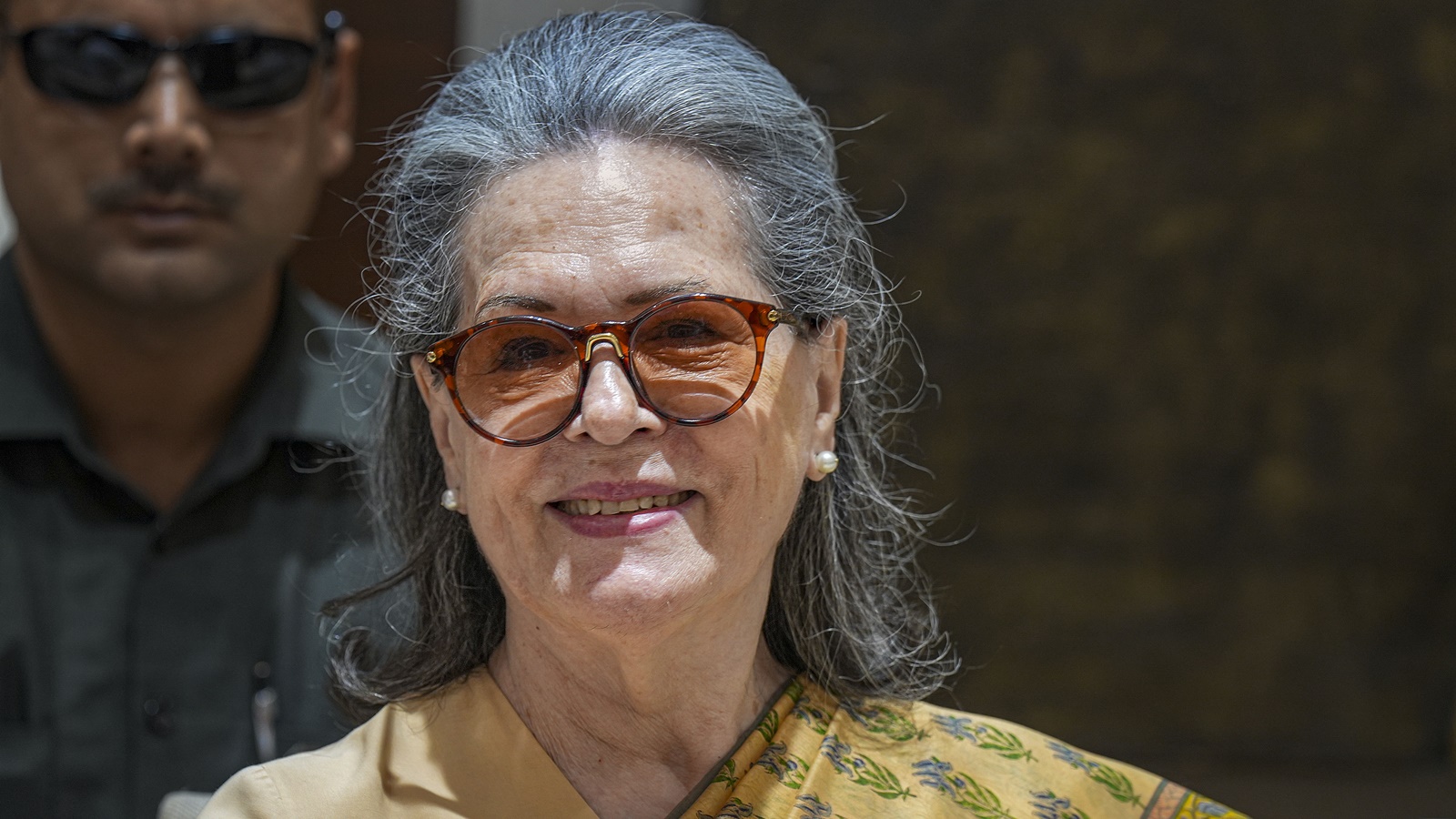
The news of Congress leader Sonia Gandhi's admission to Sir Ganga Ram Hospital in New Delhi on Thursday morning sent ripples through the Indian political landscape. While the specifics surrounding her condition remain somewhat limited, the announcement itself underscores the significant role she continues to play in Indian politics, despite having stepped back from active leadership roles in recent years. Her hospitalization serves as a stark reminder of the human element within the often highly-charged and demanding world of political life. The fact that the information was released by sources to The Indian Express also highlights the delicate balance between respecting an individual's privacy, especially concerning health matters, and the public's right to know about prominent figures' well-being.
The official statement, citing stomach-related ailments as the reason for her admission, offers a degree of clarity while simultaneously leaving room for speculation. The vagueness surrounding the nature of her illness is understandable given the desire to protect her privacy. However, the brevity of the information also fuels speculation and the inevitable dissemination of rumors and unverified claims. In an age of instantaneous information dissemination, particularly through social media, it is crucial to differentiate between verified reports and unsubstantiated speculation. The reliance on unnamed sources underscores the challenges journalists face in reporting on sensitive topics involving high-profile individuals.
The expected discharge on Friday morning, if it occurs as anticipated, suggests that her condition is not considered life-threatening. However, it is crucial to avoid minimizing the significance of her hospitalization. Even routine medical procedures or treatments can be disruptive and demanding, particularly for individuals in advanced age. The unwavering focus on Sonia Gandhi's political career often overshadows her human experience, and her current situation serves as a powerful reminder of the need to treat individuals with respect, empathy, and understanding regardless of their public stature. It is imperative that the media refrains from sensationalizing the situation and maintains a respectful approach to this private matter of public interest.
Sonia Gandhi's legacy within Indian politics is undeniably complex and multifaceted. From her early involvement with Rajiv Gandhi to her pivotal role as Congress President, she has navigated an intensely challenging environment. The influence she wields, even outside of formal leadership positions, remains substantial. The reaction to her hospitalization, the level of public concern, and the outpouring of well-wishes, if any, will be a further testament to the lasting impact she has had on the country's political landscape. The event itself serves as a moment of reflection, prompting consideration of the broader context of political leadership, the pressures faced by public figures, and the constant scrutiny that accompanies prominence in the public sphere.
The incident also prompts a discussion on the importance of transparency within political processes. While respecting individual privacy is paramount, maintaining open communication about the health of high-profile figures can help combat misinformation and reduce unwarranted speculation. The approach taken in this instance, relying on unnamed sources and limited details, presents a nuanced challenge for future situations involving public figures' health. Balancing the need for information with respecting privacy will remain a crucial issue in political reporting and public discourse.
Beyond the immediate concerns about Sonia Gandhi's health, the incident provides a broader reflection on health matters for those in positions of political power. The demanding nature of political life, the relentless pressure to perform, and the constant exposure to public scrutiny can take a significant toll on both physical and mental well-being. The situation highlights the need for greater attention to the health and well-being of political leaders, providing adequate support systems, and fostering a culture that prioritizes their overall health alongside their political duties. This includes acknowledging the human toll of political life and recognizing that political leaders are individuals first and foremost.
Furthermore, the incident underscores the broader issues surrounding healthcare access and quality in India. While the details of Sonia Gandhi’s care are likely to be exceptional, given her position, the incident should encourage reflection on the wider challenges faced by many Indians in accessing timely and appropriate healthcare. The contrast between the treatment she receives and the healthcare experiences of ordinary citizens raises questions about equitable access and the broader issues of health inequality within India. It is important to use this opportunity to highlight systemic weaknesses and advocate for improved healthcare for all citizens.
In conclusion, the hospitalization of Sonia Gandhi is a significant event that extends beyond the confines of a simple health update. It offers a window into the interplay of politics, public figures, and health, highlighting privacy concerns, the media’s role, and the broader systemic implications for healthcare access in India. The situation also provides an opportunity to reflect on the demands of political life, the toll it takes on individuals, and the need for a more compassionate and nuanced understanding of political leadership.
Source: Congress leader Sonia Gandhi admitted to Sir Ganga Ram Hospital