
 |
|
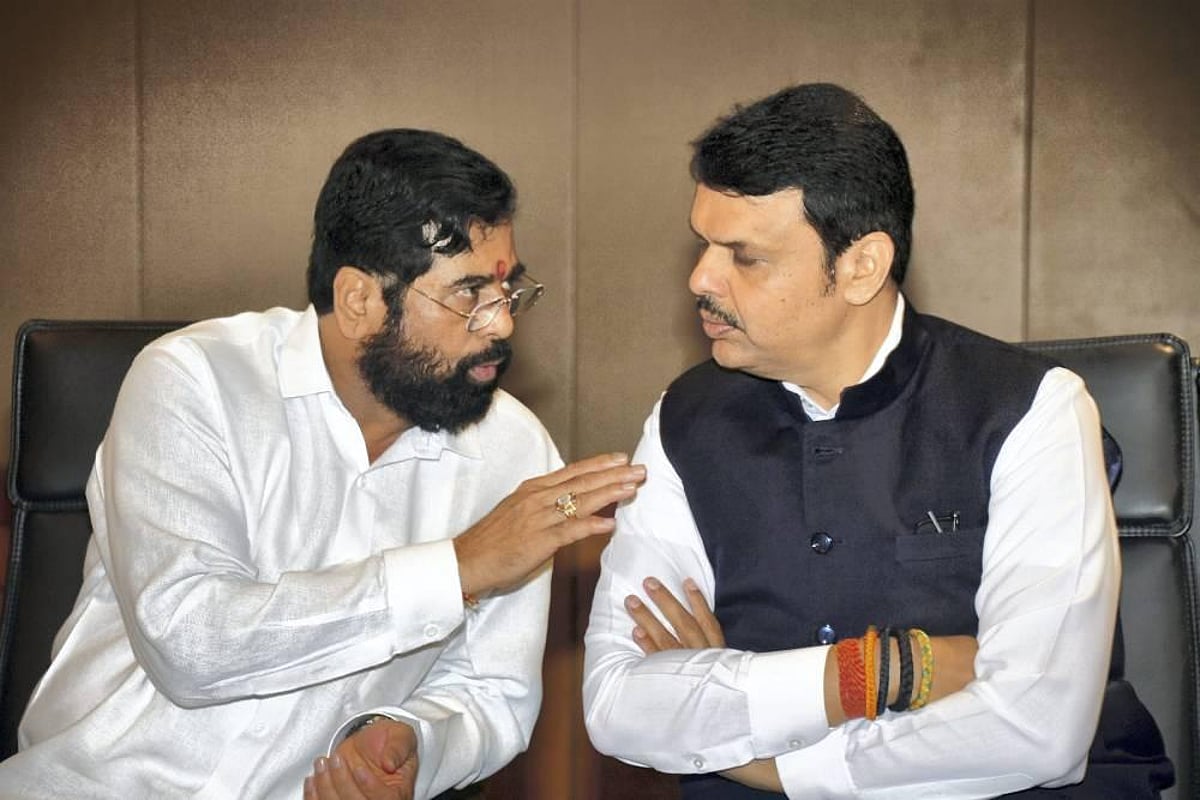
The political landscape of Maharashtra has recently been abuzz with speculation regarding a potential rift between Deputy Chief Minister Eknath Shinde and Chief Minister Devendra Fadnavis. These rumors, initially sparked by disagreements over the allocation of crucial guardian minister posts in Raigad and Nashik, threatened to destabilize the already delicate Mahayuti coalition government. However, Shinde's recent public statements aim to quell these concerns, asserting that the relationship between himself and Fadnavis remains strong and collaborative. His declaration, 'We are thanda thanda, cool cool,' signifies a deliberate attempt to project an image of unity and harmony within the ruling alliance. This carefully crafted message seeks to reassure the public and, crucially, the BJP and Shiv Sena party members, that the government remains stable and focused on its agenda.
The controversy surrounding the guardian minister appointments serves as a critical case study in the internal dynamics of coalition politics. The initial allocation, which seemingly favored one party over the other, ignited speculation of a power struggle and potential fractures within the ruling coalition. The subsequent reversal of the decision by Fadnavis, in response to Shinde's concerns, highlights the complex negotiation processes inherent in such arrangements. While this resolution may have temporarily diffused the situation, it underscores the ongoing challenge of managing competing interests and maintaining a delicate balance of power within a coalition government. The incident raises important questions about the transparency and internal decision-making processes within the government, and how such processes impact public trust and perceptions of governmental efficiency.
Shinde's emphasis on the Mahayuti's commitment to development, in contrast to what he characterizes as the Maha Vikas Aghadi's focus on political posturing, represents a strategic communication effort to reframe the narrative. By shifting the focus from internal political squabbles to the government's developmental goals, Shinde attempts to manage public perception and regain momentum. This strategy aims to portray the coalition as a unified force working towards the betterment of Maharashtra's citizens, rather than being embroiled in internal conflicts. This message is particularly critical in the context of upcoming elections and the need to maintain public support. However, the effectiveness of this strategy remains to be seen, particularly if future disagreements arise within the coalition.
The incident highlights the fragility of coalition governments and the constant need for negotiation and compromise. The success of such a government hinges on the ability of its leaders to manage internal disagreements and project a unified front to the public. While Shinde's denial of a rift offers a temporary sense of stability, it doesn't erase the underlying tensions that have been exposed. The future stability of the Maharashtra government will likely depend on the continued ability of Shinde and Fadnavis to navigate these challenges effectively and maintain a working relationship built on mutual respect and trust. Any further disagreements or power struggles could destabilize the government and undermine its ability to implement its policy agenda. The allocation of portfolios and the decision-making processes within the government will continue to be closely scrutinized, and transparency in these matters will be vital to building public confidence.
Beyond the immediate political ramifications, this episode underscores the complexities of coalition governance in India. The constant balancing act between different parties, factions, and personalities creates inherent vulnerabilities and the potential for instability. The episode in Maharashtra serves as a reminder of the need for robust mechanisms for conflict resolution and transparent communication within coalition governments to maintain public trust and ensure effective governance. The future political trajectory of Maharashtra will depend heavily on how successfully the Mahayuti coalition navigates these challenges, maintaining internal harmony while delivering on its promises to the people of the state. The coming months and years will be crucial in determining whether this recent crisis represents a temporary setback or a harbinger of deeper divisions within the ruling alliance.
Source: 'We are thanda thanda, cool cool': Shinde denies rumours of rift with Fadnavis