
 |
|
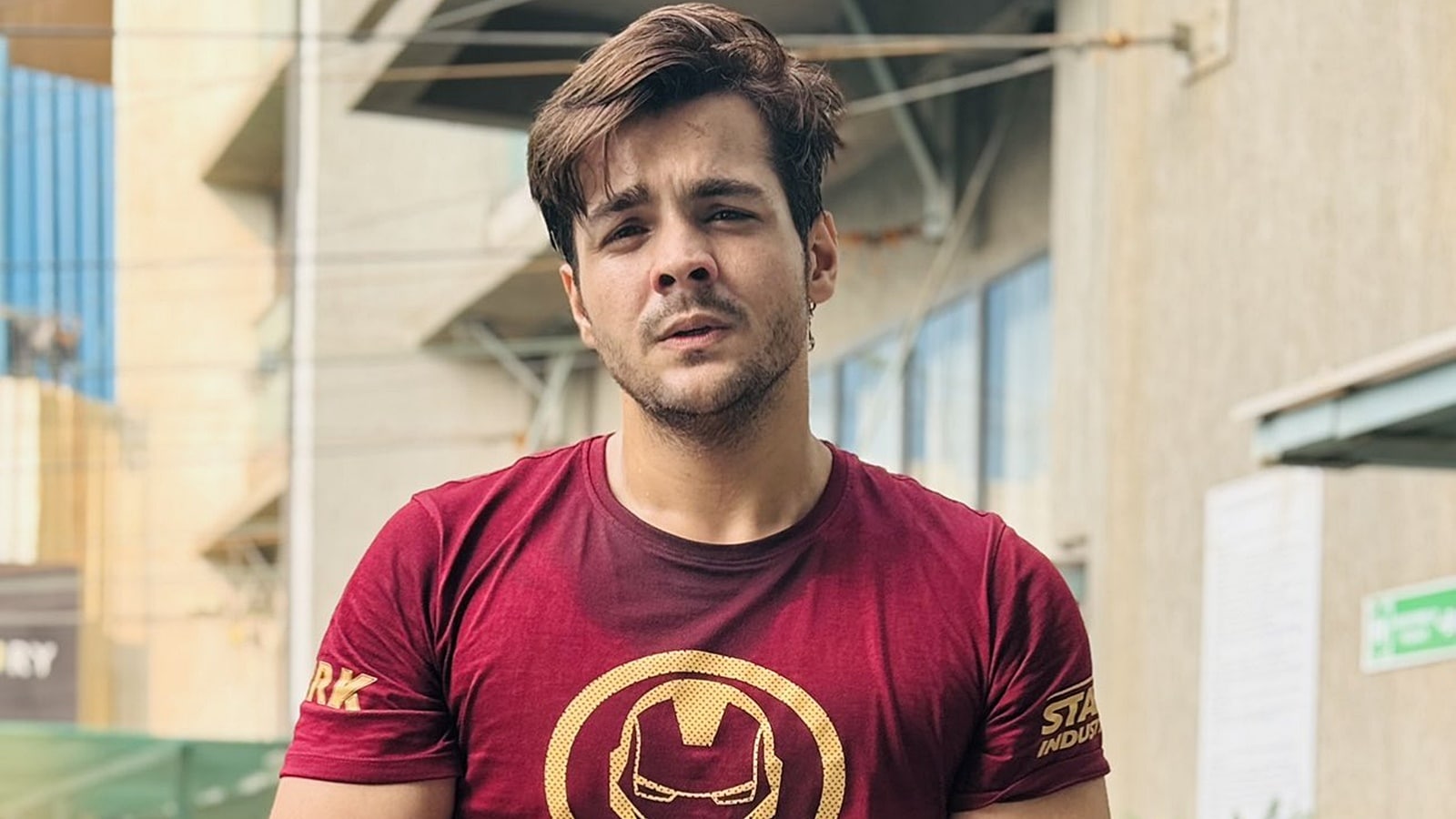
The Supreme Court of India recently took up a significant case involving YouTuber Ashish Chanchlani and his involvement in a controversial episode of the YouTube show, 'India's Got Latent.' Chanchlani, along with several other influencers, found themselves facing multiple FIRs (First Information Reports) across different states for allegedly making obscene remarks during the show. This action highlights the growing scrutiny faced by online content creators and the complexities of regulating speech on digital platforms. The case underscores the challenge of balancing freedom of expression with the need to protect societal values and prevent the dissemination of harmful or offensive content. The legal ramifications of this case could set precedents for future similar instances, potentially influencing how online content is created, moderated, and ultimately policed in India.
Chanchlani's plea to the Supreme Court centered around consolidating the various FIRs filed against him in different states, specifically Assam and Maharashtra. He argued for transferring these cases to a single court in Maharashtra, likely aiming for a more streamlined and efficient legal process. This strategy is frequently employed in such situations to avoid the complexities and potential inconsistencies that could arise from managing parallel investigations and prosecutions in multiple jurisdictions. The Supreme Court's response by issuing a notice to the relevant state authorities demonstrates the seriousness with which it is considering Chanchlani's petition. The Court's decision to also consider this case alongside a similar one involving fellow YouTuber Ranveer Allahbadia suggests the existence of a broader pattern of concern surrounding content regulation on YouTube and similar platforms.
The Supreme Court’s strong language during the hearing of Ranveer Allahbadia's case reveals a deeper concern about the nature of online content and its potential impact on society. Justice Kant's remarks about the “pervert mind” and the “perversion” exhibited by Allahbadia and his associates, accompanied by the court's condemnation of their language, clearly indicate a strong disapproval of the offensive content in question. This forceful condemnation serves as a warning to other content creators, underscoring the potential legal repercussions of producing and disseminating obscene or harmful material online. The court's intention to engage with the government regarding the broader issue of obscenity in social media content suggests a proactive approach to addressing the challenges posed by online platforms. This raises important questions about the effectiveness of current regulatory mechanisms, the need for more stringent content moderation practices, and the appropriate balance between freedom of expression and societal protection.
The case involving Chanchlani and Allahbadia also raises concerns about the impact of online content on vulnerable populations, particularly children and young adults. The alleged obscene remarks made during 'India's Got Latent' could have a significant negative influence on viewers, potentially normalizing or promoting harmful behaviors and attitudes. This case emphasizes the responsibility of content creators to be mindful of the potential consequences of their work and the need for effective mechanisms to monitor and address harmful content. The court's involvement highlights the importance of engaging with the complexities of online content creation and distribution and the need for proactive measures to protect viewers from harmful materials.
The Supreme Court's decision to issue notices and consolidate the FIRs filed against Chanchlani and Allahbadia is not merely a procedural matter; it reflects a broader engagement with the challenges of regulating online content in India. The case raises complex questions concerning freedom of expression, the role of online platforms in content moderation, and the responsibility of content creators in producing ethical and responsible material. The Court's approach to this issue is likely to have a significant impact on how online content is produced, consumed, and regulated in the country in the years to come. The outcome of this case will undoubtedly set a precedent, influencing future legal battles involving online content creators and their accountability for the material they disseminate. The government's involvement, as indicated by the court's invitation to the Attorney General and the Solicitor General, highlights the need for a coordinated approach to address this rapidly evolving challenge.