
 |
|
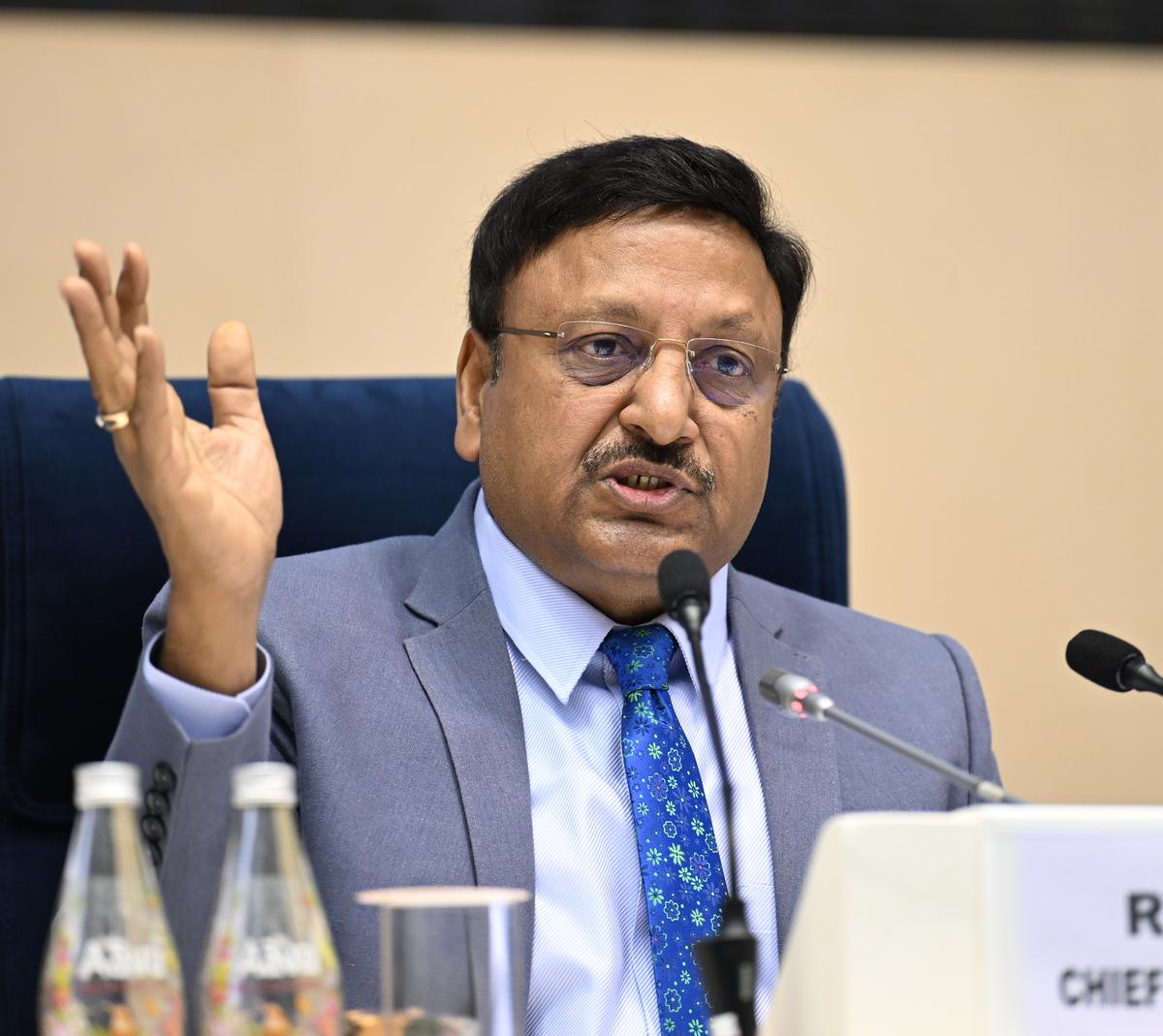
Rajiv Kumar's departure as Chief Election Commissioner (CEC) of India marks the end of an era in Indian electoral administration. His tenure, while undoubtedly marked by various challenges and controversies, also witnessed significant efforts towards strengthening the integrity and fairness of the electoral process. His final address, captured in the video linked to the article title, provides valuable insights into his perspective on the state of Indian democracy and the future of elections in the country. Kumar's emphasis on free and fair elections underscores the fundamental principle at the heart of a healthy democratic system. This commitment is particularly crucial in a diverse and populous nation like India, where the electoral process serves as the bedrock of representative government. The outgoing CEC's words likely served as a reminder to all stakeholders – political parties, election officials, and the electorate – of their shared responsibility in upholding this crucial principle. The challenges faced during his tenure, ranging from managing large-scale elections amidst complex logistical hurdles to navigating evolving technological landscapes and addressing concerns about misinformation and voter manipulation, highlight the multifaceted nature of electoral governance.
A key aspect of Kumar's tenure was his unwavering focus on electoral reforms. The need for continuous improvement and adaptation within the electoral system is undeniable. The ever-changing socio-political landscape, technological advancements, and evolving methods of political campaigning require a constant reassessment and refinement of electoral processes and regulations. His emphasis on technological solutions and data-driven insights speaks volumes about his strategic approach to modernizing the electoral machinery. His parting words, if interpreted in the context of his previous pronouncements and actions, might subtly highlight specific areas in need of reform. These might include strengthening regulations surrounding campaign finance, promoting greater transparency in political party funding, and leveraging technology to enhance the accessibility and security of the voting process. The need to improve voter education and awareness about electoral rights and responsibilities is another critical aspect of strengthening democratic institutions and processes, a task he may well have touched upon in his parting address.
The legacy of Rajiv Kumar's tenure will be shaped not only by his accomplishments but also by the challenges left unaddressed. The ongoing debate about electoral reforms, the need for further strengthening of regulatory mechanisms, and the persistent concerns about the impact of misinformation and social media manipulation on electoral integrity represent complex issues that require sustained attention. Analyzing his final address, one can try to understand his assessments of these ongoing challenges and perhaps glean his recommendations for future courses of action. His words may have offered an implicit critique of the existing system, prompting a call for a more robust and resilient electoral framework. His experience and insights, gained over years of service, represent a valuable resource for future CECs and policymakers striving to enhance the integrity and efficiency of the Indian electoral system. Ultimately, his legacy will be defined not just by his tenure's length but by the lasting impact of his contributions to the strengthening of Indian democracy.
The significance of his farewell message cannot be overstated. It served not only as a reflection on his time in office but also as a call to action for all those involved in the electoral process. His words might act as a catalyst for further discussions and debates surrounding electoral reforms and the crucial role of every citizen in ensuring free and fair elections. Understanding the context of his pronouncements, analyzing his emphasis on specific aspects of the electoral system, and considering the current political climate in India, provides a comprehensive understanding of the implications of his farewell speech. The continued focus on the topics he likely addressed – ethical conduct, transparency, and technological enhancements – will be crucial in the coming years to maintain the credibility and efficacy of the Indian electoral system. The legacy of a CEC is not just about the elections overseen, but about the lasting impact on the democratic processes and institutions.
In conclusion, Rajiv Kumar's parting words served as a potent reminder of the ongoing need for strengthening the pillars of Indian democracy, particularly its electoral system. His tenure highlights the multifaceted challenges of ensuring free and fair elections in a diverse and rapidly evolving society. The need for continuous reform and adaptation, as emphasized in his final address, is crucial for upholding the integrity of the Indian electoral process and maintaining the public's faith in the democratic system. The analysis of his address offers critical insights into the ongoing challenges and the path forward for strengthening Indian democracy. His legacy will be judged by the enduring impact of his contributions to the enhancement of electoral processes and the promotion of free and fair elections in India. The future will reveal whether his emphasis on electoral reforms gains traction, leading to meaningful changes and improvements in the system.
Source: Watch: Rajiv Kumar’s parting words as outgoing Chief Election Commissioner