
 |
|
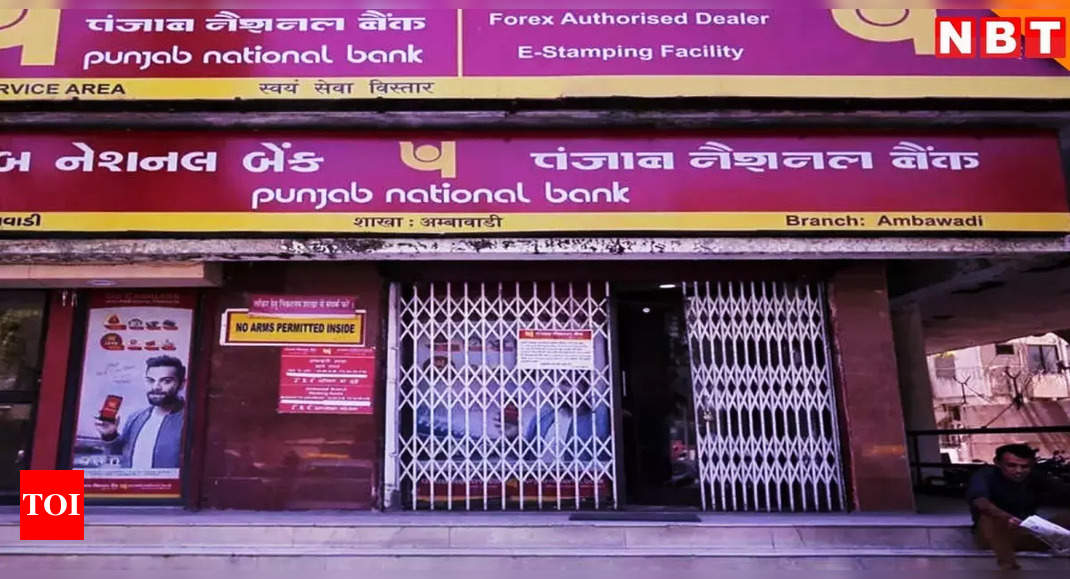
Punjab National Bank (PNB), a prominent state-owned bank in India, recently announced a significant reduction in its retail loan interest rates. This move, which followed a similar rate cut by the Reserve Bank of India (RBI), demonstrates the bank's responsiveness to the changing economic climate and its commitment to supporting borrowers. The 25 basis points (bps) reduction translates to a considerable saving for individuals seeking various types of loans. This strategic decision by PNB is expected to stimulate demand for loans and potentially boost economic activity within the country.
The impact of this rate cut extends across a wide spectrum of retail loan products. Home loans, a cornerstone of the Indian economy, are among the beneficiaries. Lower interest rates make homeownership more accessible for many, thereby contributing to increased housing demand and potentially supporting the real estate sector. Similarly, car loans, education loans, and personal loans will also see a reduction in their associated interest rates. This broad-based approach aims to reach a significant portion of the population, fostering economic growth and financial inclusivity. The move is strategically designed to alleviate the financial burden on borrowers, encouraging spending and investment across various sectors.
The timing of PNB's announcement is significant. It follows a similar rate cut by the RBI, indicating a coordinated effort to manage the monetary policy and stimulate economic activity. This synchronized approach reflects a collaborative effort between the central bank and commercial banks to ensure that the benefits of lower interest rates are felt throughout the financial system. The RBI's own rate cut suggests a proactive approach to addressing potential economic slowdowns and fostering growth. By aligning with the RBI's initiative, PNB is not only benefiting its customers but also actively contributing to the overall health of the Indian economy. The impact on the financial markets and overall consumer sentiment remains to be seen, however, early indicators suggest a positive response to this development.
The potential ramifications of PNB's rate cut extend beyond the immediate benefit to borrowers. It could also lead to increased competition among other banks, potentially driving further reductions in interest rates. This competitive landscape benefits consumers, who are likely to explore options and negotiate more favorable terms. Furthermore, the lowered interest rates could indirectly influence the overall spending behavior of consumers, potentially leading to an increase in consumer confidence and spending. This positive feedback loop could fuel economic growth and generate a ripple effect across various industries. However, it's also important to consider that such reductions could also impact the bank's profitability in the short term, although this is likely to be outweighed by the long-term benefits.
In conclusion, PNB's decision to slash retail loan rates represents a significant development in the Indian financial landscape. The reduction, coupled with the RBI's similar action, signals a proactive effort to stimulate economic growth and benefit consumers. The ripple effects of this decision are likely to be felt across various sectors, impacting both individual borrowers and the broader economy. The long-term consequences remain to be seen, but the immediate impact is a positive one, offering relief to numerous borrowers and potentially encouraging further economic activity. Monitoring the market's response and the sustained impact of this decision will be crucial in fully understanding its implications for the Indian economy.