
 |
|
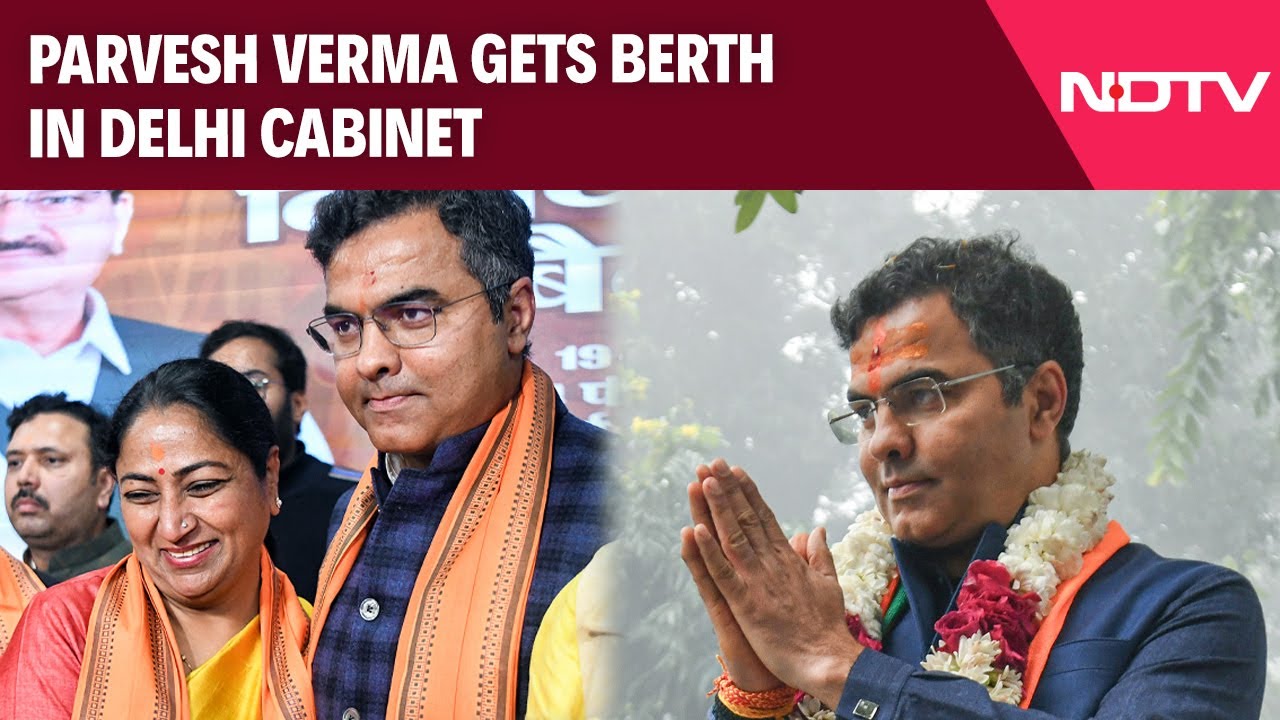
The recent Delhi elections witnessed a significant upset, with Parvesh Verma, son of former Delhi Chief Minister Sahib Singh Verma, defeating incumbent Arvind Kejriwal in the New Delhi constituency. This victory marked a remarkable turnaround for the BJP, securing their return to power in the national capital after a 27-year absence. Verma's win, by a margin of 4,089 votes, was widely celebrated within the BJP, signifying a shift in the political landscape of Delhi. His subsequent appointment as a minister in the Rekha Gupta government further solidifies the BJP's position and underscores Verma's rising political influence.
Verma's ascension to the Delhi cabinet is a testament to his political maneuvering and strategic campaigning. His victory over Kejriwal, a formidable figure in Delhi politics, highlights his ability to connect with voters and effectively counter the Aam Aadmi Party's (AAP) strong grassroots support. Analysts point to several factors contributing to Verma's success, including a targeted campaign focused on local issues, effective mobilization of BJP's organizational strength, and a well-defined message resonating with the electorate. The election results themselves are subject to detailed analysis, scrutinizing voter demographics, campaign strategies employed by both candidates, and the impact of broader socio-political contexts.
The significance of Verma's appointment extends beyond his personal triumph. It symbolizes the BJP's resurgence in Delhi and its commitment to consolidating its power base. His inclusion in the cabinet represents a strategic move by the party leadership, leveraging his electoral success to bolster the government's image and demonstrate its responsiveness to the electorate's mandate. This appointment might also signify a renewed focus on certain policy areas within the Delhi government, potentially reflecting Verma's campaign promises and priorities. His experience and political lineage could shape future governance strategies and policy decisions, influencing the course of Delhi's development and impacting the lives of its citizens.
Furthermore, Verma's public acknowledgment of Prime Minister Narendra Modi's role in the BJP's victory underscores the party's hierarchical structure and the central role played by the national leadership in electoral successes at the state level. This statement also highlights the close alignment between the Delhi BJP government and the national BJP, reinforcing the party's unified approach to governance. Verma's victory and subsequent appointment, therefore, are not isolated events but are deeply intertwined with broader national political dynamics and the strategic positioning of the BJP within the Indian political spectrum.
Looking ahead, Parvesh Verma's tenure as a minister will be closely watched, both within the BJP and by the opposition. His performance in office will significantly contribute to the overall perception of the Delhi government and the BJP’s ability to govern effectively. The challenges he faces will include navigating complex administrative processes, managing diverse stakeholder interests, and delivering on his election promises. His success in addressing these challenges will play a crucial role in shaping his political future and the overall trajectory of the BJP’s dominance in Delhi. The political climate in Delhi is likely to remain dynamic, with ongoing interplay between the ruling BJP and opposition AAP. Verma's actions and policies will undoubtedly face scrutiny and challenge from both within and outside the government.
The broader implications of Verma's political rise, however, extend beyond the immediate political landscape of Delhi. His story reflects the fluidity of Indian politics, the dynamism of electoral outcomes, and the ever-shifting alliances and power dynamics at play. His journey from a challenger to a cabinet minister highlights the importance of strategic political maneuvering, the ability to adapt to changing circumstances, and the significance of strong organizational support in achieving political ambitions. The case of Parvesh Verma serves as a valuable case study for political scientists, strategists, and commentators interested in understanding the complexities of Indian politics.
Source: Parvesh Verma News | Parvesh Verma Gets Berth In Delhi Cabinet