
 |
|
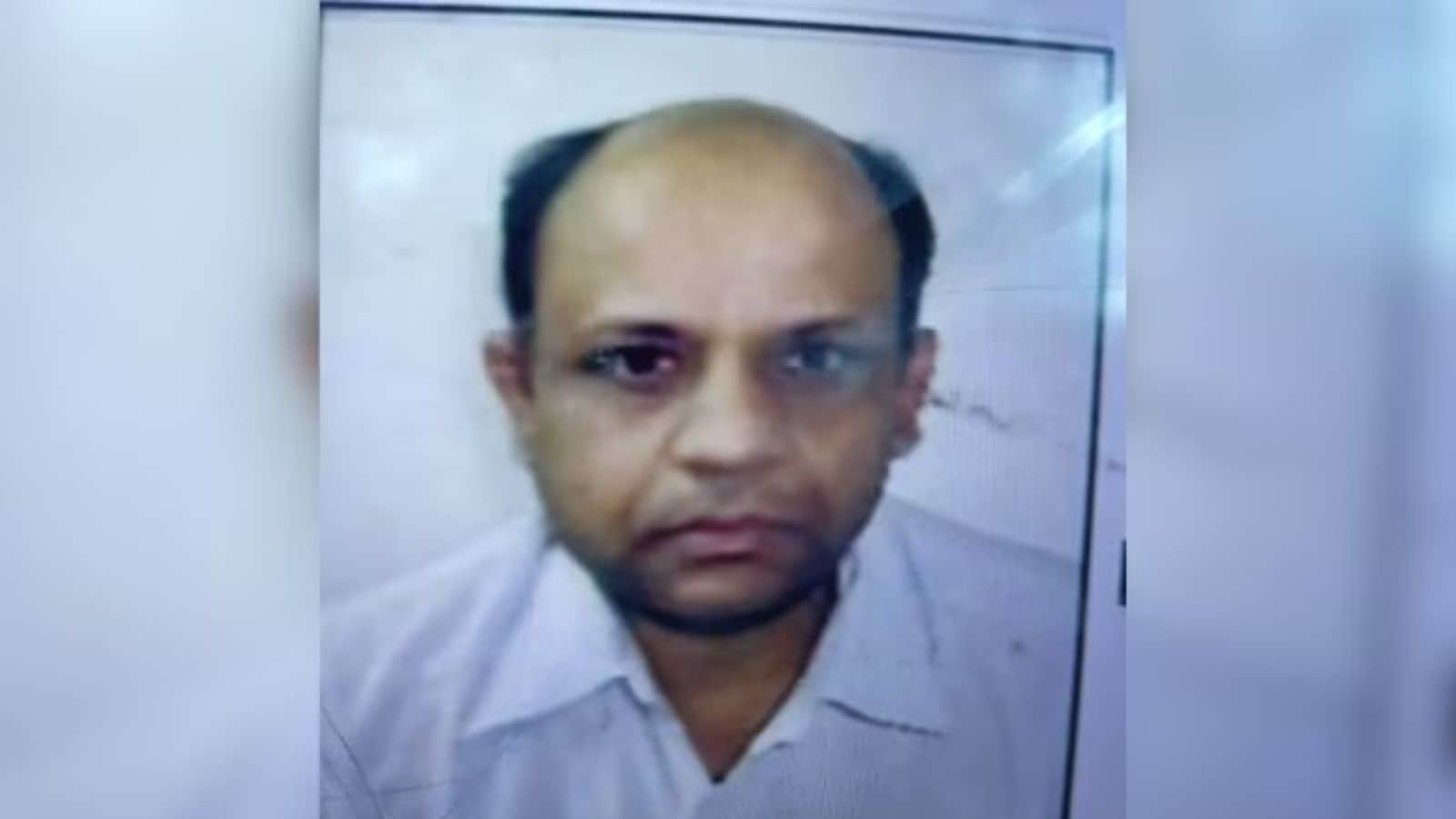
The Economic Offences Wing (EOW) of the Mumbai Police is intensifying its investigation into the alleged embezzlement of Rs 122 crore from the New India Cooperative Bank. Hitesh Mehta, the former general manager and prime suspect, is at the center of the investigation. His inconsistent statements during questioning have led the EOW to consider a lie detector test as a means of uncovering the truth. The inconsistencies primarily revolve around the amounts of money Mehta claims to have given to other accused individuals involved in the alleged scheme. The discrepancies between Mehta's statements and those of other suspects, such as Dharamesh Paun, a developer, suggest a deliberate attempt to mislead investigators. The EOW believes that these inconsistencies strongly indicate perjury and intentional deception.
The planned lie detector test is a crucial step in the ongoing investigation. However, the EOW must first obtain court permission, a procedure that involves seeking Mehta's consent. Indian law requires the consent of the individual being subjected to a polygraph examination, underscoring the importance of procedural fairness. This legal requirement reflects a broader commitment to protecting an individual's rights even amidst criminal investigations. The process will inevitably involve a court hearing, where Mehta's legal representation will have the opportunity to challenge the application for the test.
The case revolves around the alleged misappropriation of funds by Mehta during his tenure as general manager. Initial claims suggested that Mehta had transferred Rs 70 crore to Paun, ostensibly for investment in a slum redevelopment project in Charkop. However, Paun has denied receiving such a significant sum. These contradictory statements highlight the complexity of the case and the challenges faced by investigators in piecing together a coherent narrative of events. The investigation extends beyond Mehta and Paun, encompassing other individuals, including Unnanathan Arunachalam, a solar panel businessman listed as a wanted accused. This highlights a broader network potentially involved in the alleged embezzlement.
Another significant aspect of the investigation involves the role of auditors. The EOW is examining why the gross financial irregularities at the bank went undetected for five years during annual audits. This line of inquiry raises concerns about potential complicity or negligence on the part of the auditors, which will be thoroughly investigated. Interviews with bank staff and a review of internal financial records will help shed light on the failures of internal controls that allowed the alleged embezzlement to occur. The fact that the discrepancies weren't detected earlier points to serious systemic issues within the bank's financial management practices and oversight procedures.
The investigation also explores the circumstances under which Mehta allegedly disbursed the bank's depositors' funds. Police sources suggest that he provided unsecured loans to small businesses during the COVID-19 pandemic, capitalizing on the financial distress of these businesses. This raises questions about the ethical and legal implications of such actions, given Mehta's position within the bank and his fiduciary responsibility to its depositors. The motivations behind Mehta's actions, whether driven by personal gain, altruism gone awry, or a combination of both, remain central to the investigation. The investigation will need to determine whether Mehta acted solely for his own benefit or if there were other individuals or entities that conspired with him to execute this elaborate scheme.
Mehta's background provides further context to the investigation. A commerce graduate with a long tenure at the bank since 1987, he rose to the position of general manager and head accountant in 2002. His impending retirement in October of this year raises questions about timing and whether the alleged embezzlement was related to his approaching departure from the bank. This temporal aspect of the case adds another layer to the investigation, requiring investigators to examine the timeline of events carefully. The fact that he was close to retirement might have presented an opportunity for him to execute the scheme unnoticed.
The preliminary investigation has revealed that Mehta allegedly embezzled Rs 112 crore from the Prabhadevi branch and Rs 10 crore from the Goregaon branch, totaling the alleged Rs 122 crore. The discovery of these funds being misappropriated from multiple locations emphasizes the widespread nature of the alleged fraud. The investigation will aim to trace the flow of these funds, establishing the precise amounts moved, the recipients, and the manner in which the transfers were made. This is a crucial part of building a strong case against Mehta and any other individuals implicated in the embezzlement scheme. The investigation is likely to extend beyond the immediate suspects and involve a broader analysis of bank operations, internal controls, and oversight mechanisms.
Mehta and Paun remain in police custody until February 21. The investigation is ongoing and further arrests are possible as the EOW continues its efforts to uncover all aspects of the alleged crime and bring those responsible to justice. The outcome of the lie detector test, should the court grant permission, could significantly impact the direction and outcome of the investigation. The EOW's diligent work to unravel this complex case will have far-reaching implications, not only for the affected depositors of the bank, but also for the financial stability and trust within the cooperative banking sector in India. The investigation's focus on the auditors also sends a crucial message about the critical importance of effective financial oversight and the need for stricter accountability measures within all financial institutions.