
 |
|
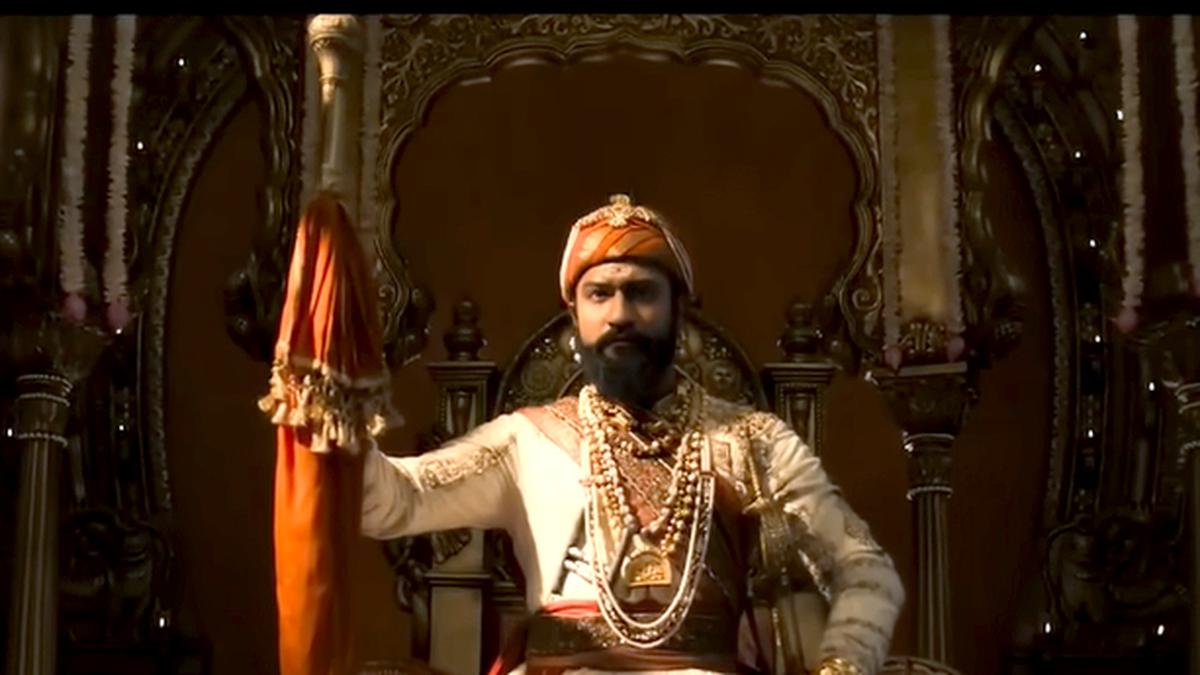
Priyanka Chaturvedi, a Member of Parliament from the Shiv Sena (UBT), has initiated a significant political move by advocating for the widespread promotion and recognition of the recently released Marathi film, 'Chhaava'. This film, a biographical portrayal of Chhatrapati Sambhaji Maharaj, a prominent Maratha warrior king, has garnered considerable attention and box office success, grossing ₹200 crore within its first week of release. Chaturvedi's campaign isn't merely about celebrating the film's financial achievement, but rather using it as a vehicle to highlight a historical figure she believes has been historically underrepresented and to engage the political establishment in a discussion about historical narratives and their representation in popular culture. Her dual approach – seeking tax-free status for the film and demanding screenings for all legislators – speaks volumes about her strategic approach to achieving her objectives.
The core of Chaturvedi's campaign lies in her belief that 'Chhaava' offers a crucial opportunity to re-evaluate and retell the story of Chhatrapati Sambhaji Maharaj. She argues that the film corrects perceived historical injustices and provides a more accurate and nuanced portrayal of the king's life and contributions. This argument is further strengthened by Maharashtra Chief Minister Devendra Fadnavis's recent statement, acknowledging that history may have unfairly portrayed Chhatrapati Sambhaji Maharaj. This implicit endorsement from a figure within the ruling party lends credibility to Chaturvedi's plea and suggests a broader consensus within the political landscape on the importance of reassessing historical narratives. The move to ensure screenings for all legislators demonstrates a strategic effort to engage directly with the political elite, fostering dialogue and awareness surrounding the film's historical context.
The demand for tax-free status is a significant part of Chaturvedi's strategy, as it directly addresses the film's accessibility. By removing the tax burden, the film becomes more affordable for a wider audience, allowing more people to engage with the historical narrative presented. This aligns with Chaturvedi's larger goal of fostering a more inclusive understanding of Chhatrapati Sambhaji Maharaj's life and legacy across various socio-economic demographics. This aspect highlights not just the political strategy, but also a deeper social objective woven into her campaign. The combination of both political engagement and wider public access underscores a multifaceted approach to ensuring the film's message reaches a broad spectrum of society.
The success of 'Chhaava' at the box office, exceeding ₹200 crore in just a week, significantly strengthens Chaturvedi's argument. This commercial success demonstrates a public appetite for this historical narrative, validating her campaign’s objective and highlighting the potential for broader social and political impact. This financial success transcends simple entertainment; it suggests a collective interest in revisiting and re-evaluating a significant period in Indian history. The rapid financial success also indicates a potential for even greater reach if the film is made more accessible through the proposed tax exemption.
Chaturvedi's actions are not simply a reaction to a successful film; they represent a broader political and cultural strategy. It's a subtle but effective attempt to shape public discourse and potentially influence future portrayals of historical figures. By aligning herself with a popular and commercially successful film, Chaturvedi demonstrates an acute understanding of the power of popular culture in influencing public perception and fostering political engagement. The campaign exemplifies a sophisticated blend of political maneuvering, cultural awareness, and a keen eye for the potential of popular media to affect the national narrative.
Source: Screen Chhaava movie for all legislators in India, make it tax-free, demands Sena (UBT) MP