
 |
|
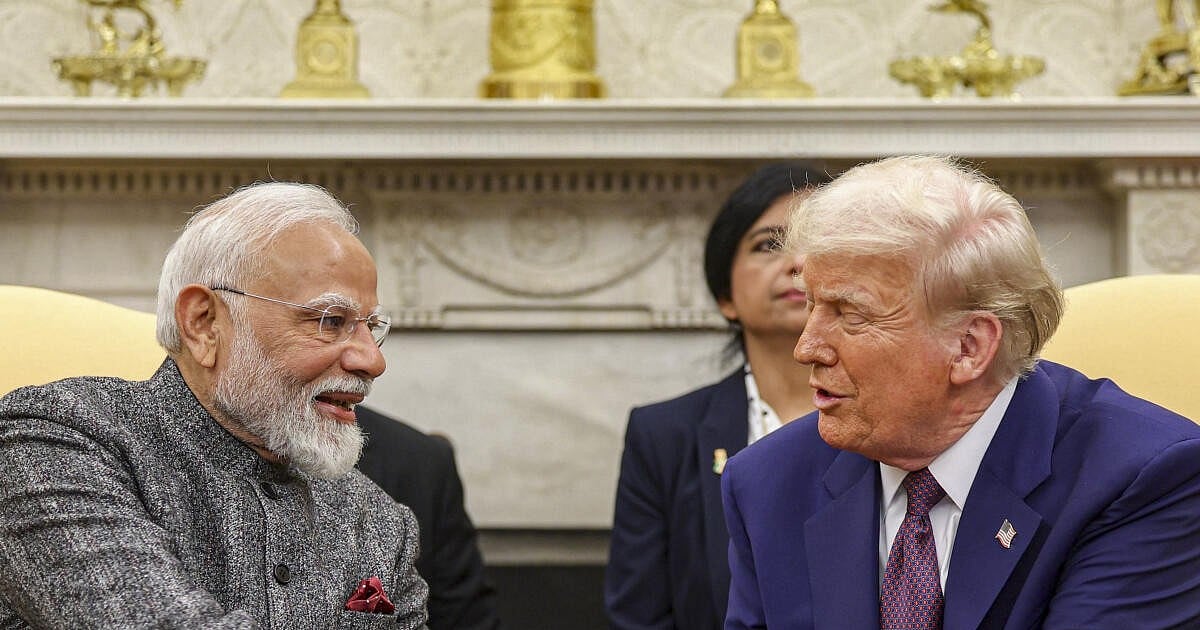
The meeting between Indian Prime Minister Narendra Modi and former US President Donald Trump at the White House on Thursday (Friday India time) marked a significant moment in bilateral relations. While details remain scarce due to the brevity of the initial news report, the focus on the situation in Bangladesh suggests a conversation of considerable geopolitical import. The inclusion of 'bilateral, regional and global issues' in the initial report indicates a broad-ranging discussion extending beyond the immediate concerns regarding Bangladesh. This necessitates a deeper exploration of the potential topics covered, the underlying geopolitical context, and the implications of the discussion for both nations and the broader international community.
Bangladesh, a nation bordering India, has faced numerous internal challenges in recent years, including political instability, economic disparities, and social tensions. The discussion between Modi and Trump likely touched upon these multifaceted issues, considering their potential impact on regional stability and international relations. The specific aspects of the Bangladeshi situation discussed could have ranged from human rights concerns to economic cooperation, and potentially even security considerations given the geographical proximity and shared interests of India and the United States in maintaining regional peace and order. Analyzing the potential motivations of both leaders is crucial to fully understanding the significance of this meeting.
From India's perspective, the conversation provided an opportunity to engage with the United States on a critical neighbor. Given India's strategic interests in South Asia, a stable and prosperous Bangladesh is paramount. India likely sought US support in addressing any concerns regarding instability or cross-border issues. For the United States, the discussion served as a means to reaffirm its commitment to the Indo-Pacific region and to engage with a key partner in navigating the complexities of South Asian politics. The US's interest likely included promoting democratic values, ensuring regional stability, and potentially leveraging India's influence to address shared concerns in the region. The shared interests, however, might also be accompanied by competing geopolitical considerations that shape the strategic dynamics of their interactions.
Understanding the broader context requires examining the existing relationship between India and the United States, which has strengthened considerably in recent decades. This strategic partnership is built on shared democratic values, economic interests, and a mutual concern about regional security, especially in the context of a rising China. The meeting served to reiterate this partnership and to coordinate approaches on matters of mutual concern. However, analyzing the nuance of the discussion also necessitates understanding the potential points of divergence or differing strategic priorities between the two nations. Despite their strong ties, differences in approach to specific regional issues or global challenges could have been discussed, adding layers of complexity to the overall conversation.
The limited information available prevents a definitive conclusion about the specific outcomes or agreements reached during the meeting. However, the very fact that the situation in Bangladesh was discussed indicates a shared awareness of its significance. Future developments and statements from either government will provide further insight into the specific details of the conversation and its implications. This meeting, though briefly reported, underlines the ongoing importance of bilateral discussions between India and the United States and the shared interest in fostering regional stability in South Asia. The focus on Bangladesh underscores the complex geopolitical considerations involved in maintaining peace and promoting prosperity in the region.
Source: PM Modi, President Trump discuss situation in Bangladesh