
 |
|
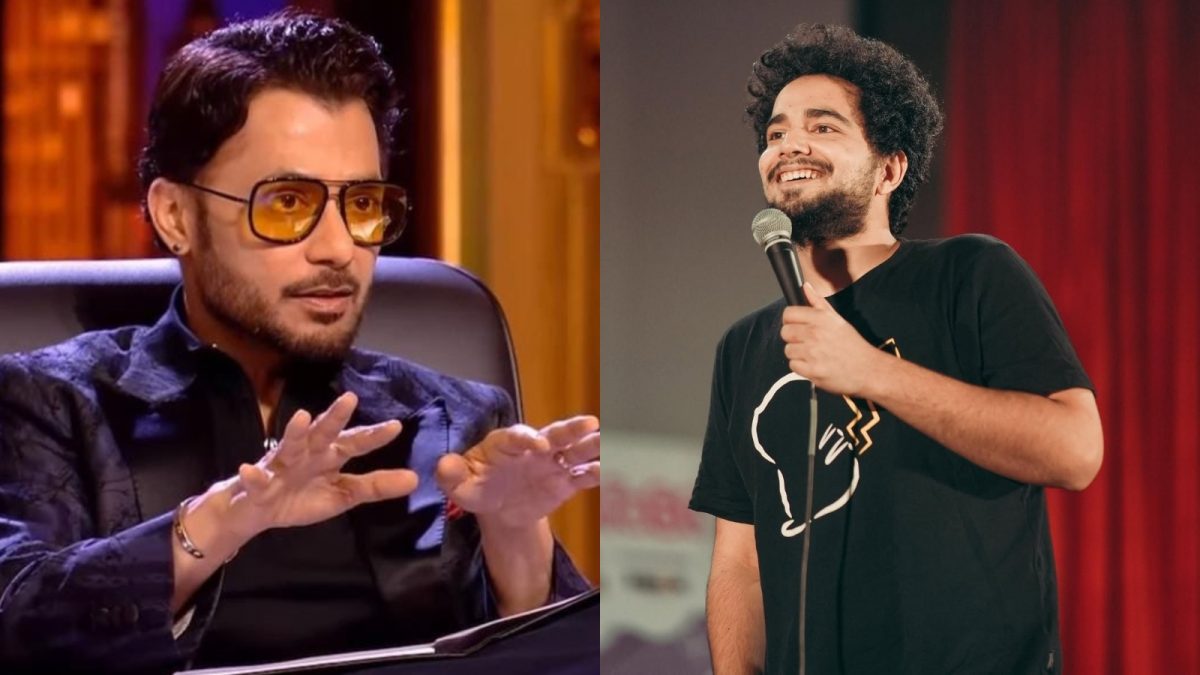
The recent controversy surrounding Samay Raina's show, 'India's Got Latent,' and Ranveer Allahbadia's inappropriate comments has sparked a debate about accountability in the digital age. Anupam Mittal, a prominent judge on the Indian reality show 'Shark Tank India,' has weighed in on the situation, arguing that the focus should shift from individual blame to the larger role played by big tech companies like YouTube. Mittal's perspective is nuanced, recognizing the offensive nature of Allahbadia's comments while simultaneously pointing to a systemic issue of irresponsibility on the part of social media platforms. He contends that these platforms incentivize creators to push boundaries for virality, ultimately leaving them vulnerable when the content crosses ethical lines.
Mittal's LinkedIn post directly addresses the High Court's summons issued to Allahbadia and Raina. He criticizes the court's focus on the individuals, suggesting that YouTube, as the platform that enabled the dissemination of the controversial content, should also be held accountable. This highlights a key argument in the debate – should content creators bear the sole burden of responsibility, or should the platforms facilitating their content share the blame? Mittal's stance suggests that the platforms, shielded by digital intermediary laws, are escaping their responsibility in regulating content and preventing the spread of harmful material. His analogy to traditional media, such as newspapers and television channels, illustrates his point: traditional media outlets face far greater scrutiny and accountability for the content they publish than their digital counterparts.
The nature of 'India's Got Latent' itself is integral to Mittal's analysis. He describes the show as inherently focused on 'insults, vulgarity, irreverence, and shock,' implying that the controversial incident was perhaps predictable given the show's format. This does not excuse Allahbadia's actions, but it contextualizes them within a system that arguably encourages such behaviour. The algorithmic reward system of social media platforms, where shocking content often garners the most attention, is a significant factor contributing to this cycle. Mittal's use of the phrase 'algorithmic jackpot' encapsulates this concept, portraying the pursuit of virality as a game with potentially damaging consequences. This aspect underlines the need for stricter regulation of social media, not only to protect viewers from harmful content but also to prevent creators from being trapped in a system that incentivizes irresponsible behavior.
The controversy surrounding 'India's Got Latent' underscores a broader issue regarding online content moderation and platform accountability. Mittal's perspective, while seemingly defending the individuals involved, ultimately calls for a systemic shift in how social media platforms operate. He advocates for greater responsibility and accountability from these platforms, arguing that they cannot simply act as passive distributors of content, but must play an active role in moderating and regulating it. His call for YouTube to be summoned to the High Court demonstrates his belief that the platform has a significant role in the events that transpired and that holding only the creators accountable is insufficient. The incident serves as a case study in the complexities of navigating the intersection of free speech, content moderation, and platform responsibility in the digital sphere.
Furthermore, the discussion extends beyond legal ramifications. The ethical implications of creating and consuming such content are also pertinent. The question of whether viewers should be ‘scandalized’ by content that was, in essence, designed to be provocative and shocking, opens a dialogue about audience responsibility and the normalization of potentially offensive material. While freedom of expression is a cornerstone of democratic societies, the line between acceptable and unacceptable content, particularly in the context of reality television and social media, requires constant re-evaluation. The ongoing debate surrounding 'India's Got Latent' highlights this necessity, highlighting the need for thoughtful discussions surrounding the ethical responsibilities of both creators and platforms.
In conclusion, Anupam Mittal's perspective on the 'India's Got Latent' controversy shifts the focus from individual culpability to the systemic issues surrounding social media platforms and their role in enabling and even encouraging potentially harmful content. His call for increased accountability from YouTube and other similar platforms represents a growing demand for better regulation and content moderation in the digital space. The incident not only raises legal questions about responsibility but also compels a broader conversation about the ethical implications of online content creation and consumption. The long-term consequences of this controversy will likely shape future discussions about the interplay between free speech, platform responsibility, and the pursuit of virality in the digital age.
Source: Shark Tank India's Anupam Mittal Calls Samay Raina 'Victim', Claims The 'Real Victims' Are...