
 |
|
The recent white-ball series between England and India concluded with a decisive 3-0 victory for the hosts in the One Day Internationals (ODIs), following a 4-1 defeat for England in the preceding Twenty20 Internationals (T20Is). This resounding loss has sparked considerable debate and analysis, with various aspects of England's performance coming under scrutiny. One particularly contentious point has been the alleged lack of adequate training undertaken by the English team. Former Indian cricketer Ravi Shastri publicly asserted that, with the exception of Joe Root, the majority of the English squad had not participated in net sessions during the ODI series. This claim has been vehemently denied by both England captain Jos Buttler and head coach Brendon McCullum.
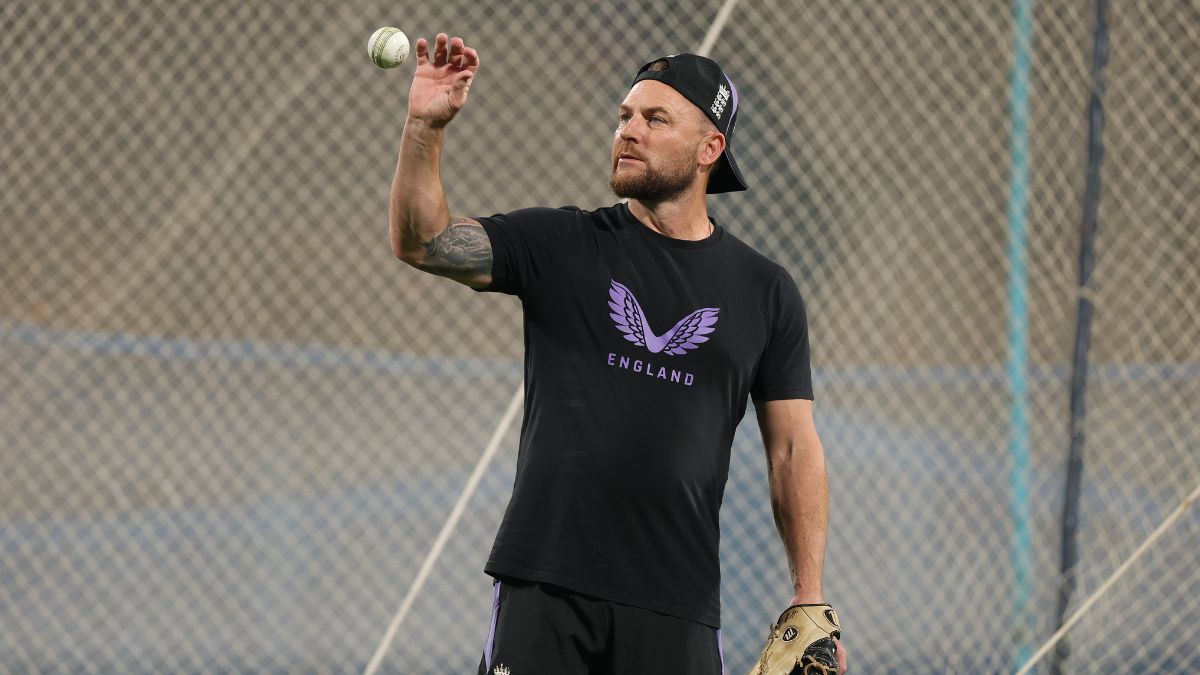
McCullum, in an interview with talkSPORT, forcefully refuted the assertions regarding the team's training regime. He emphasized that the suggestion of insufficient training was factually inaccurate and a simplistic explanation for the team's poor performance. He highlighted that the team had engaged in extensive training sessions throughout the series, acknowledging the players' high workloads stemming from recent and extensive cricketing engagements. He emphasized that it was an easy yet misleading scapegoat to blame inadequate training for poor results. The head coach underscored that the team follows a specific training strategy and methodology that they firmly believe in, regardless of the criticism. He also explained that the team has had several players battling injury, making it crucial to maintain the balance between training and recovery, ensuring an adequate number of players are fit for matches and the challenging campaign ahead.
The pressure on England's performance is significant, given their upcoming participation in the Champions Trophy 2025. McCullum's statement indicates a commitment to their existing training philosophy, emphasizing their intention to learn from the losses against India and refine their approach rather than drastically alter their training methods. This suggests that England’s coaching staff will leverage the lessons learned during the Indian series as a learning opportunity. This period will involve analyzing strengths and weaknesses identified in team performance, player individual performances and adapting their strategies and preparations accordingly, for what will be a crucial upcoming tournament. This proactive response indicates confidence in their long-term strategy despite the immediate setback.
England's upcoming schedule involves a brief stint in the UAE before traveling to Lahore, Pakistan, to commence their Champions Trophy campaign. Their opening match is against Australia on February 22nd, 2025. The pressure to perform well is immense, and the team's approach to training and preparation during this crucial period will heavily influence their chances of success in the tournament. The series against India served as a stern test, highlighting areas requiring improvement. The upcoming matches will be a true test of their resilience, adaptability, and ability to incorporate lessons learned. The upcoming tournament provides the perfect opportunity to showcase improvements in their performance, and justify their commitment to their established training style.
The controversy surrounding England's training practices underlines the intense scrutiny faced by high-profile sports teams. While performance directly impacts public perception, it's also crucial to understand the complexities involved in high-level sports training. Factors such as player workload, injury management, and adherence to specific training philosophies must be considered. Critiques based on limited information, like Shastri’s comments about England's net sessions, risk oversimplifying complex issues and undermine the strategic plans that sports teams and their coaches have in place. McCullum’s response effectively defends the team’s methods, and serves as a reminder of the importance of considering the larger picture when assessing sports team performance.
Source: Brendon McCullum rejects England's inadequate training claim following ODI series loss