
 |
|
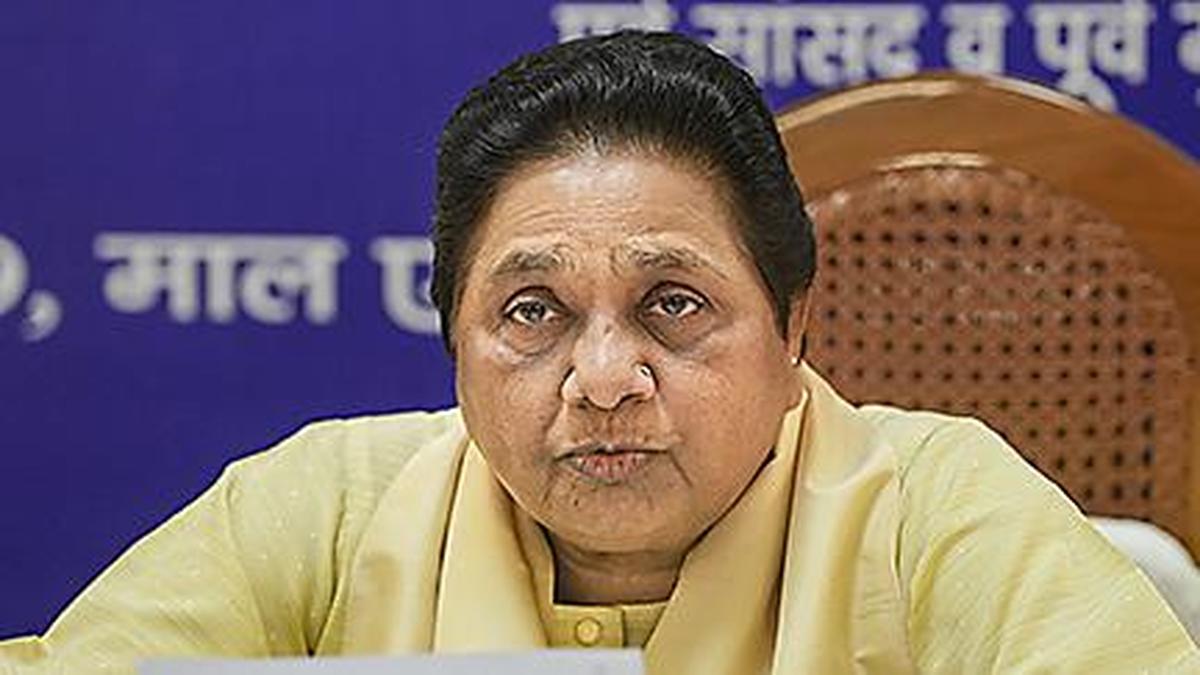
The recent allegations of foreign interference in Indian elections have ignited a firestorm of political debate, with prominent figures voicing their concerns. Bahujan Samaj Party (BSP) chief Mayawati's statement accusing the United States of attempting to influence the electoral process through a $21 million allocation for voter turnout initiatives has brought this issue to the forefront. This substantial sum, purportedly channeled through the U.S. Department of Government Efficiency (DOGE), under the leadership of Elon Musk, has raised serious questions about the nature and intent of this funding. While the DOGE claims the money was intended to increase voter participation, Mayawati's apprehension highlights a deeper concern regarding potential manipulation of the electoral landscape and the undermining of the integrity of the democratic process. The lack of transparency surrounding the disbursement of these funds further fuels suspicions of covert influence, prompting calls for a thorough investigation into the matter.
Mayawati's concerns are not simply based on the sheer magnitude of the financial contribution, but also on the broader context of the Indian political scene. She points to the perceived dominance of the Bharatiya Janata Party (BJP) and the Aam Aadmi Party (AAP), suggesting that these parties benefit disproportionately from the existing political framework. This claim raises crucial questions about the fairness and equity of the electoral playing field and hints at a possible imbalance of power that could be exacerbated by external interference. The BSP's dismal performance in the recent Delhi elections, where the party failed to secure a single seat, is cited by Mayawati as evidence of this skewed political landscape. The assertion that these parties enjoy 'government protection' implies a level of systemic advantage that puts smaller parties like the BSP at a significant disadvantage, thus potentially magnifying any influence from foreign funding.
The BSP's statement underscores the complexities of navigating a democratic system where accusations of external influence intertwine with existing power dynamics. The party's relatively poor performance in the Delhi elections, contrasted with its historical successes in Uttar Pradesh, points to a need for deeper analysis of the factors contributing to electoral outcomes. Mayawati's emphasis on the BSP's Ambedkarite ideology and its commitment to the welfare of the Bahujan community highlights the party's unique identity and the challenges it faces in a politically competitive environment. The allegations of deliberate attempts to undermine the BSP through political manipulation, financial coercion, and misinformation campaigns suggest the existence of systematic efforts to marginalize the party and limit its influence. The situation calls for a thorough and unbiased examination of the alleged foreign funding, as well as a broader investigation into the claims of unequal access to resources and opportunities within the Indian political system.
Beyond the immediate concerns raised by Mayawati, the broader issue of foreign influence in elections needs to be addressed comprehensively. Transparency and accountability in political funding are essential for maintaining the integrity of the democratic process. Independent investigations, conducted with the participation of both domestic and international bodies, could be crucial in uncovering the truth behind the allegations and ensuring that future elections are free from undue external influence. Furthermore, examining the role of social media and other digital platforms in disseminating information and shaping public opinion is essential, as these tools can be leveraged to manipulate electoral outcomes. Strengthening electoral laws and regulatory frameworks to address the evolving challenges posed by foreign interference and the misuse of technology is vital for protecting the sovereignty and integrity of the Indian democratic system. Addressing the power imbalances within the Indian political landscape is also critical to ensure a truly level playing field for all participating parties.
The situation highlights the urgent need for a national conversation about the safeguards necessary to ensure fair and transparent elections in India. This conversation must encompass not only the scrutiny of foreign funding but also the broader systemic issues that create an uneven playing field for political parties. It's crucial to consider measures that promote inclusivity, equity, and accountability in the electoral process. Empowering smaller parties and ensuring their access to resources and media coverage is paramount to fostering a healthy and vibrant democracy. Finally, fostering a culture of political transparency and ethical conduct among all stakeholders is essential for strengthening India's democratic institutions and maintaining public trust in the integrity of the electoral system. The allegations of foreign interference, combined with concerns about existing power dynamics, necessitate a thorough and impartial investigation to ensure the fairness and integrity of future Indian elections.
Source: BSP chief Mayawati raises concerns over 'foreign influence' in Indian elections