
 |
|
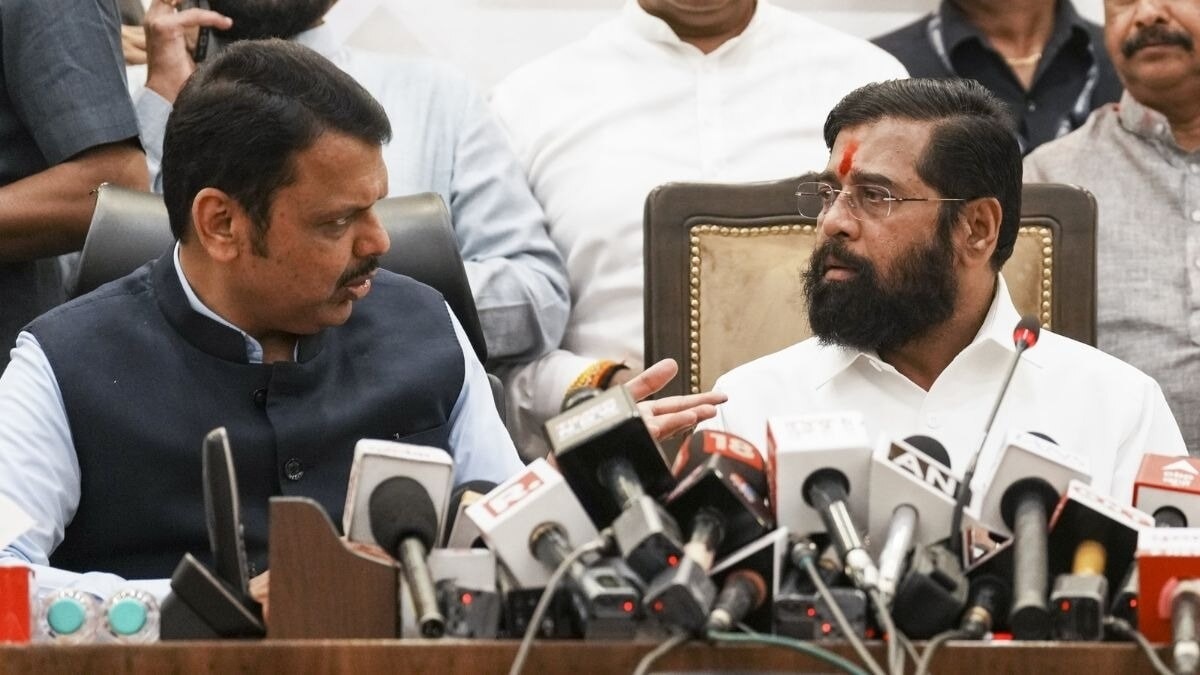
The ruling Mahayuti coalition in Maharashtra is experiencing significant internal tensions, primarily between Chief Minister Devendra Fadnavis and Deputy Chief Minister Eknath Shinde. These tensions, despite public denials from both leaders, are manifesting in various ways, suggesting a deeper power struggle within the alliance. The conflict emerges just three months after a landslide victory in the state assembly elections, where the BJP-led Mahayuti secured a commanding majority. This seemingly strong position, however, masks simmering discontent within Shinde's Shiv Sena faction.
One of the most visible signs of this rift is the establishment of parallel administrative structures. Shinde has set up independent 'war rooms' for monitoring government projects, mirroring a similar unit already in place under Fadnavis. Furthermore, Shinde's creation of a separate medical aid cell, operating independently from the CM’s Relief Fund, highlights the duplication and potential for conflicting priorities within the state administration. These parallel structures underscore a deliberate attempt by Shinde to maintain a separate sphere of influence and project his own authority, potentially challenging Fadnavis's leadership.
The issue of guardian minister appointments further exacerbated the tensions. The Shiv Sena's dissatisfaction with the appointments of Aditi Tatkare and Girish Mahajan to key posts in Raigad and Nashik, respectively, led to a temporary suspension of these appointments. While temporarily resolved, the underlying issue of power-sharing and influence remains unresolved, highlighting the lack of consensus within the coalition on crucial governance decisions. Shinde's absence from critical meetings convened by Fadnavis, including discussions on the Nashik Regional Development Authority (NRDA) and preparations for the 2027 Kumbh Mela, further underscores the growing divide. His subsequent independent review of the industries department, which falls under the purview of a Shiv Sena minister, strongly suggests an attempt to bypass established protocols and assert his authority.
The security downgrades affecting 20 Shiv Sena MLAs, who had previously enjoyed ‘Y’ category security, added fuel to the fire. This move sparked fresh concerns within Shinde's camp, potentially interpreted as a sign of diminishing political support and a deliberate weakening of his power base within the government. Political analysts and commentators have offered various interpretations of the unfolding conflict. Prakash Akolkar, a veteran journalist, described the situation as a 'cold war,' suggesting that Shinde's perceived diminished role after the election victory, combined with potential support from Fadnavis's rivals within the BJP, fuels this ongoing conflict. He further suggests that the central BJP leadership might be subtly supporting Shinde as a way to counterbalance Fadnavis's influence.
Ratnakar Mahajan, Maharashtra Congress vice-president, echoed similar sentiments, emphasizing the inherent tensions in power-sharing within a coalition government, particularly considering the BJP's significantly increased strength after the elections. Both Fadnavis and Shinde, however, have consistently denied the existence of any conflict. Shinde vehemently refuted claims of a 'cold war,' asserting that their focus remains on development, not power struggles. Fadnavis downplayed the significance of the parallel structures, claiming that similar initiatives were undertaken during his previous tenure as deputy chief minister. Despite these public pronouncements, the actions of both leaders paint a different picture. The creation of parallel structures, the skipping of key meetings, and the unresolved issues surrounding appointments demonstrate a clear lack of coordination and a significant power struggle within the Mahayuti coalition. The situation remains fluid and the long-term implications for the stability of the state government are yet to be seen. The ongoing tensions raise concerns about the coalition's ability to effectively govern and deliver on its promises to the people of Maharashtra.
The underlying issue seems to be one of perceived power imbalance and unfulfilled expectations. Shinde's supporters feel he deserves a more significant role in the government, considering his perceived contribution to the coalition's electoral victory. This perception is further fueled by the fact that he was initially expected to lead the government but was ultimately persuaded to accept the deputy chief minister’s position. The current situation reflects a struggle for influence and control, with both leaders maneuvering to consolidate their power bases within the government. The contrasting statements made by the leaders and the actions on the ground highlight a significant credibility gap. While public pronouncements strive to project unity and a focus on governance, the reality seems to be far more complex and potentially destabilizing for the state.
Source: Tensions in Mahayuti? Shinde skips key meetings, sets up parallel 'war rooms'