
 |
|
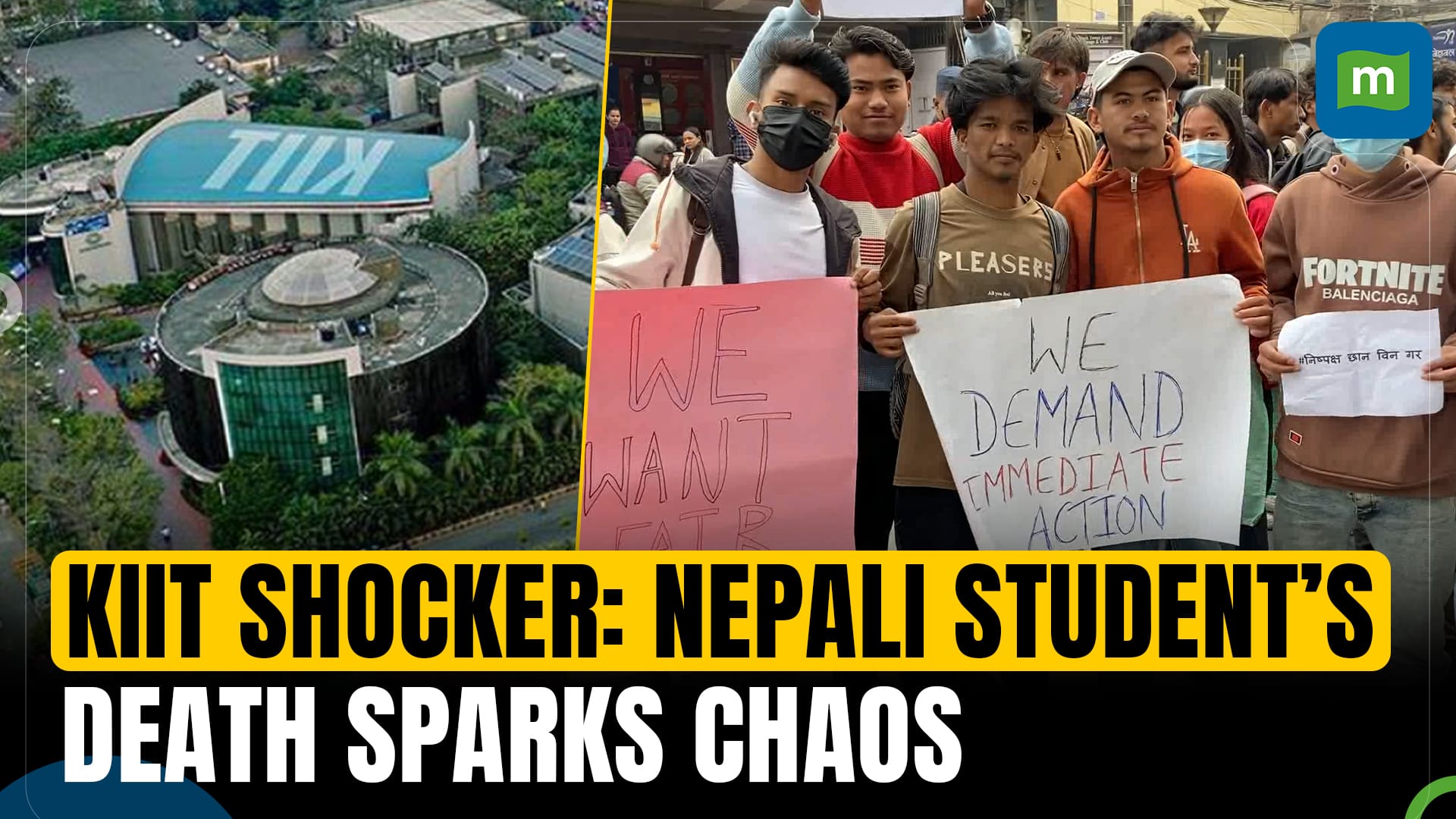
The tragic death of a third-year Nepali student at KIIT University in Bhubaneswar, India, has ignited a firestorm of protests and accusations, highlighting concerns about student safety and the treatment of international students within the Indian higher education system. The discovery of the student's lifeless body in her hostel room has prompted widespread grief and anger among her fellow students, leading to demonstrations demanding a thorough investigation and justice for the deceased. The initial reports suggest a possible case of harassment, though the exact circumstances surrounding her death remain shrouded in mystery. This uncertainty fuels the intense emotional response and the escalating tensions between students, university authorities, and the governments of India and Nepal.
The immediate aftermath of the discovery was marked by spontaneous protests organized by students who voiced concerns about a potentially unsafe environment within the university hostels. These demonstrations quickly gained momentum, attracting a large number of students from both the Nepali and Indian communities. The protesters’ demands are multifaceted, ranging from a comprehensive and transparent investigation into the student's death to ensuring the safety and well-being of all students, particularly those from international backgrounds. They are also calling for accountability from the university authorities, who are accused of negligence in safeguarding student welfare. The protests have brought the issue of harassment and discrimination against international students within Indian universities to the forefront of public discourse.
Adding fuel to the already volatile situation, the university administration responded with a controversial move: ordering the immediate eviction of all Nepali students residing in the hostels. This action has been met with widespread condemnation, not only from students but also from the Nepali government. The sudden evictions are seen as a heavy-handed and insensitive response to a sensitive tragedy, further exacerbating the tensions and triggering accusations of institutional racism and xenophobia. The Nepali Prime Minister has intervened directly in the matter, demanding a full account of the events, including a transparent investigation into the student’s death and a guarantee of safety for the Nepali students who are now facing uncertainty and displacement.
The incident has far-reaching implications, extending beyond the immediate concerns of the KIIT University community. It raises fundamental questions about the safety and welfare of international students in India’s higher education institutions. The actions taken by the university authorities have drawn criticism for their lack of sensitivity and for the potential for further alienation of already vulnerable international students. The intervention by the Nepali government underscores the international dimension of the issue and the growing pressure on Indian authorities to address concerns about the treatment of international students. The events highlight the need for a comprehensive review of policies and procedures within Indian universities aimed at ensuring the safety and well-being of all students, irrespective of their nationality or background.
The ongoing investigation into the student's death is crucial, and the findings will undoubtedly shape the future direction of this unfolding crisis. The focus must not only be on uncovering the circumstances surrounding the death but also on addressing the systemic issues that may have contributed to it. A comprehensive review of university policies related to student safety, harassment prevention, and the support provided to international students is paramount. The incident serves as a stark reminder of the need for greater cultural sensitivity, improved communication, and increased accountability from educational institutions in ensuring a safe and supportive environment for all students, regardless of their origin.
Source: KIIT Hostel Tragedy: Nepali Student’s Death Sparks Protests & Evictions in Bhubaneswar