
 |
|
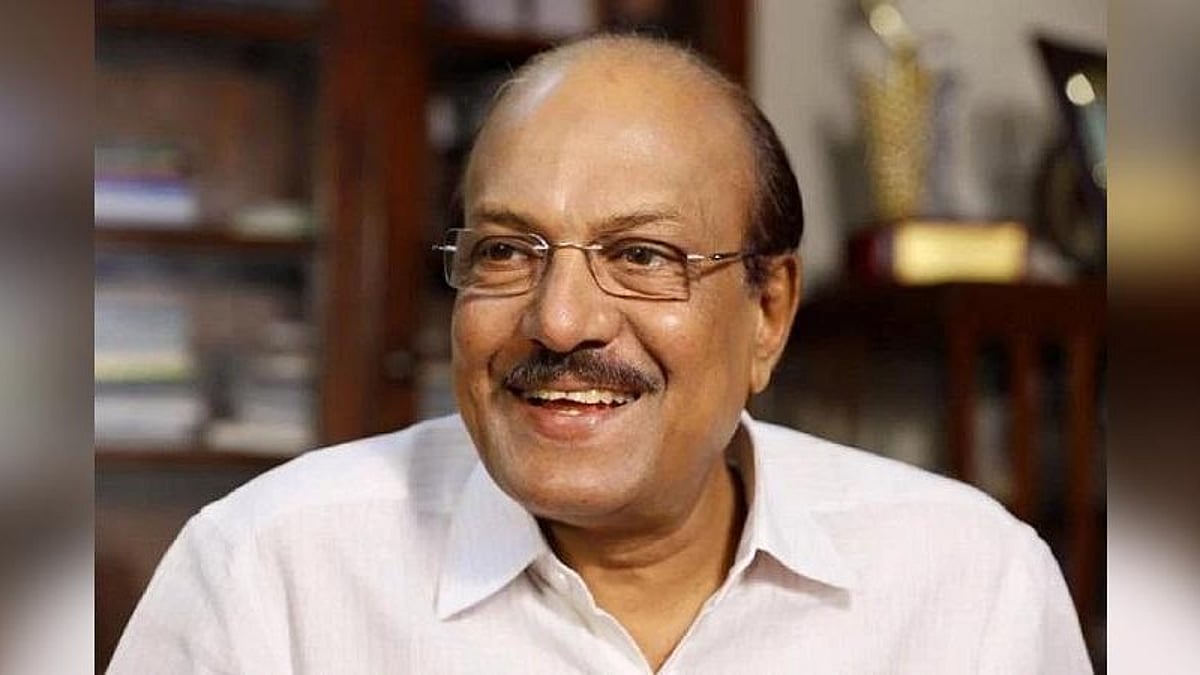
The recent victory of the Bharatiya Janata Party (BJP) in the Delhi elections has sparked intense debate and analysis within India's political landscape. A prominent voice in this post-election discussion is IUML national general secretary P K Kunhalikutty, who has directly attributed the BJP's success to the lack of unity and coordination amongst parties within the INDIA bloc, a significant opposition alliance. Kunhalikutty's assertion, made to reporters in Kannur, highlights a crucial internal challenge facing the opposition in its efforts to counter the BJP's growing influence. He argues that the BJP, despite lacking inherent widespread popular support, effectively capitalized on the disarray and infighting among the secular opposition forces. This strategy, he suggests, mirrors similar successes observed in other states, such as Maharashtra, where a fractured opposition allowed the BJP to exploit divisions and secure political gains.
Kunhalikutty's analysis emphasizes the detrimental impact of internal competition among the INDIA bloc constituents. He notes the occurrence of competing candidacies in various state-level elections, undermining the collective strength that a united front could have presented against the BJP. While he refrains from assigning blame solely to the Congress, he stresses the urgent need for a more robust mechanism of inter-party coordination within the INDIA bloc. This calls for a collaborative approach, moving beyond individual party interests towards a unified strategic vision. The absence of such coordination, according to Kunhalikutty, created an opportunity for the BJP to consolidate its position, turning divisions within the opposition into a significant political advantage. The implication is clear: internal friction weakened the INDIA bloc, effectively gifting victory to the BJP in Delhi.
The People's Democratic Party (PDP) offers a contrasting yet complementary perspective, placing the responsibility for the BJP's victory squarely on the Aam Aadmi Party (AAP). In a statement released by PDP vice-chairman Varkala Raj, the AAP's perceived arrogance and belief in its capacity to govern Delhi without external support is condemned as a critical factor that paved the way for BJP's triumph. This perspective highlights another dimension of the overall political narrative, suggesting a lack of strategic foresight and alliance-building on the part of the AAP, inadvertently assisting the BJP's electoral ambitions. The PDP's call for apologies from both the Congress and the AAP underscores the gravity of the situation and the perceived consequences of their actions, emphasizing the collaborative nature required to effectively challenge the BJP's dominance.
The diverging perspectives presented by Kunhalikutty and the PDP underscore the complexity of analyzing the recent Delhi election results. While Kunhalikutty points to the broad failure of coordination within the INDIA bloc, the PDP focuses on a specific case of perceived arrogance and miscalculation by the AAP. Both assessments, however, converge on the crucial need for stronger alliances and more effective coordination among opposition parties. The core issue lies in the need for a unified approach capable of countering the BJP's strategic manipulation of internal conflicts within the opposition. The future success of the INDIA bloc, and the broader opposition's ability to challenge the BJP's power, hinges significantly on addressing these internal challenges and cultivating a collaborative political environment.
Kunhalikutty's emphasis on the need for internal discussion and coordination within the INDIA bloc highlights a critical path forward for the opposition. This necessitates not just collaborative strategies, but also a willingness to address internal conflicts and overcome differences to present a united front against the ruling BJP. The failure to do so, as the Delhi election outcome demonstrates, can significantly undermine the effectiveness of the opposition and embolden the BJP's political ambitions. The implications extend far beyond Delhi, highlighting the importance of strong inter-party relationships and strategic alliances for the success of any significant opposition effort in the years to come. The call for introspection and reform within the INDIA bloc is not merely a response to a single election result, but a crucial step towards building a more resilient and effective opposition capable of challenging the BJP's dominance on the national stage.
Furthermore, the PDP's statement serves as a potent reminder of the delicate balance required in coalition politics. Overconfidence or a lack of awareness of the political landscape can be equally detrimental to electoral prospects. The AAP's perceived arrogance, as highlighted by the PDP, underscores the need for humility and a recognition of the importance of strategic alliances in the face of a powerful opponent. Moving forward, the opposition needs to learn from this setback, fostering a climate of trust and cooperation, and adopting a more nuanced and adaptive approach to coalition building. The BJP's victory in Delhi is not just a win for one party; it represents a strategic triumph stemming from divisions within the opposition, highlighting the importance of effective coalition politics.
In conclusion, the Delhi election results present a sobering lesson for the INDIA bloc. The analyses offered by Kunhalikutty and the PDP, while differing in focus, both underscore the critical need for greater unity, coordination, and a clear understanding of strategic imperatives within the opposition. The failure to effectively address these internal challenges will undoubtedly continue to benefit the BJP, hindering any meaningful opposition to its political agenda. The path forward requires not just improved communication but a fundamental shift in the approach to coalition politics, prioritizing collaboration and mutual respect above individual ambitions. The future success of the opposition depends critically on learning from past mistakes and fostering a more cohesive and strategically astute approach to challenging the BJP's power.
Source: Division among INDIA bloc parties aided BJP's Delhi victory, says IUML leader Kunhalikutty