
 |
|
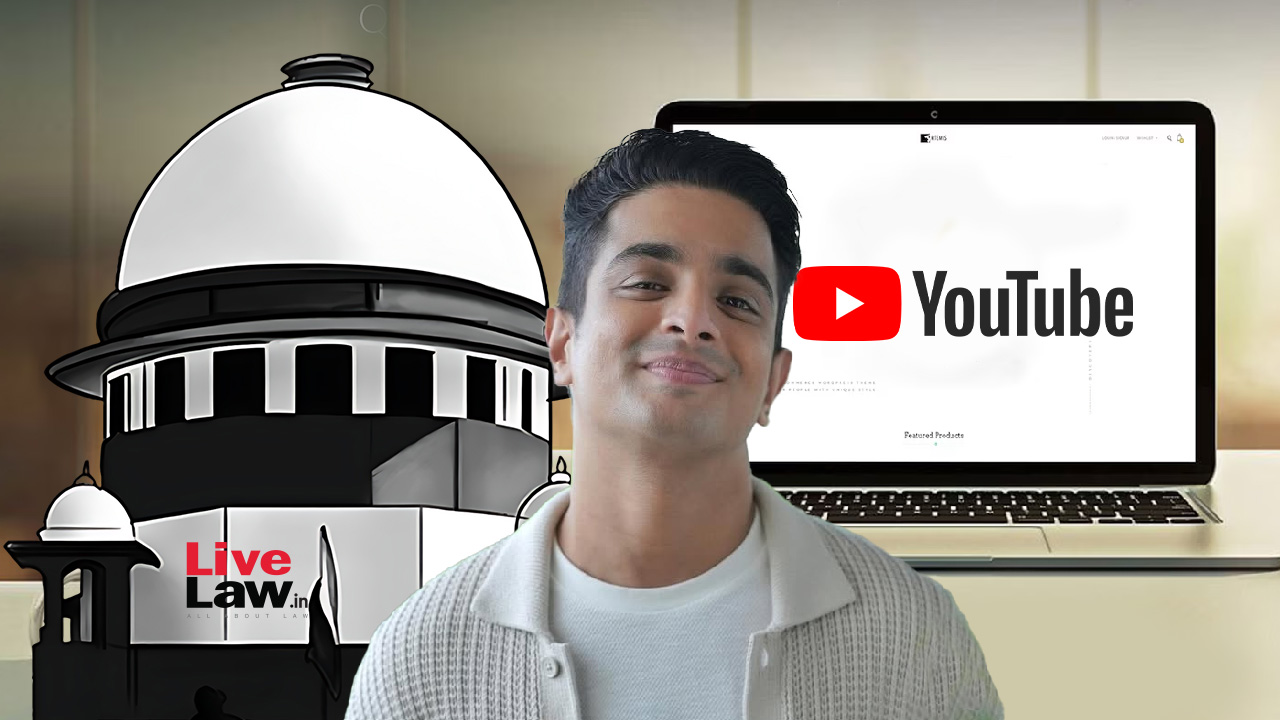
The Supreme Court of India has taken a significant step towards addressing the growing concern of obscene and inappropriate content proliferating on online platforms, particularly YouTube. Triggered by the controversy surrounding the show "India's Got Latent" and a petition filed by YouTuber Ranveer Allahabadia, the Court has voiced its intention to actively regulate this content, highlighting a critical gap in the existing legal framework. The Court's decision underscores the urgent need for a comprehensive approach to online content moderation and highlights the challenges involved in balancing freedom of expression with the need to protect public morality and prevent the dissemination of harmful material. The case involving Allahabadia serves as a focal point, demonstrating the existing regulatory vacuum and the need for a robust mechanism to address such issues promptly and effectively. The Court's decision is not merely a reaction to a specific case; rather, it signals a broader concern about the pervasive nature of inappropriate content online and its potential impact on society.
The Court's direct engagement with the Union Government, requesting its views and offering support in tackling the issue, signals a collaborative approach to addressing this complex problem. While the Court expressed its willingness to take action independently if the Government fails to act swiftly, the emphasis on collaboration highlights a recognition that this issue demands a multifaceted solution. The involvement of the Attorney General and Solicitor General underscores the gravity of the situation and the desire for a comprehensive, well-considered approach that respects both freedom of speech and the need for safeguarding public interest. The Court’s strong criticism of Allahabadia’s language, despite granting him interim protection from arrest, underscores the seriousness with which it views the issue of inappropriate content and sends a clear message about the boundaries of acceptable online expression.
The implications of this Supreme Court intervention are far-reaching. It raises fundamental questions about the balance between freedom of expression and the responsibility of online platforms and content creators to ensure their content adheres to ethical and legal standards. The lack of a robust regulatory framework has created a space where harmful and inappropriate content can thrive, impacting not only individuals but also society as a whole. The Court's active involvement necessitates a critical examination of existing laws and regulations related to online content, considering the dynamic nature of the internet and the ever-evolving challenges posed by the proliferation of online platforms. The outcome of this case will likely have significant implications for future regulation of online content in India, setting precedents for content moderation policies and the role of both the judiciary and the government in protecting users from harmful material online. This will likely involve a careful consideration of international best practices, the specific cultural context of India, and the need for a mechanism that is both effective and respects fundamental rights.
Furthermore, the case highlights the complexities involved in regulating online content in a globalized world. The reach of YouTube and other social media platforms transcends national borders, making international collaboration crucial for effective regulation. The issue of jurisdiction and enforcement across different platforms and countries presents a significant challenge. The potential clash between freedom of expression and the protection of vulnerable groups, particularly children, necessitates careful consideration of the potential impact of any regulations on diverse communities. The need for a transparent and fair mechanism for content moderation, with clear guidelines and avenues for redressal, is paramount. Balancing the interests of content creators, online platforms, and users will require a thoughtful and collaborative approach, bringing together all stakeholders to address this multifaceted challenge.
The Supreme Court's proactive stance reflects a growing awareness of the potential harms associated with unregulated online content. The decision marks a crucial step towards establishing a clearer framework for online content moderation in India. It is not merely about censorship; it is about creating a safer and more responsible online environment while upholding fundamental rights. The involvement of the government, along with the judiciary’s clear stance, indicates a serious commitment to addressing this issue and signals a potential shift in how online content regulation is approached in India and potentially influencing similar discussions in other countries grappling with this complex challenge. The long-term success of any regulatory framework will depend on the ability to achieve a balance between freedom of expression and the protection of public interest, ensuring a healthy and vibrant online space for all.