
 |
|
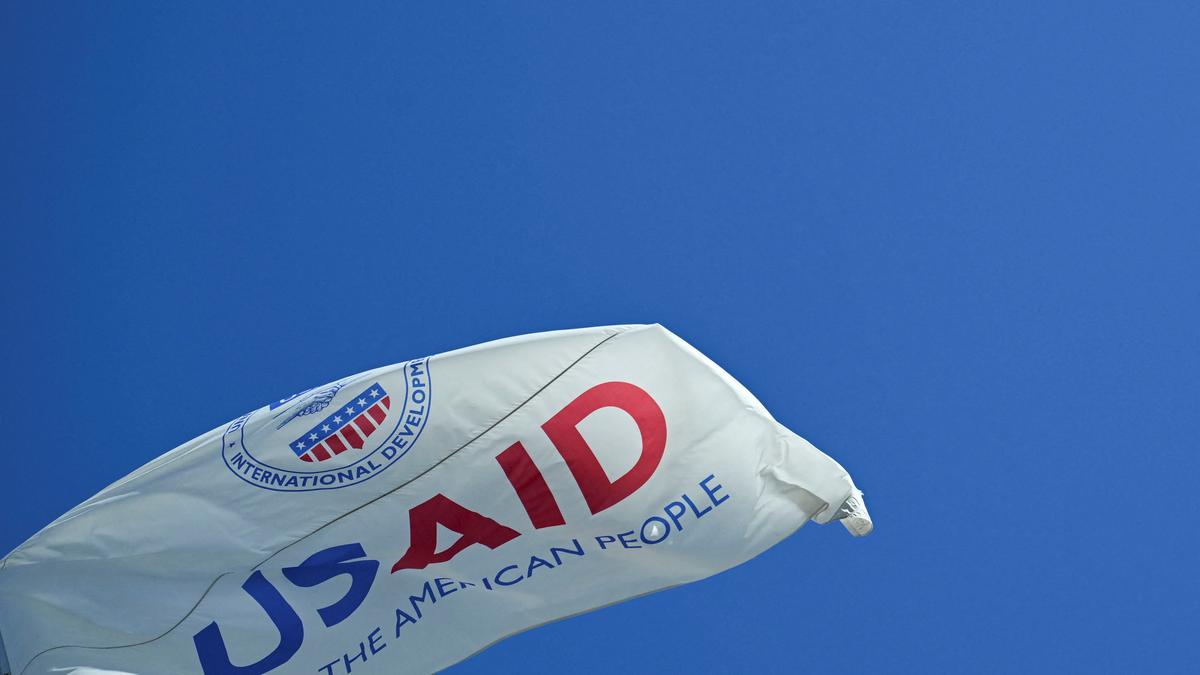
The recent controversy surrounding alleged USAID funding of voter turnout campaigns in India has ignited a political firestorm. The Congress party, a key opposition force in India, has formally requested the Union government to release a comprehensive white paper detailing all USAID funding provided to both governmental and non-governmental organizations within India over the past several decades. This demand follows statements made by U.S. President Donald Trump questioning the allocation of $21 million towards voter turnout efforts in India, suggesting potential foreign interference in the nation's electoral processes. The implications of this controversy are far-reaching, potentially impacting the already complex relationship between the United States and India.
The heart of the controversy lies in the opaque nature of USAID's funding practices in India. While USAID maintains its commitment to promoting democratic values and development initiatives globally, critics argue a lack of transparency shrouds its operations, leaving room for misinterpretations and accusations of undue influence. The Congress party's call for a white paper aims to shed light on this opacity, demanding a detailed accounting of funds disbursed, the recipient organizations, and the specific projects funded. This level of scrutiny is considered vital to dispel any doubts about the integrity of USAID's actions and to reassure the Indian public of the absence of any foreign interference in its domestic affairs.
Congress communication chief Jairam Ramesh publicly refuted President Trump's claims, characterizing them as "nonsensical." However, despite his dismissal of the allegations, Mr. Ramesh's support for the white paper indicates a recognition of the need to address public concerns and enhance transparency. The request for a white paper is not merely a reactive measure to counter Trump's assertions; it also reflects a deeper concern about the potential for misuse of foreign aid and the importance of safeguarding India's electoral integrity. The demand underscores a growing need for greater accountability and oversight in international aid disbursement, ensuring that such funding is used ethically and effectively, without compromising the sovereignty of recipient nations.
The controversy is further complicated by the recent actions of the U.S. Department of Government Efficiency (DOGE), headed by Elon Musk. DOGE has initiated a significant overhaul of the U.S. administration, leading to the effective shutdown of USAID operations worldwide. The inclusion of the $21 million allocated for voter turnout in India on DOGE's list of cancelled expenditures adds another layer to the debate. This action, while ostensibly driven by fiscal responsibility, further fuels concerns about the future of U.S. foreign aid programs and their potential impact on India's political landscape. The implications for India extend beyond the immediate controversy; it raises questions about the broader impact of foreign funding on the country's democratic processes and its relationship with the United States.
The debate surrounding USAID funding in India highlights the delicate balance between providing foreign aid for development and avoiding any perception – or reality – of interference in the domestic affairs of recipient nations. The controversy serves as a cautionary tale, emphasizing the necessity of transparency, accountability, and clear guidelines to ensure the ethical and effective use of international aid. The ultimate outcome of the Congress party's demand for a white paper remains to be seen, but it signals a significant step toward demanding greater clarity and oversight in the complex world of international development assistance. The implications of this controversy will undoubtedly shape the future of U.S.-India relations and the discourse surrounding foreign aid in democratic societies globally. Further analysis will be needed to fully understand the long-term consequences of this event and the changes that may result from increased scrutiny of foreign funding in India and other countries.
Source: Congress demands white paper on past USAID funding in India