
 |
|
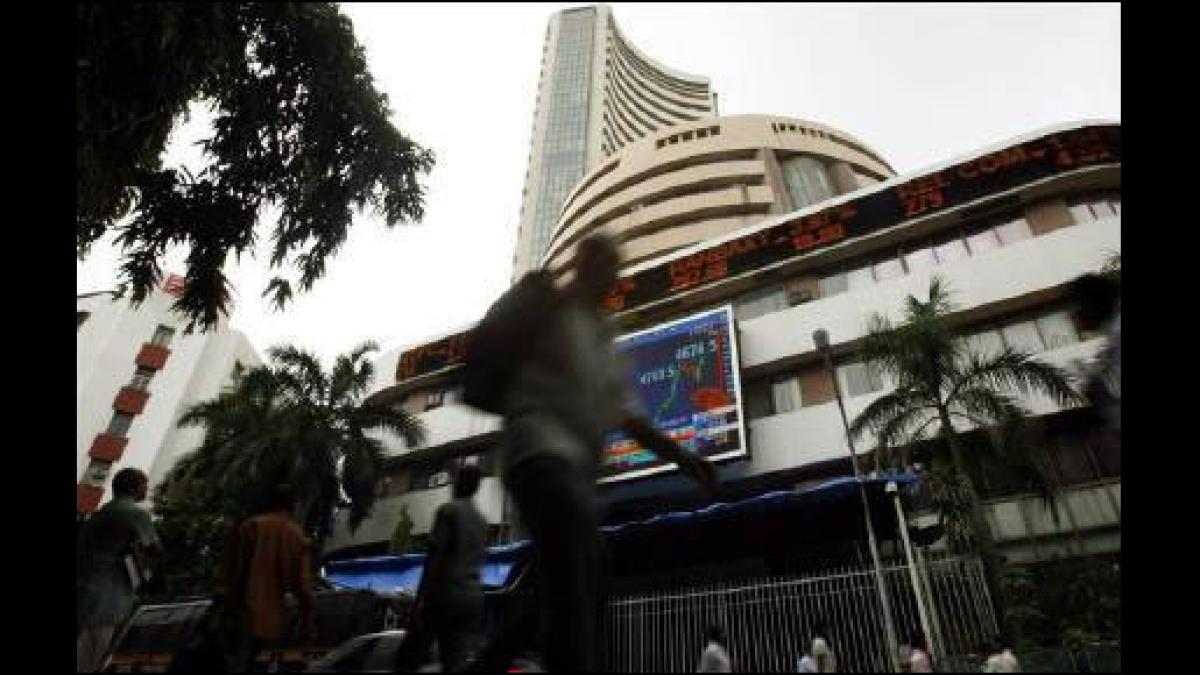
The Indian stock market experienced a significant downturn, with the Sensex and Nifty indices extending their losing streak for eight consecutive trading days. This prolonged decline was primarily attributed to two major factors: disappointing Q3 earnings from numerous Indian corporations and substantial outflows of funds from foreign portfolio investors (FPIs). The BSE benchmark Sensex plummeted by 199.76 points (0.26%), closing at 75,939.21, while the NSE Nifty index also experienced a decline of 102.15 points (0.44%), settling at 22,929.25. Over the eight-day period, the Sensex experienced a cumulative drop of 2,644.6 points (3.36%), and the Nifty fell by 810 points (3.41%). This represents a considerable loss of investor confidence and market value.
The weak Q3 earnings reported by several companies fell short of market expectations, particularly among mid-cap and small-cap stocks. This underperformance fueled a risk-averse sentiment among investors, contributing significantly to the sell-off. Analysts, such as Vinod Nair, Head of Research at Geojit Financial Services, pointed to the muted earnings trend, rupee depreciation, and external factors like tariffs as contributing to the weak market sentiment and further driving FPI outflows. The impact was widespread, with various sectors experiencing declines. The BSE small-cap gauge dropped by 3.24%, while the mid-cap index fell by 2.59%. Several sectoral indices also suffered significant losses, including services, industrials, capital goods, power, utilities, consumer durables, commodities, and realty. Only the BSE Focused IT sector showed gains.
The substantial outflows of funds from FPIs played a crucial role in exacerbating the market decline. FPIs offloaded equities worth Rs 2,789.91 crore on Thursday alone, according to exchange data. This significant capital outflow reflects a lack of confidence in the Indian market, potentially driven by global economic uncertainties, concerns about corporate earnings, and the broader macroeconomic environment. The persistent sell-off created a climate of concern among investors, as noted by Osho Krishnan, Sr. Analyst at Angel One. The negative market sentiment was further amplified by the overall global economic context. While US markets ended higher on Thursday and some Asian markets showed gains, European markets displayed mixed performance. However, this positive global performance did little to offset the negative forces at play within the Indian market.
Despite a positive announcement regarding a bilateral trade agreement between India and the US, aimed at doubling bilateral trade to USD 500 billion by 2030, the market remained largely unresponsive. While this agreement holds potential for long-term growth, its immediate impact on investor sentiment appeared limited, overshadowed by the immediate concerns surrounding weak earnings and FPI outflows. The agreement, while significant, may not deliver immediate results to offset existing negative trends in the market. The focus remains on addressing the underlying issues driving the current downturn, including improving corporate earnings and restoring investor confidence. The volatility is expected to continue until there’s greater clarity on global economic factors and a recovery in corporate profitability.
In conclusion, the eight-day slide in the Indian stock market is a complex event stemming from a confluence of factors. Weak Q3 earnings, which fell short of investor expectations, fueled a risk-averse sentiment. Simultaneously, significant FPI outflows exacerbated the situation, reflecting a broader lack of confidence. While positive news regarding a US-India trade agreement offers long-term potential, it hasn't been sufficient to counteract the immediate negative pressures. The market's future trajectory depends on a combination of factors, including improved corporate earnings, a more stable global economic environment, and the restoration of investor confidence. The coming weeks will be crucial in determining whether the market can recover from this significant downturn.
Source: Sensex, Nifty Slide 8th Day: FPI Outflows, Weak Q3 Earnings