
 |
|
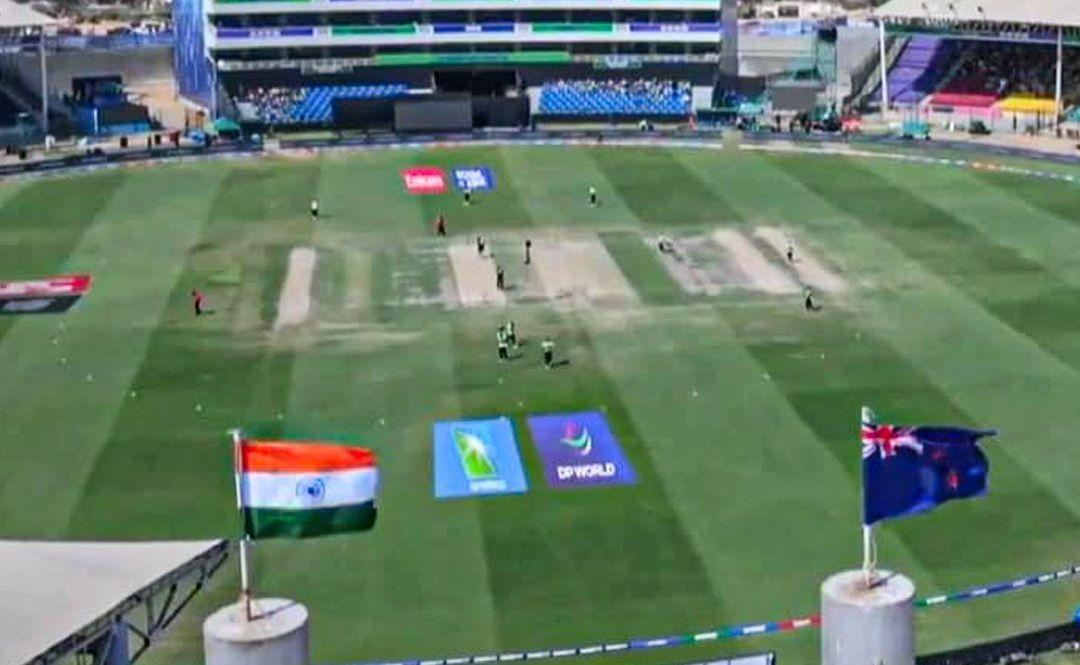
The appearance of the Indian flag at Karachi Stadium during the opening match of the Champions Trophy 2025 between Pakistan and New Zealand marked a resolution to a significant controversy that had unfolded in the lead-up to the tournament. The incident highlights the complex geopolitical relationship between India and Pakistan, often reflected in the fervor surrounding sporting events between the two nations. The initial absence of the Indian flag, as evidenced by a viral video circulating online, sparked widespread debate and speculation about the motivations behind this omission. Some suggested it was an intentional snub, while others attributed it to an oversight or logistical error. Whatever the reason, the lack of the Indian flag, a symbol of national pride for millions, at a high-profile international sporting event hosted in Pakistan, was undeniably provocative and created a considerable stir.
The video, which quickly gained traction across various social media platforms, showed flags representing all participating teams except India proudly displayed at the stadium. This immediately raised concerns and ignited a flurry of online discussions, with many expressing their discontent and disappointment. The absence of the Indian flag, amidst the flags of other competing nations, was perceived by many as a deliberate slight, potentially fueled by the existing political tensions between India and Pakistan. The incident underscored the sensitivity surrounding the representation of national symbols in international sporting events and the potential for such events to become highly charged political arenas. The initial reaction was a mix of outrage, confusion, and speculation, with several media outlets reporting on the incident and its potential implications.
However, the swift appearance of the Indian flag at the stadium before the match commenced indicates a prompt resolution to the controversy. This suggests a potential intervention by either stadium authorities, organizing officials, or even diplomatic channels to rectify the situation and prevent further escalation. While the precise reason for the initial omission remains unclear, the subsequent addition of the Indian flag likely aimed to de-escalate the situation and ensure a smoother, less politically charged atmosphere for the opening match. The incident, however, serves as a reminder of the significant political undercurrents that can influence even seemingly apolitical events such as international sporting competitions. It underscores the delicate balance that organizers and participating nations must maintain to keep the focus on sportsmanship and competition while navigating complex geopolitical landscapes.
The incident's resolution, while seemingly straightforward, raises further questions about the organizational processes and communication channels involved in preparing for such a large-scale international event. It highlights the importance of meticulous planning and careful attention to detail in ensuring all participating nations are appropriately and respectfully represented. The controversy also brought to light the significant power of social media in disseminating information and shaping public opinion. The rapid spread of the video and the ensuing online discussions demonstrated how quickly a seemingly minor incident can escalate into a major controversy, impacting the perception of the event and the participating nations. Moving forward, lessons learned from this episode should emphasize improved communication, thorough planning, and proactive measures to avoid similar incidents that could tarnish the image of the event or generate unnecessary political friction.
Furthermore, the incident's impact extended beyond the immediate context of the Champions Trophy opener. It once again illuminated the complex and often fraught relationship between India and Pakistan, a relationship that continues to influence events in various sectors. The controversy serves as a stark reminder of the political sensitivities surrounding these two nations and the potential for seemingly minor incidents to quickly escalate into larger diplomatic issues. The incident might also encourage a deeper conversation about the role of sports in fostering diplomacy and understanding between nations, particularly those with a history of conflict. The Champions Trophy, as a major international sporting event, could become a symbolic platform to promote positive relations, but incidents like this underscore the challenges involved in achieving such objectives.