
 |
|
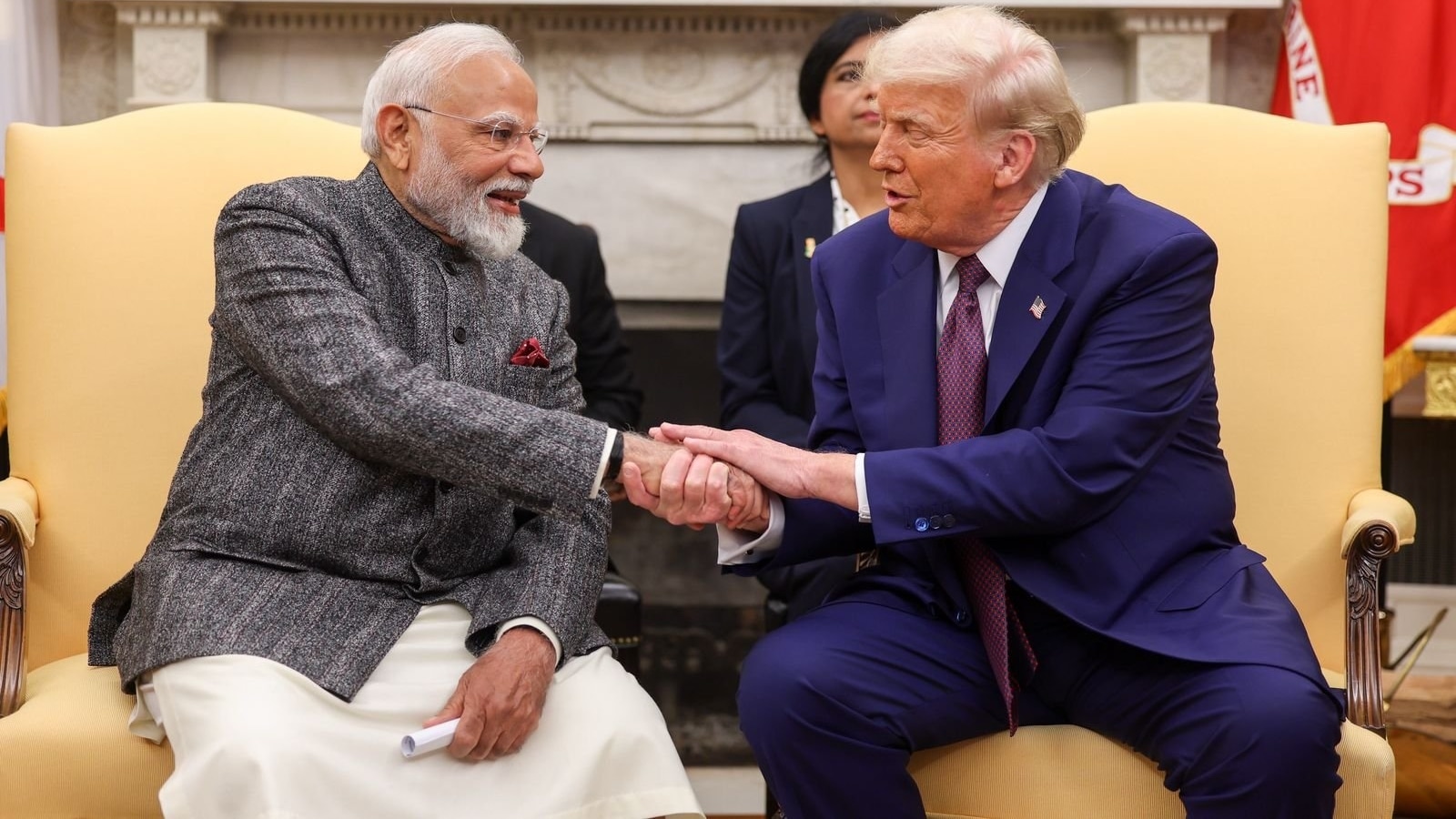
The renewed nuclear cooperation between India and the United States marks a significant diplomatic achievement for India, especially considering the initial strained relationship with the previous US administration. This agreement offers three primary benefits to India: the revitalization of the 2007 US-India 123 Civil Nuclear Agreement, the potential for large-scale localization and technology transfer in nuclear reactor construction, and the opportunity to upgrade India's reactor technology and compete in the growing small modular reactor (SMR) market. The commitment to fully realize the 123 Agreement acknowledges the past lack of progress and signifies a renewed dedication to leveraging the potential benefits of the Indo-US nuclear deal, two decades after its inception. This renewed focus underscores a commitment to collaboration and a departure from the transactional approach previously observed in other areas of US-India relations.
A key aspect of this renewed cooperation is the joint effort to build American-designed nuclear reactors in India. This initiative emphasizes large-scale localization and potentially involves technology transfer from the US to India. This stands in contrast to the US's general focus on bringing manufacturing back to its own shores. The agreement signifies a willingness to share technology and expertise, which is a significant gain for India, fostering both technological advancement and economic growth. The transfer of technology is crucial to upgrading India's reactor capabilities, particularly in the context of the global shift towards pressurized water reactors (PWRs). India's current reliance on pressurized heavy water reactors (PHWRs) puts it at a disadvantage in the international nuclear energy market, and the shift to PWR technology will allow India to become a more significant player.
Another crucial aspect of this agreement is the opportunity for India to upgrade its reactor specialization and increase its capacity addition, addressing the slow pace of project development. The focus on small modular reactors (SMRs) is particularly important, given their growing global importance and the potential for private sector involvement. India already possesses expertise in manufacturing smaller reactor types, but this deal aims to bridge the technological gap between India's PHWRs and the globally dominant PWRs. The collaboration with companies like Holtec International is a prime example of this effort, potentially leading to the establishment of a large nuclear technology campus in Pune and the creation of numerous jobs. This expansion into the SMR sector, a field where China is aggressively pursuing global leadership, provides India with a strategic advantage and the opportunity to collaborate with the US to compete effectively in this growing market.
The strategic incentive to jointly compete with China in the SMR sector is another significant aspect of this renewed cooperation. China’s ambitious plan to dominate the global SMR market poses a challenge to both India and the US. By combining their resources and expertise, India and the US can create a more effective counterbalance to China’s influence. India's technological limitations and the US's challenges related to labor costs and protectionist policies highlight the benefits of this partnership. As Kris P. Singh, the Indian-American promoter of Holtec International, emphasizes, this agreement helps India break free from technological isolation and participate fully in the commercial nuclear world, creating substantial work opportunities for Indian companies. Holtec's plans to expand its manufacturing operations in India underscore the potential for significant economic growth stimulated by this renewed nuclear partnership.
The 2007 123 Agreement aimed for comprehensive civil nuclear cooperation, but legislative impediments in India hindered progress. The Indian government’s stated intent to amend these legislations signals a commitment to overcoming the obstacles that have prevented the full realization of the agreement's potential. Holtec International's proposal to utilize SMR technology, specifically its SMR-300 reactor, presents a practical approach to breaking the current stalemate. The potential for deploying these reactors at existing coal plant sites and the prospect of joint manufacturing further enhance the economic and strategic benefits for both nations. This initiative aligns with India's broader clean energy transition goals and its efforts to leverage technology as a tool for foreign policy outreach. The global demand for SMRs is expected to increase significantly, driven by the growing energy requirements of technology companies and the expanding use of AI and data centers. The collaboration with Holtec, a company actively involved in the US Department of Energy's Advanced Reactor Demonstration Programme, provides access to advanced reactor designs and expertise, increasing the competitiveness of India’s SMR program in the international market. Competing effectively with other global players like Rolls-Royce, NuScale, Westinghouse, and GE-Hitachi in the SMR segment requires strategic partnerships and substantial technological advancements, making this joint venture crucial for India’s nuclear future.
Source: Renewed India-US nuclear cooperation: A diplomatic upside with 3 clear gains