
 |
|
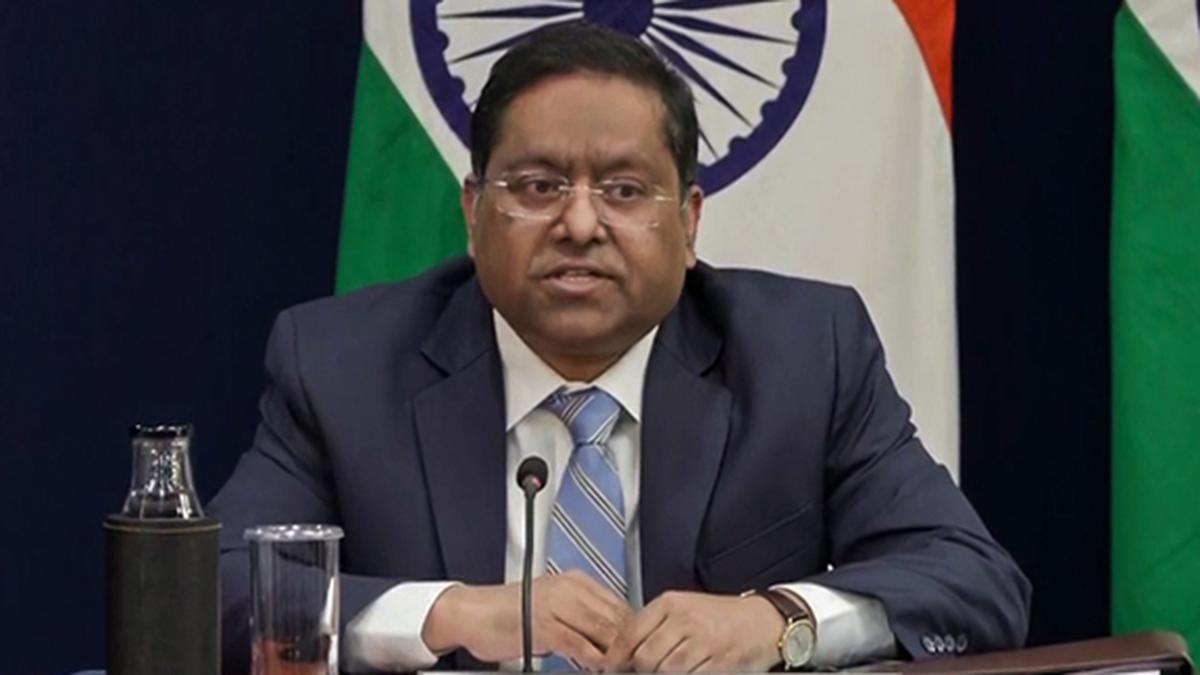
The recent revelation of a $21 million USAID fund allegedly directed towards boosting voter turnout in India has sparked a significant diplomatic incident between India and the United States. The Indian Ministry of External Affairs (MEA) has expressed deep concern and labeled the reports as "deeply troubling," citing potential foreign interference in India's internal affairs. This statement reflects a serious breach of trust and underscores the sensitivity surrounding external influence on India's democratic processes. The MEA's strong reaction highlights the importance India places on maintaining its sovereignty and the integrity of its electoral system. The swift initiation of investigations by relevant Indian departments and agencies indicates the seriousness with which the allegations are being treated. The lack of transparency surrounding the USAID funding and the perceived lack of consultation with the Indian government have further fueled the controversy. The potential impact on bilateral relations between India and the United States is significant, with the incident threatening to strain already complex diplomatic ties. The controversy is further complicated by President Trump's public questioning of the USAID funding, adding another layer of uncertainty and potentially increasing the political stakes involved.
The incident raises fundamental questions about the role of foreign aid in democratic processes. While USAID's stated goals often include promoting democratic participation and strengthening civil society, the alleged allocation of funds specifically targeting voter turnout is viewed by India as crossing a line. The controversy underscores the delicate balance between providing international assistance and respecting the sovereignty of recipient nations. The line between legitimate development assistance and undue influence in domestic elections remains blurred, and this incident serves as a stark reminder of the potential pitfalls. The lack of clear guidelines and mechanisms for ensuring transparency and accountability in foreign aid distribution exacerbates the problem. International organizations and donor countries need to establish robust frameworks to prevent such controversies from arising in the future, fostering greater trust and collaboration between donor and recipient nations. The use of funds to influence electoral outcomes, even if indirectly, undermines the democratic process and erodes public trust in the fairness and legitimacy of elections.
The implications of this incident extend beyond the immediate concerns of India and the United States. It serves as a cautionary tale for other nations receiving foreign aid, emphasizing the need for careful scrutiny of donor intentions and the importance of maintaining clear communication and transparency. Furthermore, the controversy highlights the potential for foreign interference to destabilize democratic processes globally. The incident underscores the need for strengthening domestic mechanisms to ensure electoral integrity and resist external pressures. This includes enhancing voter education, improving election administration, and promoting transparent campaign finance regulations. International cooperation is crucial in combating foreign interference in elections, requiring the establishment of shared norms and standards for responsible engagement in the political processes of other countries. The need for clear and well-defined guidelines on foreign aid, emphasizing respect for national sovereignty and avoiding activities that could be construed as interference, is paramount. A multilateral dialogue involving donor countries, recipient nations, and international organizations is needed to establish effective frameworks for preventing similar incidents in the future, protecting the integrity of democratic processes worldwide.
Source: Reports on $21 million USAID fund to India ‘deeply troubling’: MEA