
 |
|
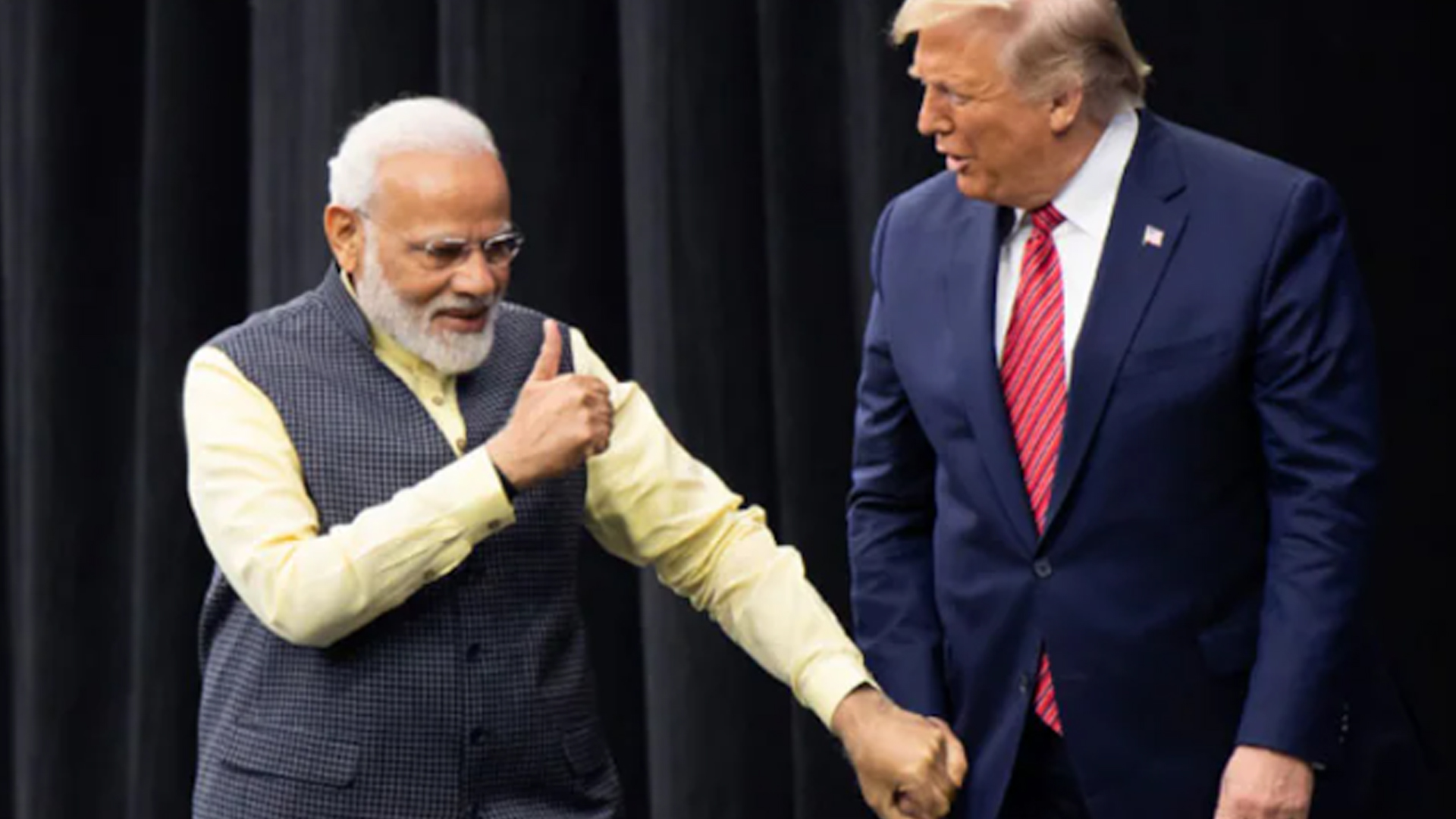
The recent Union Budget 2025-26 presented by India's Finance Minister Nirmala Sitharaman included a significant reduction in customs duties on high-end motorcycles, cars, and smartphone parts. This move has been interpreted by many as a direct response to US President Donald Trump's previous criticisms of India's tariff policies, where he labeled India as a 'tremendous tariff maker'. The immediate beneficiaries of this duty reduction are prominent American companies such as Harley-Davidson, Tesla, and Apple, all poised to experience increased market accessibility and potentially higher sales within the Indian consumer market. The decrease in import duties effectively lowers the price of these products for Indian consumers, potentially stimulating demand and contributing to a rise in market share for these American brands. This strategic move by the Indian government could be interpreted as an attempt to de-escalate trade tensions with the United States and foster a more amicable trading relationship.
However, the Indian government has officially denied that the customs duty rationalization was a direct response to Trump's tariff announcements. Finance Minister Sitharaman has emphasized that the changes are part of a broader initiative to achieve 'aatmanirbhar' (self-reliance) for the Indian economy. This assertion suggests that the government’s primary goal is to restructure its trade policies to promote domestic manufacturing and economic independence, rather than reacting to external pressure. While this explanation might seem plausible on the surface, the timing of the tariff reductions – occurring shortly after Trump's pointed criticisms – inevitably leads to speculation about a possible connection. The simultaneous benefit accruing to large American corporations further fuels this speculation. Analyzing the situation requires a nuanced understanding of both India’s long-term economic strategy and the immediate pressures of international trade relations.
The impact of this tariff reduction will likely be multifaceted and far-reaching. For American companies like Harley-Davidson and Tesla, the reduced import duties could lead to increased sales, expanded market share, and potentially new investment opportunities in India. However, the effects on Indian domestic manufacturers remain a point of concern. A sudden influx of cheaper imported goods could negatively impact local producers, potentially leading to job losses or reduced competitiveness in the market. The Indian government’s claim of pursuing ‘aatmanirbhar’ therefore faces a crucial test; its success will depend on whether it can simultaneously promote foreign investment and protect domestic industries. A careful balancing act is required to prevent the tariff reduction from undermining its stated goals of self-reliance. Further analysis would be needed to assess the long-term effects of this policy change on both the Indian and American economies, including a comprehensive examination of consumer behavior shifts, investment flows, and overall economic growth patterns in both countries.