
 |
|
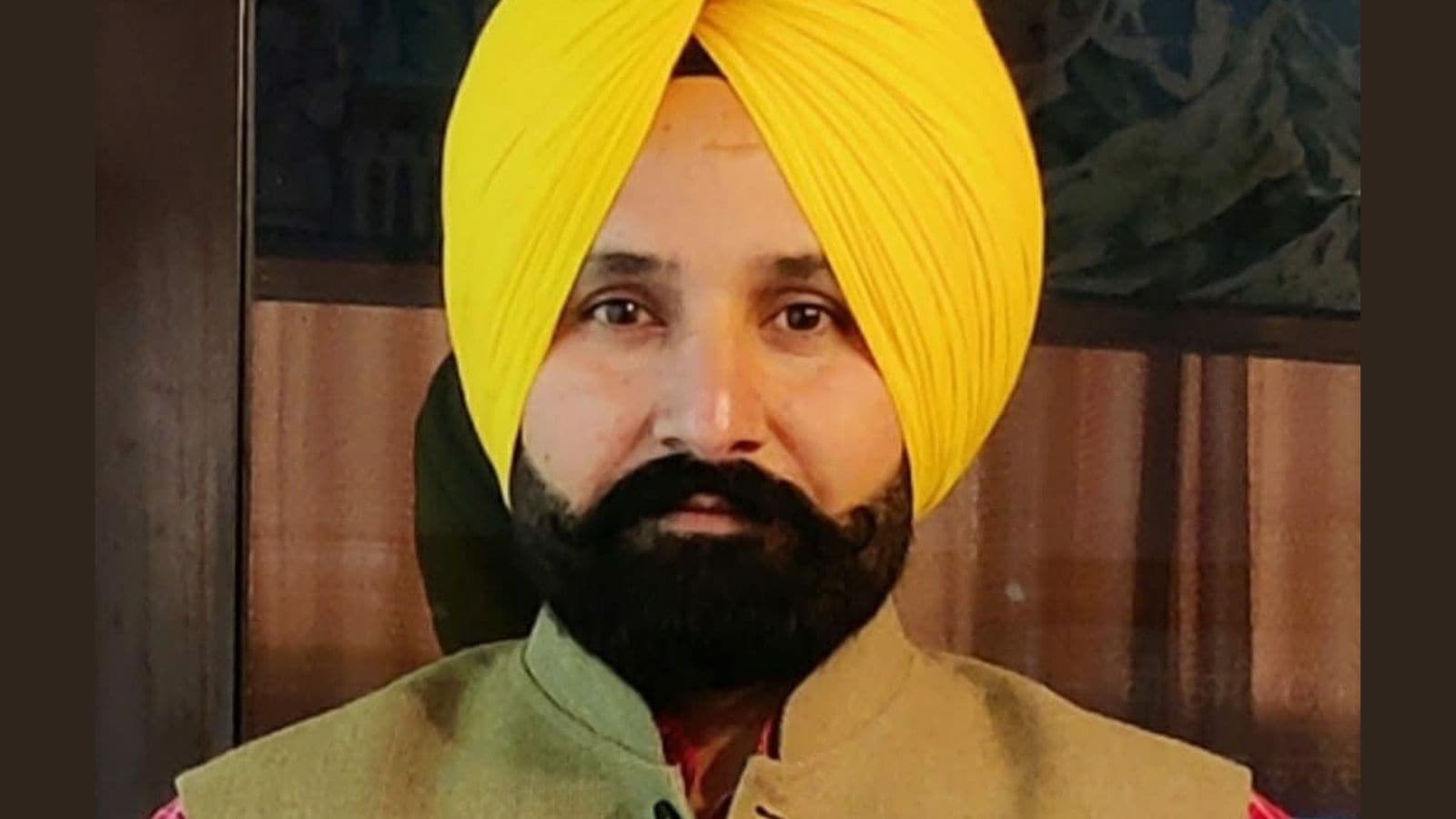
This case highlights a disturbing trend of exploitation within the context of international migration. Jaswinder Singh, a US deportee, has filed a criminal complaint against Sukhwinder Singh, the state president of the Bhartiya Kisan Union (Totewal), and three others, alleging a complex scheme of fraud and illegal immigration. The alleged deception involved not only significant financial loss for Jaswinder but also a perilous journey through multiple countries, culminating in deportation. The sheer scale of the alleged fraud, amounting to Rs 45 lakh, underscores the vulnerability of individuals seeking opportunities abroad and the lengths to which unscrupulous individuals will go to exploit their desperation. Jaswinder's decision to sell his family's land and other assets to fund this venture reflects the desperation that drives many to seek opportunities outside their homeland, especially in a system where legal pathways for immigration can be fraught with complexities and delays. The case exposes the underbelly of the immigration process, where promises of legal passage often mask illegal schemes designed to extract maximum profit from vulnerable individuals. The subsequent arrest in the US and subsequent deportation further underlines the risks associated with engaging with such illegal operations.
The mechanics of the alleged scheme are intricate and disturbing. Sukhwinder Singh, who operates an immigration firm named Fateh Immigration, reportedly promised Jaswinder legal entry into the US, including a work permit. The fraudulent nature of the operation becomes clear as the details emerge. The payment of Rs 45 lakh, involving the sale of family land, clearly surpasses the typical cost associated with legal immigration processes. The alleged use of a fake US embassy office in Chandigarh's Elante Mall, the subsequent issuance of a Schengen visa instead of a US visa, and the subsequent confinement in Prague are all elements that point to a meticulously crafted deception. The subsequent coercion, involving demands for additional funds through multiple transfers to various accounts, displays a pattern of exploitation and intimidation. The route itself – via Prague, Spain, El Salvador, and finally the US-Mexico border – reveals a dangerous and illegal “dunki” route commonly used by human traffickers. The description of the journey, involving captivity, threats, and even physical assault by 'donkers' (aids to the agents), paints a picture of vulnerability and abuse that many individuals attempting illegal entry face.
The legal ramifications of this case are significant. The FIR registered against Sukhwinder Singh, his mother Pritam Kaur, relative Talwinder Singh, and Gurpreet Singh, under sections 143, 318(4), 61(2) of the Bharatiya Nyaya Sanhita and Section 24 of The Emigration Act, demonstrates a serious response from the Punjab Police. The charges indicate a wide range of offenses, including criminal conspiracy, cheating, and violations of emigration laws. The investigation will need to thoroughly uncover the extent of the conspiracy, the involvement of each accused individual, and the broader network that may have facilitated this illegal operation. The case highlights the need for stricter regulation of immigration services, enhanced public awareness of potential scams, and more robust mechanisms to protect vulnerable individuals from exploitation. The successful prosecution of this case is crucial not only for delivering justice to Jaswinder Singh but also for sending a clear message that such fraudulent activities will not be tolerated. This case underscores the complexities and dangers inherent in irregular migration and the urgent need for addressing the underlying factors that drive individuals to risk their safety and financial well-being in pursuit of opportunities abroad.
Beyond the immediate legal proceedings, this case raises broader questions about the effectiveness of current measures to combat human trafficking and illegal immigration. The ease with which this alleged scheme was conducted raises concerns about the oversight mechanisms in place. It also highlights the need for international cooperation to dismantle these transnational criminal networks. The involvement of multiple individuals and countries in Jaswinder’s journey underscores the complexity of these operations and the difficulty in tracing the flow of money and the movements of individuals involved. The lack of responsiveness from Sukhwinder Singh, whose phone was reportedly switched off, further raises suspicions and emphasizes the need for thorough investigation. The statement from Inspector Jatinder Singh, confirming the registration of the FIR and the commencement of an investigation, offers some reassurance, but the success of the investigation will depend on the commitment to thoroughly uncovering the truth and ensuring justice for the victim.