
 |
|
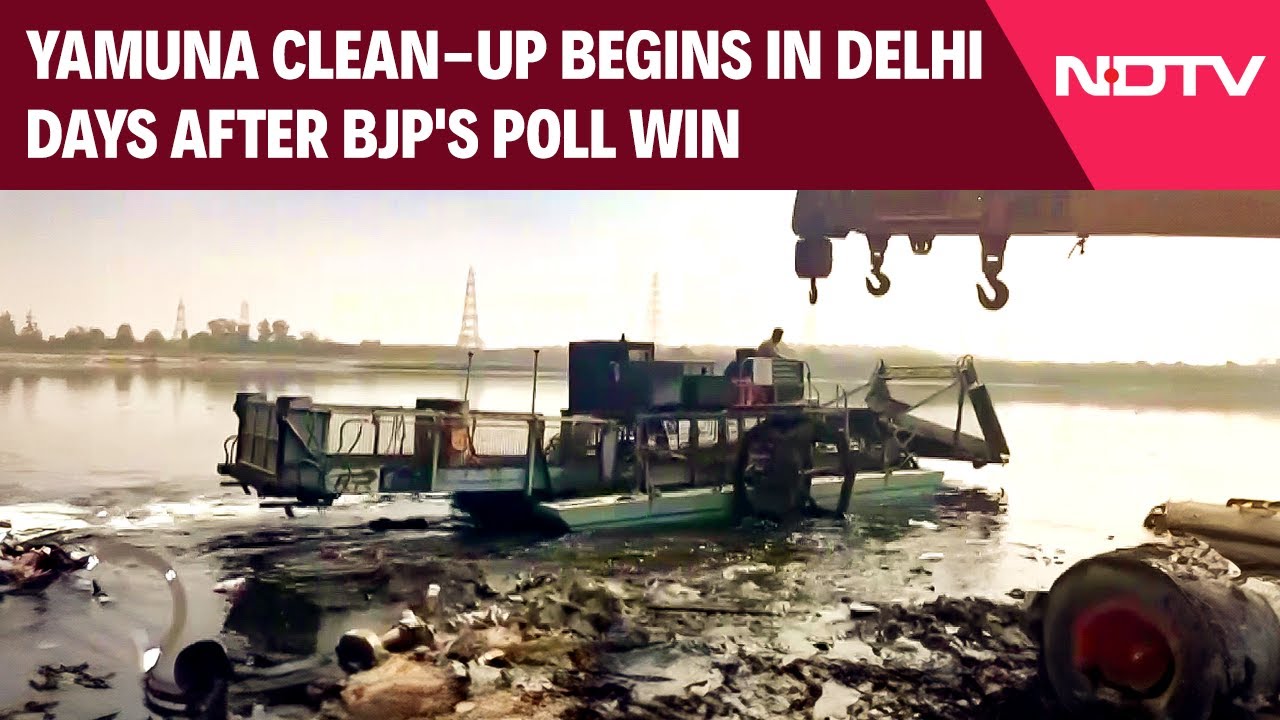
The Yamuna River, a vital waterway flowing through Delhi, has long been plagued by severe pollution. This environmental crisis has been a recurring theme in the city's political landscape, often surfacing prominently during election cycles. The recent clean-up initiative, initiated just days after the BJP's victory in the Delhi elections, underscores the complex interplay between political promises, environmental concerns, and public perception. The swift action taken by the Lieutenant Governor, VK Saxena, following a meeting with the Chief Secretary, highlights the immediate pressure to address this pressing issue. The deployment of trash skimmers, weed harvesters, and dredge utility units signifies a tangible effort to tackle the visible signs of pollution. However, the true effectiveness of this operation remains to be seen and will depend heavily on the long-term commitment and comprehensive approach taken to address the underlying causes of the river's contamination.
The 'four-pronged strategy' mentioned in the Lieutenant Governor's office statement remains vague at this stage. Without clear details about the specific components of this strategy, it is difficult to assess its potential for lasting impact. A truly effective approach must go beyond superficial cleaning measures and address the sources of pollution, which include industrial discharge, untreated sewage, and solid waste disposal. Furthermore, community engagement and collaborative efforts with neighboring states are essential, as pollution in the Yamuna is not solely a Delhi-centric problem. The river's ecological health is interwoven with the broader environment, and a comprehensive solution necessitates regional collaboration and coordinated action.
The timing of the clean-up initiative, immediately following the Delhi elections and the BJP's victory, raises questions about the political motivations behind the sudden surge in activity. While it's positive that action is being taken, it is crucial to examine whether this commitment is genuine and sustained, or merely a politically expedient response to electoral pressures. The long-term success of any environmental remediation project requires consistent funding, strong enforcement of environmental regulations, and a holistic approach that addresses the root causes of pollution. The public will be watching closely to see if the initial momentum translates into lasting change, or if the Yamuna clean-up effort is ultimately short-lived and overshadowed by future political agendas. Furthermore, the success of the operation should be measured not just by immediate visual improvements, but also through rigorous monitoring of water quality, biodiversity, and overall ecological health of the river system.
Independent oversight and transparency are crucial for ensuring the accountability and effectiveness of the Yamuna clean-up project. Regular reports on the progress of the clean-up, including water quality data, should be made publicly available. The involvement of environmental experts and civil society organizations in monitoring and evaluation is essential for ensuring that the project remains aligned with scientific best practices and reflects the concerns of the affected communities. The use of advanced technologies and innovative solutions should also be explored, including wastewater treatment technologies and sustainable waste management practices. Ultimately, the success of the Yamuna clean-up project will not only depend on the initial investment but also on the long-term commitment and collaborative efforts from all stakeholders.
The Yamuna clean-up serves as a case study in the challenges of balancing environmental priorities with political realities. The promise of a cleaner river, often made during election campaigns, must be translated into tangible and sustainable action. This requires a shift from short-term, politically motivated interventions towards long-term, scientifically informed strategies. Public awareness and community engagement are equally important to ensure that the responsibility for environmental protection is shared by all citizens. Only through sustained efforts, collaborative partnerships, and transparent governance can Delhi hope to achieve a lasting solution to the Yamuna's pollution crisis and secure a healthier environment for future generations.
Source: Yamuna Clean-Up Begins In Delhi Days After PM's Promise, BJP's Poll Win