
 |
|
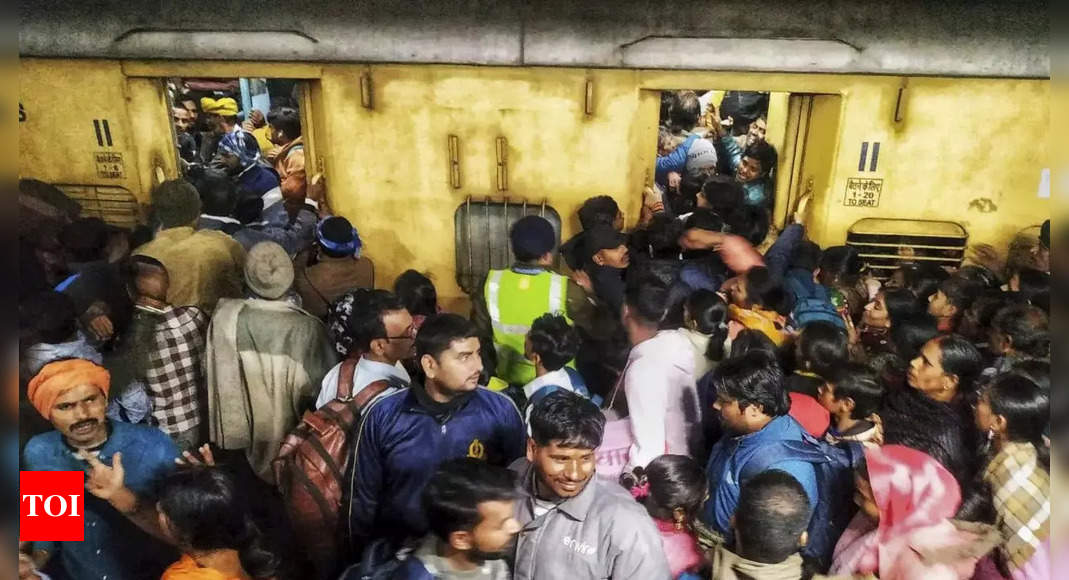
The tragic stampede at New Delhi Railway Station serves as a stark reminder of the critical need for robust crowd management and emergency preparedness in high-traffic public spaces. The incident, which resulted in numerous injuries and fatalities, exposed a multitude of systemic failures that allowed a preventable tragedy to unfold. Eyewitness accounts and social media posts clearly indicate that signs of escalating crowd congestion were evident hours before the stampede occurred, yet no proactive measures were taken by railway authorities to mitigate the risk. This inaction is a profound dereliction of duty, highlighting a critical lack of foresight and responsiveness within the railway system's operational protocols.
One of the most glaring failures was the apparent lack of effective communication between railway staff and passengers. The last-minute change in platform for at least one train added significantly to the already precarious situation, creating a surge of passengers rushing towards a single point of access. Passengers reported difficulties entering their coaches due to locked doors and a general lack of guidance from railway staff. The absence of clear announcements regarding train arrivals further compounded the chaos, leaving many passengers disoriented and contributing to the panicked surge. This lack of clear, concise communication is a critical flaw in the emergency response plan, emphasizing the need for a multi-pronged communication strategy incorporating multiple channels, including digital platforms and real-time updates.
The inadequacy of medical assistance available at the station is equally concerning. Passengers described a scene of utter chaos where stranded individuals were left to fend for themselves, relying on the kindness of strangers for help. The absence of readily available medical personnel and equipment, even during normal operating hours, suggests a fundamental lack of preparedness for emergency situations. The fact that securing basic assistance, such as a wheelchair for elderly or disabled passengers, is routinely a struggle underscores the depth of this neglect. This failure to provide adequate medical support not only exacerbated the suffering of the injured but also likely contributed to the severity of the incident. A comprehensive review of medical support systems in all high-traffic areas is clearly warranted.
Beyond communication and medical support, the incident highlighted significant deficiencies in crowd control measures. Eyewitness accounts paint a picture of overwhelming overcrowding, with platforms, bridges, and staircases completely packed with passengers, creating a virtual bottleneck that exacerbated the situation. While there are multiple access points to the station, passengers report that there was no attempt to direct the flow of the crowds, leading to a dangerous concentration of people in a confined space. The lack of proactive crowd management strategies, coupled with apparent failures in the deployment of security personnel, suggests a fundamental deficiency in the station's operational capacity and safety procedures. Implementing sophisticated crowd management systems and training security personnel in crowd dispersal techniques are crucial steps towards preventing future tragedies.
The high volume of general class tickets sold — approximately 1,500 per hour—in the period leading up to the stampede raises serious questions regarding operational responsibility. The authorities should have implemented measures to limit the influx of passengers as the platform approached capacity. This failure to proactively manage passenger volume demonstrates a clear oversight in risk assessment and proactive crowd management. Moreover, the initial response from railway officials to refute allegations of a last-minute platform change, without a complete investigation, displays a concerning lack of transparency and accountability.
The New Delhi Railway Station stampede underscores the urgent need for a comprehensive review of safety protocols and emergency response plans within the Indian Railways system. This review must encompass all aspects of operational management, from communication and crowd control to medical support and staff training. The implementation of modern crowd management technologies, improved communication strategies, and enhanced medical support infrastructure are essential to ensure that such a tragedy is never repeated. A thorough and transparent investigation, followed by swift and decisive action, is crucial not only to hold those responsible accountable but also to instill confidence in the safety and security of India's railway system.
Source: New Delhi station stampede: No steps taken despite early signs of trouble