
 |
|
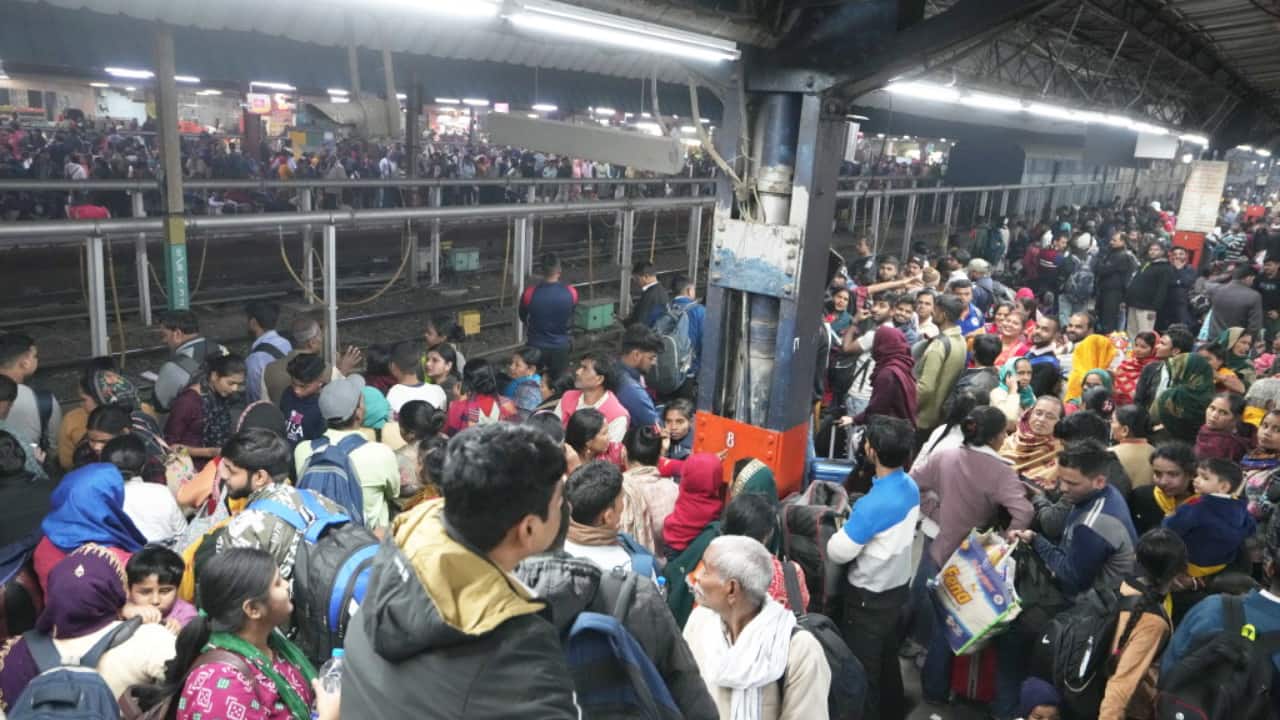
The tragic stampede at New Delhi Railway Station, resulting in 18 fatalities, highlights a critical failure in crowd management and a missed opportunity to prevent the disaster. The Indian Express's report reveals a stark pattern of escalating ticket sales in the hours leading up to the event, serving as a clear indicator of the impending crisis. The surge in demand, largely attributed to the Mahakumbh pilgrimage, placed an immense strain on the station's infrastructure and overwhelmed the existing safety protocols. The fact that 2,600 extra general tickets were sold in the mere two hours preceding the stampede points to a catastrophic oversight on the part of railway officials. This spike, added to the already high number of 7,000 general tickets usually sold daily, signifies a significant deviation from the norm and a clear call for increased vigilance and potentially, a more stringent ticketing system. This abnormal surge in demand should have triggered an immediate response from railway authorities, implementing crowd control measures and potentially halting ticket sales to prevent further overcrowding.
The failure to adequately address the burgeoning crowd extends beyond the ticketing system. While a railway official acknowledged the need for better crowd management and the inadequacy of ticket checking under the circumstances, the fact remains that a significant amount of planning and mitigation efforts seem to have been lacking. The high volume of tickets sold (54,000 on the day of the incident, only slightly less than the numbers during peak periods of Mauni Amavasya), further underscores the risk of overcrowding that the authorities were aware of or should have been aware of. The inability to check tickets effectively, due to the sheer volume of passengers, exacerbated the problem. This points to a need for a more comprehensive strategy in handling surges in passenger traffic, particularly during major events like Mahakumbh. This could involve improved infrastructure, enhanced security measures, the use of advanced technology for crowd monitoring, and perhaps the implementation of a tiered ticket system to control passenger influx.
The incident also raises serious questions about the effectiveness of existing safety protocols and emergency response mechanisms. The lack of sufficient space on trains, rendering ticket checks virtually impossible, further contributed to the chaotic environment. The reactive measures taken after the event, such as the temporary suspension of platform ticket sales and plans for 'permanent holding areas', are indicative of a largely reactive approach to crisis management rather than a proactive strategy aimed at preventing such incidents from occurring in the first place. A more comprehensive approach should involve extensive planning and training for railway staff in handling large crowds, improving communication between different departments, investing in advanced crowd management technologies, and conducting regular safety audits to identify potential risks and vulnerabilities. It also suggests a lack of coordination between different stakeholders, including local authorities responsible for transportation and crowd control.
Ultimately, the Delhi stampede serves as a grim reminder of the inherent dangers of inadequate crowd management and the devastating consequences of neglecting clear warning signs. The sheer number of extra tickets sold hours before the tragedy should have been a loud alarm bell indicating potential catastrophe. A thorough investigation into the incident, accompanied by significant changes to railway management practices, is essential to prevent similar tragedies from occurring in the future. This includes not only improved ticketing systems and enhanced crowd control measures, but also a fundamental shift toward a more proactive and preventative approach to safety and emergency preparedness. The focus should move beyond reactive measures like suspending ticket sales after the event, towards a culture of safety and risk mitigation integrated into the daily functioning of the railway system.
Source: 2,600 tickets sold in 2 hours: How Indian Railways missed warning signs before New Delhi stampede