
 |
|
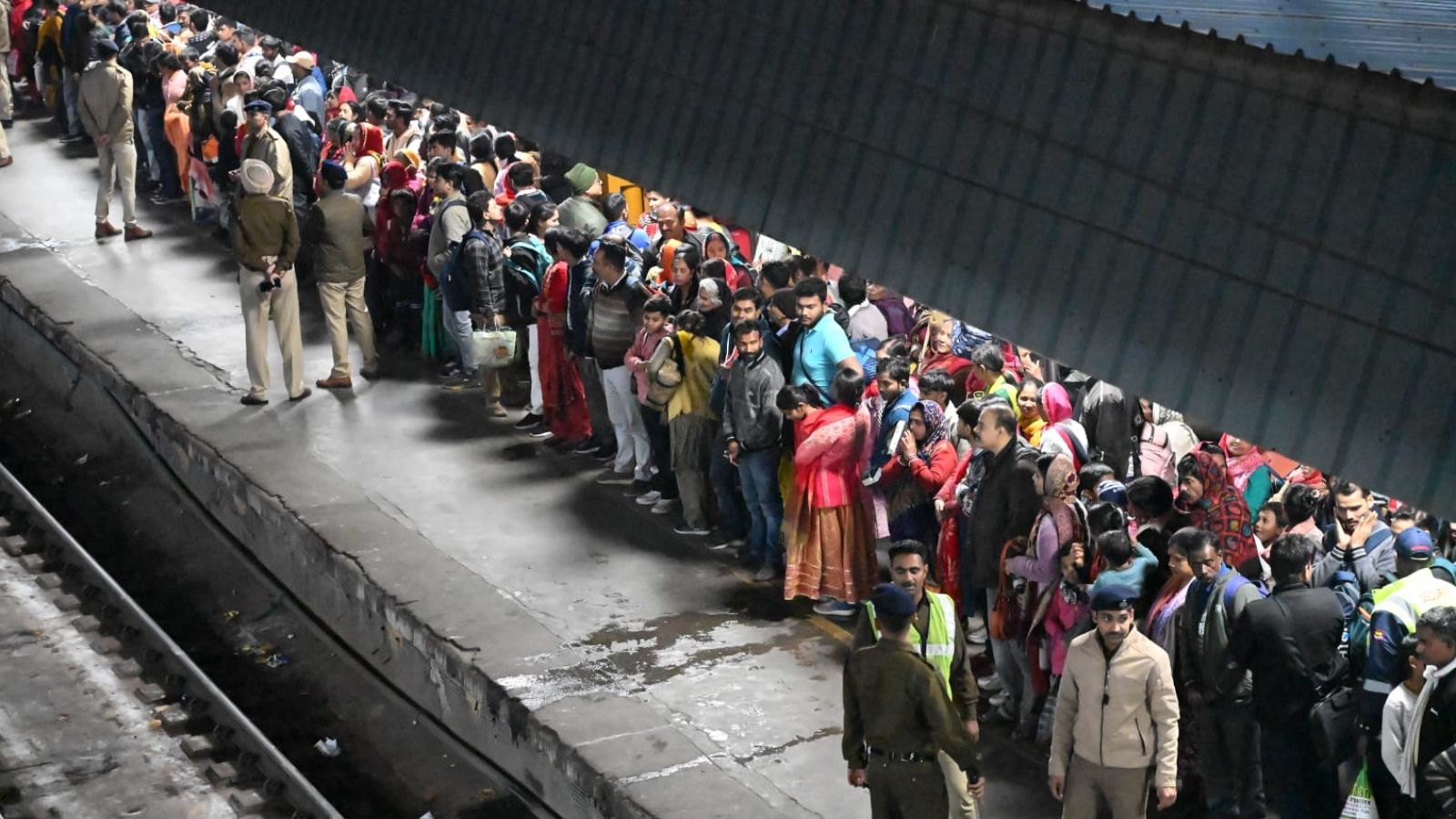
The tragic stampede at New Delhi Railway Station on February 15th, which resulted in 18 deaths and numerous injuries, highlights a critical failure in crowd management and preemptive measures by the Indian Railways. Analysis of the Unreserved Ticketing System (UTS) data reveals a telltale sign preceding the disaster: a surge of 2,600 more general class tickets sold than the daily average between 6 pm and 8 pm on the day of the incident. This significant increase, bringing the total to over 9,600 tickets booked within that two-hour window, should have served as a clear warning signal for impending overcrowding. The fact that the total number of tickets sold on that day (over 54,000) was comparable to other days does not negate the alarming concentration of ticket sales within the crucial two-hour period. This specific spike indicated potential critical mass on the platforms at a specific time, suggesting a need for immediate proactive measures.
The lack of preparedness by the railway administration is evident in their response to the escalating situation. While railway officials acknowledge the unusually high number of tickets sold, they also cite the ongoing Maha Kumbh pilgrimage to Prayagraj as a contributing factor to increased passenger traffic. However, this explanation does not justify the absence of effective crowd control measures. The statement by a senior official acknowledging that ticket checks were lax on many lines due to the Kumbh further underscores the inadequate preparedness. The inability to effectively manage the crowd, even with a potentially higher than usual number of passengers, indicates a systemic failure in operational planning and resource allocation. The argument that the actual crowd size might have exceeded the ticket sales is not a sufficient justification for inaction. In fact, the increased ticket sales themselves should have prompted proactive strategies to mitigate potential risks.
The sequence of events leading up to the stampede further exposes the shortcomings in the railway’s response. The delayed announcement of a special train for Prayagraj passengers compounded the already chaotic situation. Passengers initially attempted to board the Shiv Ganga Express, leading to overcrowding and subsequent frustration. Similar issues arose with the Magadh Express on another platform, further amplifying the pressure on the already congested platform area. The delayed and inefficient allocation of resources, specifically the late announcement of a special train designed to alleviate the pressure, exacerbated the situation, directly contributing to the escalation of the crisis and the subsequent stampede. The lack of coordination between the Railways and the Delhi Police is also apparent, with the police citing no prior warning from railway officials regarding an expected large crowd.
The deployment of security personnel, while seemingly adequate in number (60 RPF and 20 Delhi Police officers for 16 platforms), appears to have been insufficiently deployed or managed. The fact that these personnel were on their “regular duties” suggests a lack of proactive measures to adapt to the foreseeable increased passenger numbers. The post-stampede deployment of eight companies of paramilitary forces, additional RPF and Delhi Police personnel, underscores the inadequacy of the initial response. This reactive measure, implemented only after the tragedy, highlights a significant gap in both planning and emergency response procedures. A preventative strategy incorporating the increased ticket sales data and the known pilgrimage context would have likely averted the devastating incident.
The incident calls for a thorough review of the railway administration’s emergency preparedness, crowd management strategies, and inter-agency communication protocols. The reliance on ticket sales data as a key indicator for potential crowding underscores the need for improved data analysis and response mechanisms. It is crucial for the railway authorities to develop and implement more robust crowd control strategies, including effective communication strategies to inform passengers and efficiently manage passenger flow, preventing future tragedies. Moreover, improved coordination between railway and police authorities is imperative to ensure timely and effective responses to potential emergencies. The lessons learned from this tragedy must inform future operations and contribute to a safer passenger experience on India’s railways.
The recurring nature of such stampedes at New Delhi Railway Station, previously occurring during festive seasons in 2004 and 2010, is particularly concerning. The implementation of additional personnel during major festivals in the past suggests a recognition of the risk, yet this clearly proved insufficient for this situation. The focus on reactive measures, rather than proactive prevention, needs a fundamental shift. A proactive approach that emphasizes continuous monitoring of passenger volumes, real-time data analysis to identify potential risks, and effective resource allocation is crucial for preventing future disasters. The tragedy underscores the importance of a comprehensive safety review and improvement plan, including improved communication channels, enhanced crowd management strategies, and better coordination between various agencies involved.
Source: In two-hour period before Delhi stampede, a telltale sign: 2,600 extra general tickets sold