
 |
|
The political landscape of Delhi is poised for a significant shift as the Bharatiya Janata Party (BJP) prepares to install its new Chief Minister after a resounding victory in the recent Assembly elections. The culmination of this process will be a highly anticipated oath-taking ceremony scheduled for February 20th at the historic Ramlila Maidan. This event marks the BJP's return to power in the national capital after a 27-year absence, a testament to the party's recent electoral success. The ceremony promises to be a grand spectacle, drawing a considerable crowd and numerous high-profile attendees, including Prime Minister Narendra Modi himself, whose presence underscores the national significance of this political transition. The meticulous preparations underway at Ramlila Maidan, including extensive cleaning, painting, and logistical arrangements, further highlight the importance the BJP attaches to this event, aiming to create an atmosphere of celebration and unity.
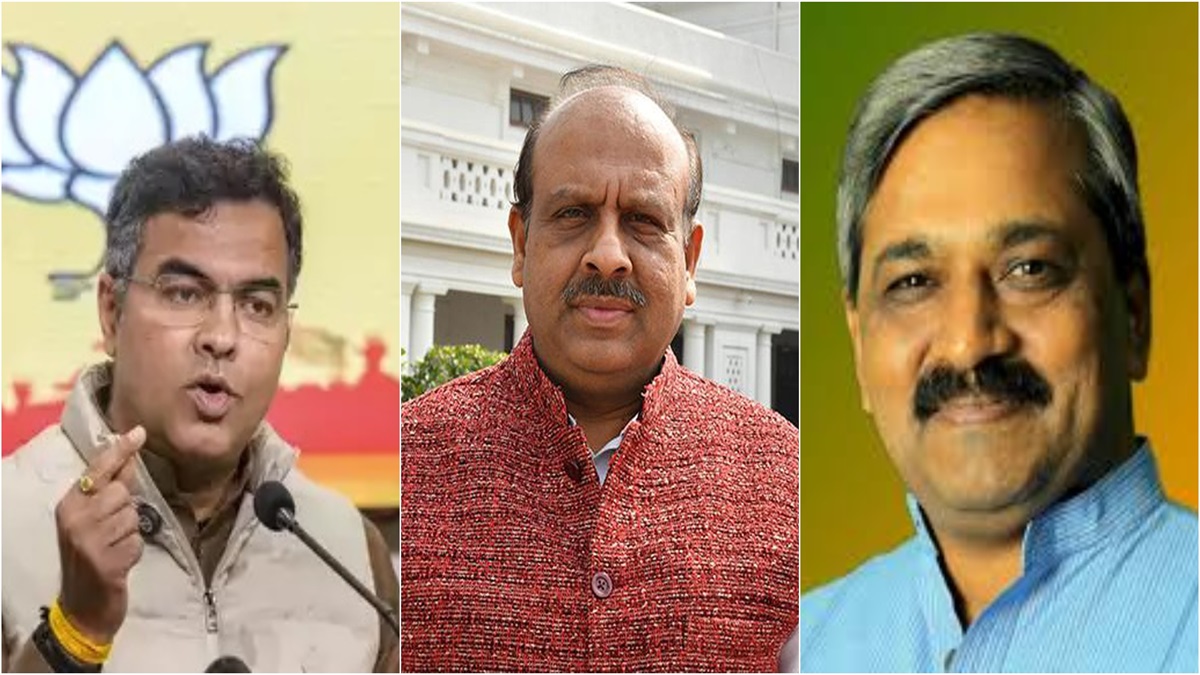
The selection process for the new Chief Minister is underway. On Wednesday, February 15th, the BJP Legislature Party will convene to formally elect their Leader of the House – a critical step that will effectively determine the next head of the Delhi government. While the name remains officially undisclosed until the announcement, numerous individuals are considered potential candidates. This list includes prominent figures like Parvesh Verma, who secured a notable victory over incumbent Arvind Kejriwal, and former Delhi BJP presidents Vijender Gupta and Satish Upadhyay. Other names circulating within party circles include Pawan Sharma, Ashish Sood, Rekha Gupta, Shikha Rai, Ravinder Indraj Singh, and Kailash Gangwal, showcasing the breadth of talent and experience within the BJP's Delhi unit. Interestingly, the possibility of a “dark horse” candidate – a less prominently discussed individual unexpectedly chosen by the party leadership – remains a distinct possibility, mirroring strategies employed in other states.
The upcoming oath-taking ceremony is expected to be a significant event, drawing a large audience and numerous dignitaries. The preparations indicate a large-scale undertaking, with seating arrangements for approximately 50,000 people including party workers, residents' welfare associations, various community groups, and religious leaders. The event's scale reflects the BJP's eagerness to project an image of strength and popular support after their recent electoral win. Three distinct stages will be constructed at Ramlila Maidan, with the central stage hosting the main ceremony, featuring the new Chief Minister, other cabinet members, the Prime Minister, the Delhi Lieutenant Governor VK Saxena, and BJP President JP Nadda. The flanking stages will accommodate additional dignitaries, including Union Ministers and Chief Ministers from other states. Importantly, the outgoing Chief Minister Atishi, and her predecessor Arvind Kejriwal, will also be invited, a gesture of political protocol despite the recent change in power.
The choice of Ramlila Maidan as the venue is significant. It's a location deeply embedded in Delhi's cultural and political history, lending an aura of tradition and grandeur to the event. This location choice underlines the BJP's intention to frame the change in government as a historic moment for Delhi. The scale of the event, with its elaborate preparations and numerous invitees, signifies the BJP's determination to celebrate this victory in a memorable and impactful manner. The event itself will likely be relatively brief, with estimates suggesting a duration of 25-30 minutes, maximizing the impact while managing the logistical challenges inherent in such a large-scale gathering. The outcome of Wednesday's meeting and the subsequent announcement of Delhi's new Chief Minister will mark a turning point in the city's political trajectory, setting the stage for a new chapter under BJP leadership.
Beyond the immediate political implications, the change in power in Delhi holds broader national significance. The BJP's victory underscores the party's growing influence across India, highlighting its ability to expand its base in diverse regions. The upcoming administration's policies and actions will be closely scrutinized not just in Delhi but across the country, impacting the overall political discourse and potential shifts in governance across the nation. The choice of the new Chief Minister, therefore, holds immense weight, potentially setting the tone for the party's approach to governance in Delhi and shaping public opinion regarding the BJP’s vision for the nation's future. This upcoming transition in Delhi presents a compelling case study of how electoral victories translate into governance, and the dynamics between national-level political parties and local administrative power.
Source: Delhi CM's name set to be announced tomorrow, oath-taking ceremony at Ramlila Maidan on Feb 20