
 |
|
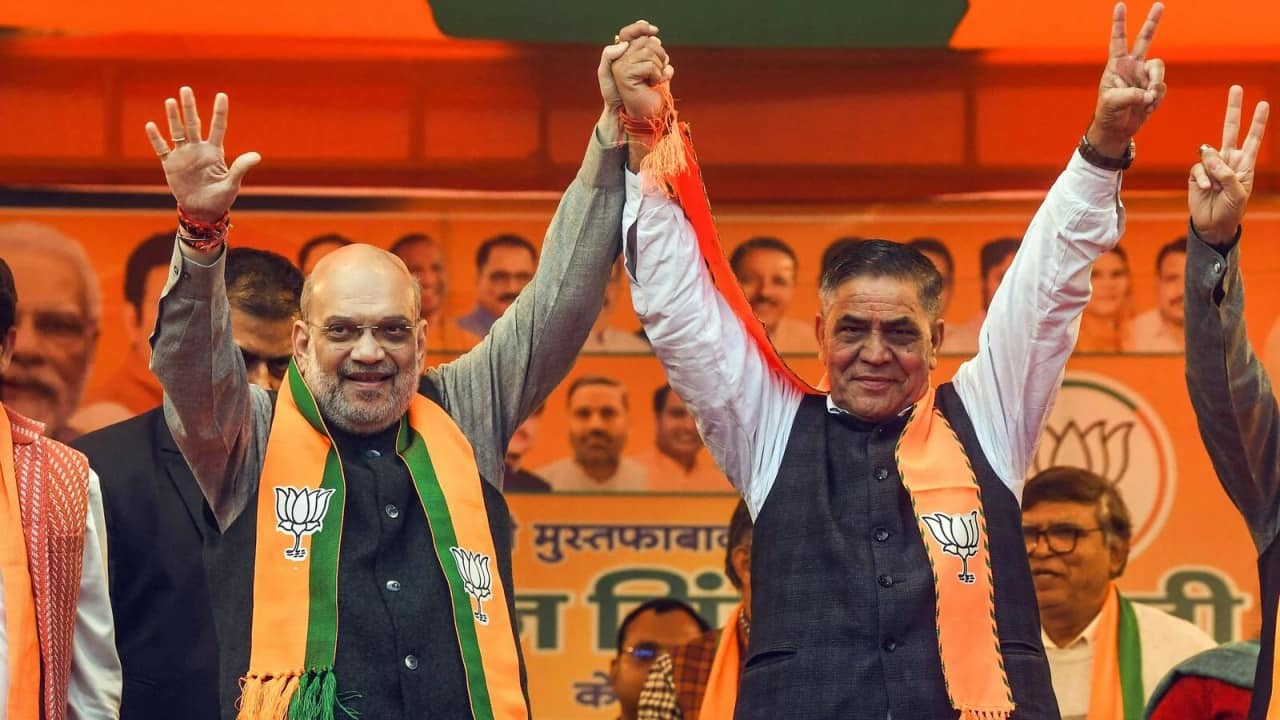
The recent Delhi Assembly elections witnessed a significant victory for the Bharatiya Janata Party (BJP), marking their return to power after more than two decades. This win, however, is not without its internal dynamics and controversies. The election of Mohan Singh Bisht, a seasoned BJP leader, as the MLA for Mustafabad, has sparked a debate surrounding the renaming of the constituency. Bisht, known for his strong stance and six previous electoral victories, has proposed changing the name of Mustafabad, a constituency with a considerable Muslim population, to either 'Shiv Vihar' or 'Shiv Puri'. This proposal, immediately met with resistance from the opposition Aam Aadmi Party (AAP), highlights the complex political and social landscape of Delhi.
Bisht's justification for the name change rests on the demographic composition of Mustafabad. He asserts that the Hindu population constitutes a larger percentage (58%) than the Muslim population (42%). This claim, while not independently verified in this article, forms the basis of his argument that the name should reflect this alleged demographic majority. This perspective, however, ignores the historical context and the established identity of the constituency. Mustafabad, with its existing name, represents a certain history and cultural identity for its residents, many of whom are likely to view this proposal as an attempt to impose a new identity that does not accurately reflect the diverse community it encompasses. The potential for such a move to cause friction and alienation among the minority community is palpable.
The AAP's response to Bisht's proposal has been swift and critical. Amanatullah Khan, the AAP's Okhla MLA, questioned the BJP's motives, suggesting the proposal is politically motivated rather than a genuine attempt to address any legitimate concerns of the residents. Khan called for a focus on positive governance and development instead of divisive actions. This highlights the deep political divide between the ruling BJP and the opposition AAP, reflecting broader national political tensions. The exchange underscores a larger debate on the role of religious identity in shaping political discourse and governance in India.
Beyond the immediate controversy, Bisht's proposal also raises deeper questions about representation and the relationship between political power and the symbolic renaming of places. The power to change a place's name carries considerable weight, potentially altering its historical significance and the sense of belonging experienced by its inhabitants. This action, therefore, requires careful consideration of its potential implications for social cohesion and community harmony. Furthermore, the suggestion of 'Shiv Vihar' or 'Shiv Puri,' names evoking explicit Hindu religious connotations, potentially erases the existing identity and history associated with the name 'Mustafabad'. The act of renaming itself becomes a statement about power dynamics and social control.
In a broader context, Bisht's proposal can be viewed within the backdrop of the BJP's recent electoral victory in Delhi. This victory represents a significant shift in the political landscape of the city. While the BJP's sweeping success may be seen as a mandate for their policies, the proposal to rename Mustafabad suggests a potential disconnect between the party's focus on inclusive governance and the actions of some of its elected representatives. The controversy generated by this proposal potentially detracts from the party's efforts to consolidate its position and could provoke further division within the already fragmented political climate of the region.
Bisht’s political ambitions also contribute to the complexities of the situation. His mention of being considered for the position of Chief Minister underscores the interplay of personal political ambitions and larger policy decisions. Such personal aspirations should ideally be secondary to thoughtful consideration of community interests. However, the proposal remains a salient point of contention, revealing the political intricacies within the BJP itself and the dynamics between the BJP and other political forces in the Delhi Assembly. This incident emphasizes the necessity for transparent and inclusive decision-making processes that prioritize the views and concerns of the affected community, not solely the political ambitions of individual party members.
The renaming debate brings forth wider questions regarding the sensitivity needed when dealing with issues relating to religious identity and community representation. It necessitates a critical examination of how such decisions should be made, and the balance between respecting established identities and reflecting changing demographics. Ultimately, the fate of the proposal remains uncertain, but the discussion surrounding it offers valuable insight into the challenges faced in building a cohesive and inclusive society in the context of India’s vibrant and often complex political landscape. The debate highlights the urgent need for open dialogue, respectful engagement with diverse perspectives, and careful consideration of the potential impacts of such actions on the affected communities.
Source: 'Shiv Vihar' or 'Shiv Puri': BJP's Mustafabad MLA Bisht proposes constituency name change