
 |
|
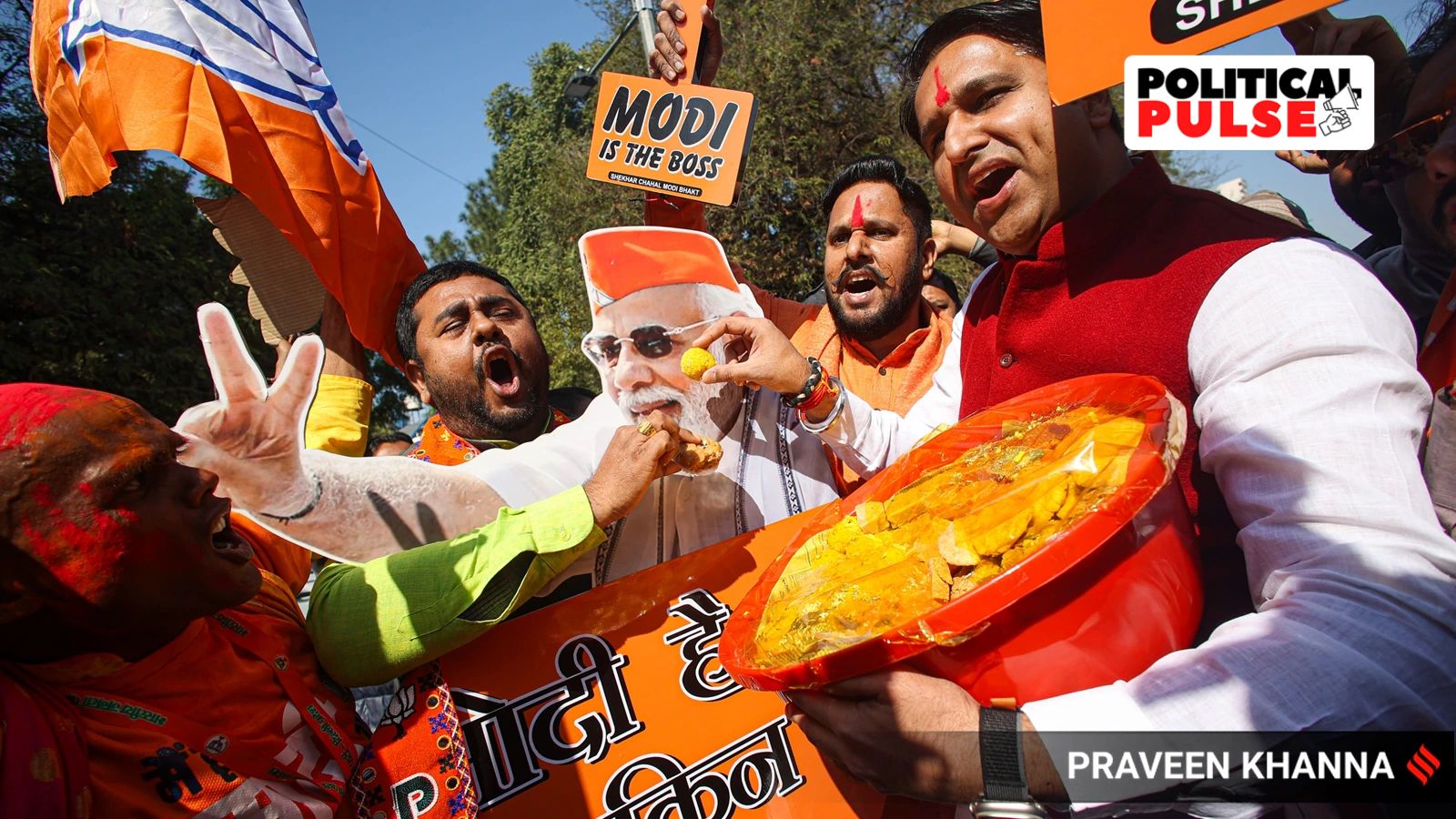
The Bharatiya Janata Party (BJP)'s victory in the Delhi Assembly elections presents a significant governance challenge. While the party is preparing to choose its Chief Minister and assume power, several pressing issues demand immediate attention. The article highlights four major challenges: fulfilling election promises, addressing Delhi's financial health, cleaning the Yamuna river, and undertaking significant urban development projects. The successful navigation of these challenges will determine the success of the new BJP government.
One of the most immediate challenges is the implementation of the BJP's key election promise to provide Rs 2,500 to eligible women beneficiaries by March 8th. Prime Minister Narendra Modi's guarantee adds considerable pressure, necessitating the rapid establishment of a disbursement mechanism. This undertaking requires not only logistical planning but also significant financial resources, which brings us to the second major hurdle: managing Delhi's finances. The outgoing Aam Aadmi Party (AAP) government's financial decisions, including the pursuit of a large high-interest loan and significant spending on subsidies, have raised concerns about the state's fiscal health. The BJP, while promising to continue existing subsidies, has also pledged additional schemes, potentially exacerbating the financial strain. Balancing these commitments with responsible fiscal management will be a delicate act.
Environmental concerns also loom large. The Yamuna river's severe pollution, a recurring campaign topic, presents a formidable challenge. Previous governments' failures to clean the river have left a legacy of pollution caused by industrial effluents and untreated sewage. The BJP’s promise to address this issue, while politically expedient, faces significant practical obstacles, requiring large-scale infrastructural improvements and strict enforcement of environmental regulations. The sheer scale of the problem requires not only a financial commitment but also a comprehensive, long-term strategy.
Urban development remains a critical area requiring urgent attention. The previous government’s alleged adversarial relationship with bureaucrats and the Lieutenant Governor led to delays in several projects, including road redevelopment and waste management. The BJP, having campaigned on a ‘double-engine’ government – controlling both the state and the Municipal Corporation of Delhi – is expected to deliver tangible improvements quickly. This necessitates substantial investments in infrastructure, including road repairs, flyovers, and the resolution of garbage accumulation issues. The party's commitment to rapid development faces not only logistical challenges but also requires effective coordination between various levels of government and efficient project management.
The BJP’s success in Delhi will hinge on its ability to effectively address these diverse challenges. The party’s promise of rapid development, echoing Prime Minister Modi's campaign rhetoric, needs to translate into concrete actions. The ability to efficiently allocate resources, implement new schemes, and address long-standing infrastructural and environmental problems will define the government’s legacy. The financial implications of the promised schemes, coupled with the necessity of aligning the state's budget with central government projects, require careful planning and execution. The successful implementation of Ayushman Bharat, a healthcare scheme rejected by the previous government, also holds significant implications for Delhi's healthcare infrastructure and access to central funding. The next few months will be a crucial testing ground for the BJP's governance capabilities in Delhi.
Furthermore, the success of the BJP government will be closely watched by other state governments and the general public. It will serve as a benchmark for the party's ability to deliver on its promises and manage complex governance challenges in a major metropolitan area. The contrast with the AAP government's performance will be a constant point of comparison, adding to the political pressure. The BJP's capacity to navigate the complex interplay of finances, environmental concerns, and urban development will be pivotal in shaping public perception and influencing its future electoral prospects. The political implications extend beyond Delhi, potentially influencing national narratives and setting precedents for governance across India. The efficiency and effectiveness of the new government will undoubtedly be a subject of intense scrutiny and public discourse.
Source: As BJP gets ready to pick Delhi CM, 4 big challenges for the new government