
 |
|
The recent Pakistan versus New Zealand cricket match was impacted by several injury concerns within both teams. While Pakistan received a positive fitness update regarding fast bowler Haris Rauf, who had previously suffered a side strain during a triangular series match involving South Africa, New Zealand faced setbacks related to all-rounder Rachin Ravindra. Rauf’s recovery allowed him to take his place in the starting XI for the Pakistan versus New Zealand match, a significant boost for the Pakistani team. His return demonstrates both the severity of the injury and the speed of his recovery, highlighting the intensive medical care and rehabilitation processes implemented within the Pakistan cricket team's medical support system. The speed of his recovery is a testament to both his physical resilience and the effectiveness of the team's medical professionals in treating these types of muscular strains.
In contrast, the New Zealand team faced a more significant hurdle with the injury suffered by Rachin Ravindra. During the earlier triangular series game, Ravindra was struck on the forehead while fielding, resulting in a significant injury that required stitches. The nature of the injury caused some concern regarding potential concussion, but reports indicate that Ravindra showed no signs of delayed concussion after subsequent assessment and observation. However, despite the reported absence of delayed concussion effects, Ravindra did not participate in the following match against Pakistan. While he was observed engaging in team support activities, carrying drinks for his teammates, his exclusion from the match underscores the cautionary approach adopted by the New Zealand coaching staff regarding head injuries. The team's priority is to manage the health of their players effectively, even if it means limiting the availability of key players for crucial matches. This cautious approach to player health reflects a broader shift in professional sports toward prioritizing long-term player welfare and minimizing the risk of long-term complications from head injuries.
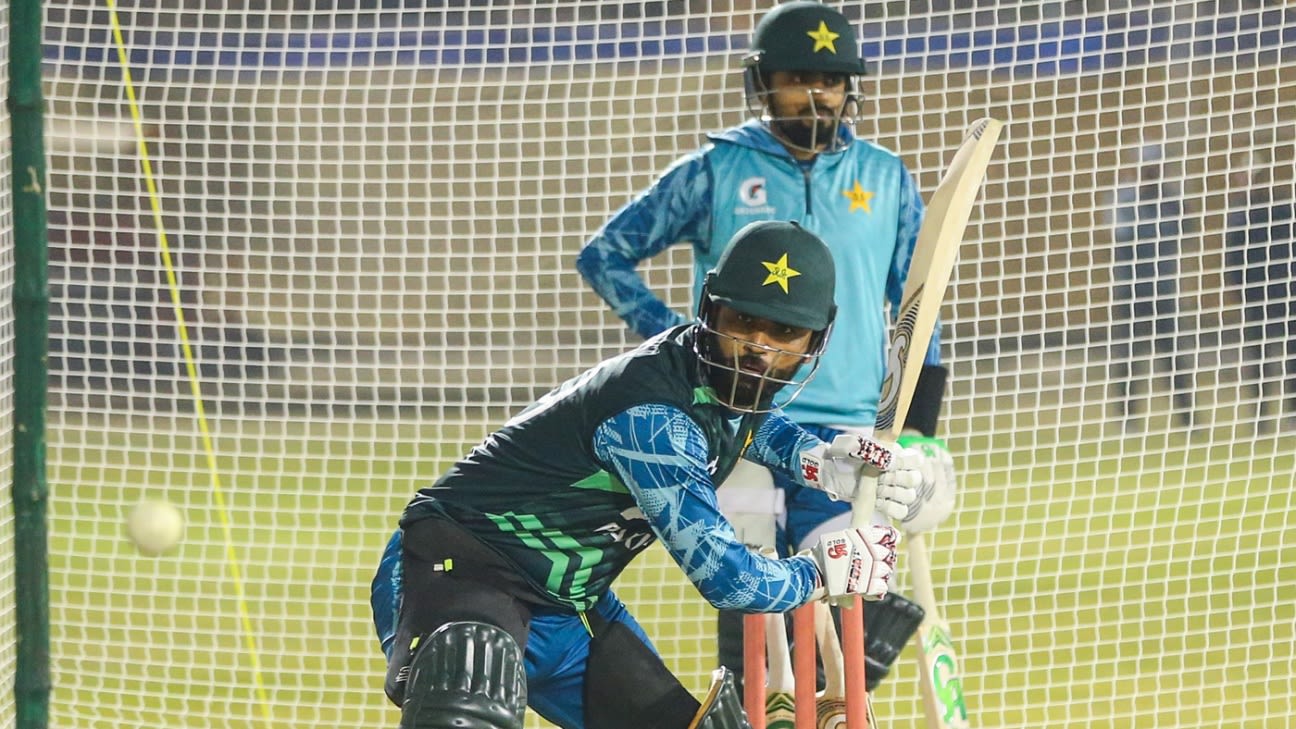
The contrasting injury situations within both teams highlight the inherent physical demands of professional cricket. The unpredictable nature of the sport often leads to injuries, ranging from muscular strains to more serious head traumas. The speed of recovery for these types of injuries varies depending on the severity and the individual’s physical response to treatment. In Haris Rauf’s case, the comparatively quicker recovery demonstrates the success of the team's medical interventions. In contrast, Ravindra’s situation illustrates the complexities involved in managing head injuries, where caution and thorough assessment are critical in ensuring the long-term health and well-being of the player. This case study also highlights the evolving understanding of concussion and the need for more conservative management protocols. The difference in approach taken by both teams underscores the variability in risk assessment and management strategies when dealing with injuries that affect athletic performance. Furthermore, the absence of details concerning the status of the injury suffered by Fakhar Zaman indicates the complexities that are part of professional sports; injuries are constantly evolving and, as such, there are ongoing uncertainties regarding the specific nature and recovery period for many injuries.
The contrasting experiences of Rauf and Ravindra serve as a case study in how teams manage player fitness. While Rauf’s quick recovery allowed him to make an immediate impact, the caution around Ravindra’s head injury showcases a responsible and preventative approach. Both scenarios, however, reveal the precarious balancing act between athletic performance and player health. The lack of detail on Fakhar Zaman's fitness highlights the fluid and ever-changing nature of the injury situation in professional sports. The team’s management strategies are constantly adapting to account for these dynamics, demonstrating a prioritization of both player wellbeing and competitive success. Further analysis of these injury reports and player recovery patterns could contribute to improved injury prevention strategies and more effective rehabilitation protocols. This, in turn, might help reduce the incidence of these injuries and hasten player recovery times, leading to a safer and potentially more competitive playing environment for athletes.