
 |
|
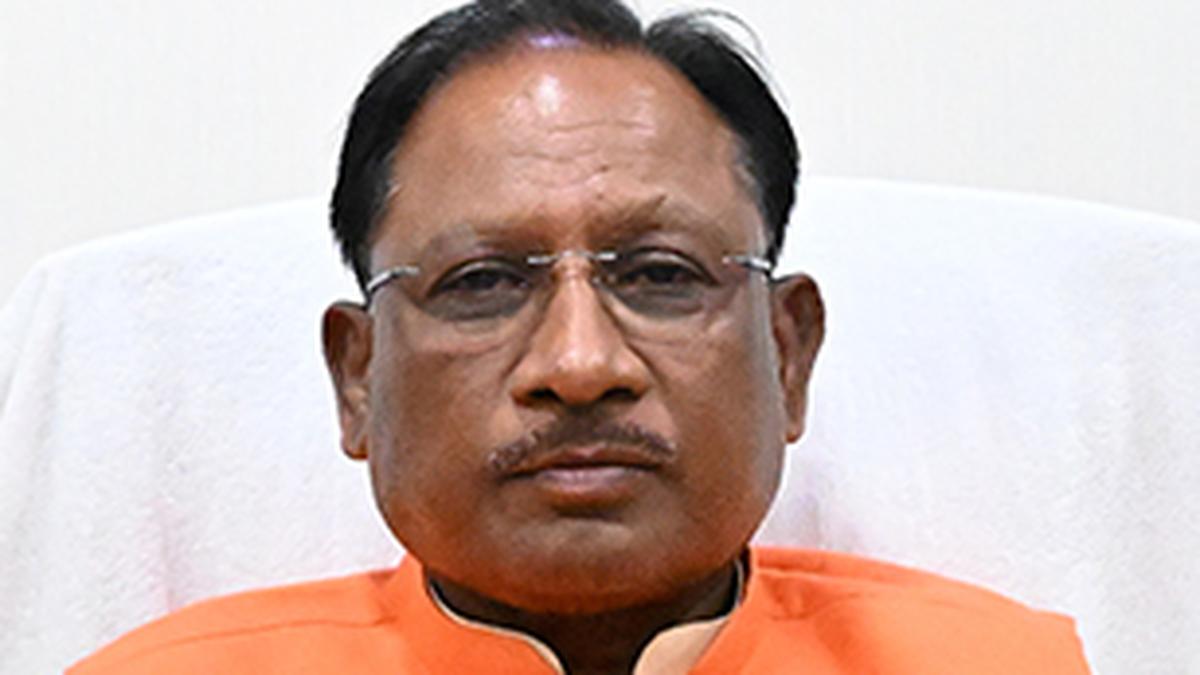
The recent statement made by Sam Pitroda, chairman of the Indian Overseas Congress, regarding India's perceived threat from China has ignited a significant political controversy. Pitroda's downplaying of the threat, reportedly stating that he doesn't understand the extent of the danger, has drawn sharp criticism from the ruling Bharatiya Janata Party (BJP), particularly from Chhattisgarh Chief Minister Vishnu Deo Sai. Sai's strong condemnation accuses the Congress party of aligning itself with separatist movements and adversaries of India, framing Pitroda's comments as part of a larger, deliberate strategy. This accusation transcends a simple disagreement on foreign policy; it paints a picture of the Congress as actively undermining national security. The intensity of Sai's response underscores the high stakes involved in the ongoing political rivalry between the BJP and the Congress.
Sai's assertion that the Congress is intentionally supporting India's enemies is a serious allegation, carrying significant political weight. He claims that the Congress's subsequent distancing from Pitroda's statement is a calculated maneuver to avoid direct accountability. By characterizing the remarks as 'personal opinions,' Sai argues, the Congress is attempting to deflect responsibility while simultaneously allowing the damage of these comments to resonate. This interpretation suggests a deliberate attempt by the Congress to appease both its domestic base and, potentially, foreign powers—a subtle yet powerful accusation that casts doubt on the party's loyalty and commitment to national interests. The implications of such an allegation are far-reaching, potentially impacting public trust in the Congress's ability to effectively handle national security matters.
The core of the controversy lies in the interpretation of Pitroda's statements and the Congress's response. While Pitroda's comments, even if unintentional, could be perceived as minimizing a significant geopolitical threat, the BJP's response is arguably more focused on exploiting the political fallout. The demand for Pitroda's expulsion from the Congress further amplifies the political maneuvering. The lack of such expulsion, according to Sai, would serve as confirmation of the BJP's allegations. This creates a political chess match where the Congress is forced to react to an increasingly aggressive narrative set by the BJP, a strategy that highlights the deep-seated tensions and the ruthless nature of Indian political discourse. The incident exposes the fragility of inter-party unity, highlighting the vulnerabilities within the Congress party in the face of such a high-profile controversy.
The broader context of this political battle is crucial to understanding the gravity of the situation. The relationship between India and China is complex and fraught with tension, especially concerning the disputed border regions. Any perceived weakness or ambiguity in India's stance toward China can be readily exploited for political gain. The BJP's aggressive response, therefore, can be seen as an attempt to capitalize on this vulnerability, painting the Congress as unreliable and potentially detrimental to India's national security. The incident also raises broader questions about the role and responsibilities of party leaders when making public statements that might have international implications. The controversy serves as a stark reminder of the delicate balance required in navigating international relations, particularly within the intensely competitive landscape of Indian politics.
The consequences of this controversy extend beyond immediate political gains or losses. It highlights the challenges faced by India in navigating complex geopolitical relationships. The incident underscores the importance of consistent and unambiguous messaging from political leaders, especially on matters of national security. Any perceived ambiguity or contradiction can be easily amplified by political opponents, leading to damaging consequences for both the party and the nation. Furthermore, the incident prompts a discussion about the role of overseas party wings and the potential for conflicting interests or interpretations of national policy. The ongoing debate serves as a case study in the intricate dance between domestic political maneuvering and the delicate art of international diplomacy within the Indian context.
Source: Congress stands with separatists, enemies of India: Chhattisgarh CM on Pitroda's remarks