
 |
|
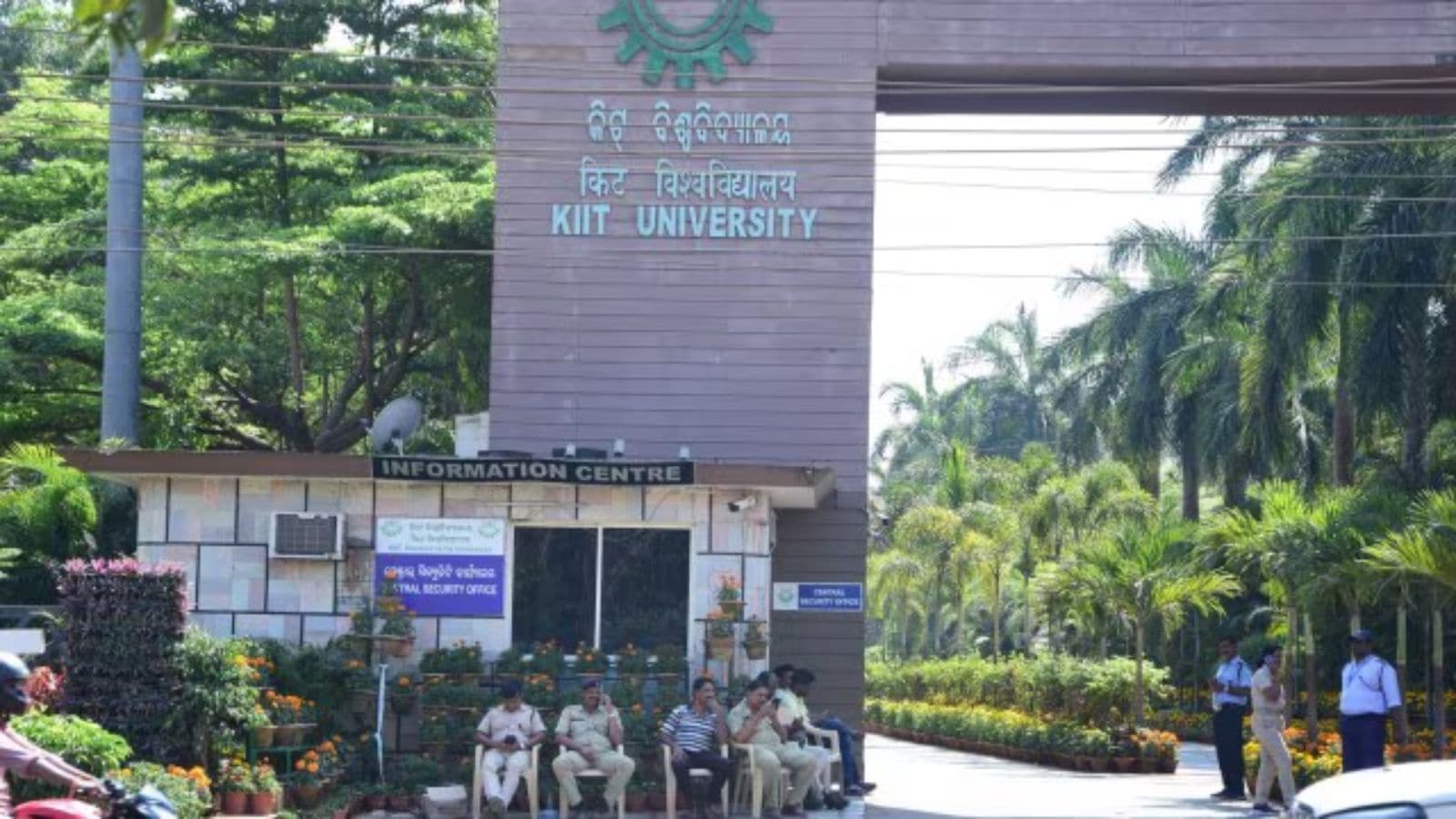
The tragic suicide of 20-year-old Prakriti Lamsal, a Nepali student at the Kalinga Institute of Industrial Technology (KIIT) University in Odisha, India, has sparked widespread outrage and protests. The incident, which unfolded over a weekend, quickly escalated into a significant international incident involving the Nepali government and ultimately led to the arrest of a fellow student, 21-year-old Advik Srivastava from Lucknow, India. The arrest came after a police investigation implicated Srivastava in Lamsal's death, alleging that he had been blackmailing her. The subsequent protests, initially involving around 500 Nepali students, highlighted concerns about the university's response to Lamsal's reported pleas for help before her death and exposed vulnerabilities within the university's system for addressing student harassment and safety concerns.
The initial response by KIIT University to the unfolding crisis was met with significant criticism. Following Lamsal's death, approximately 500 Nepali students staged protests blocking the main road leading to the university. The university's initial decision to send these protesting students home, effectively attempting to disperse the demonstration, further inflamed the situation. This heavy-handed approach provoked stronger reactions and escalated the crisis into a matter of international concern. The intervention of the Nepal Embassy in New Delhi, coupled with the personal involvement of Nepal’s Prime Minister K P Sharma Oli who dispatched two officers to the university, became crucial in forcing a course correction from KIIT. The university subsequently reversed its decision, allowing the Nepali students to remain on campus.
The police investigation revealed that Lamsal had reported harassment by Srivastava to the university's International Relations Office (IRO). According to KIIT registrar Jnyana Ranjan Mohanty, the IRO officials had intervened, counseling both students and warning Srivastava. However, the lack of any written record of this intervention raised questions about the effectiveness and thoroughness of the university's response. This lack of documentation, coupled with the allegation that Srivastava was blackmailing Lamsal, fueled the anger and protests. The FIR filed in connection with Lamsal's death directly accuses Srivastava of abetment of suicide under section 108 of the BNS. Srivastava's detention at the airport and subsequent arrest represent a significant development in the case, but the legal proceedings are only just beginning.
The incident at KIIT University has exposed several critical issues, including the university's handling of student complaints, its protocols for addressing harassment and safety concerns, and the need for clear and effective communication channels for international students. The university's initial attempt to suppress the protests and send the students home demonstrated a lack of understanding of the gravity of the situation and the importance of addressing the students' concerns. The role of the Nepal Embassy and the swift response from the Nepali Prime Minister underscores the serious implications of the incident for the bilateral relationship between India and Nepal. The university's eventual U-turn, prompted by external pressure, highlighted the need for greater transparency and accountability in handling such sensitive cases.
The case also raises broader questions about the safety and well-being of international students studying in India. KIIT, a large university with a significant international student population, has a responsibility to ensure the safety and security of its students. This incident serves as a stark reminder of the importance of robust procedures for handling harassment complaints, the need for effective student support systems, and the crucial role of open communication in preventing such tragedies. The ongoing police investigation and any subsequent legal proceedings will hopefully provide answers to several unanswered questions and hold those responsible accountable. The incident, however, serves as a cautionary tale about the need for greater sensitivity and proactive measures in ensuring the safety and well-being of all students, particularly international students who may face additional challenges while studying abroad.
The scale of the protests, the intervention of the Nepali government, and the international attention focused on the incident all underscore the seriousness of the issues involved. The university's statement promising to restore normalcy and resume academic activities indicates an intention to address the underlying problems. However, whether these promises will translate into meaningful reforms remains to be seen. The need for systemic change within KIIT and possibly other Indian universities to improve student support systems and address issues of harassment effectively is paramount. The long-term consequences of this tragedy will be felt not only within the university but also within the broader Indian education system and its international partnerships.