
 |
|
The ambitious Bengaluru tunnel road project, a cornerstone of the Karnataka State government's infrastructure plans, is facing significant challenges, as acknowledged by Deputy Chief Minister D.K. Shivakumar. This ₹8,043 crore project, aimed at alleviating the city's notorious traffic congestion, has been met with criticism from opposition parties regarding its planning, alignment, and feasibility. The rapid completion of the Detailed Project Report (DPR) in just three months, a timeframe significantly shorter than the usual nine to twelve months, has fueled concerns about potential oversights. The project encompasses twin-tube tunnels along the North-South (Hebbal to Silk Board) and East-West (K.R. Puram to Mysuru Road) axes, spanning 18 km and 22 km respectively. While the project received State Cabinet approval in August of the previous year, its implementation remains stalled due to unresolved issues related to land acquisition, financing, and technical aspects. The tender process has yet to commence, highlighting the significant obstacles that lie ahead before construction can begin. This delay further underscores the complexity of undertaking such a large-scale infrastructural project in a rapidly growing metropolis like Bengaluru.
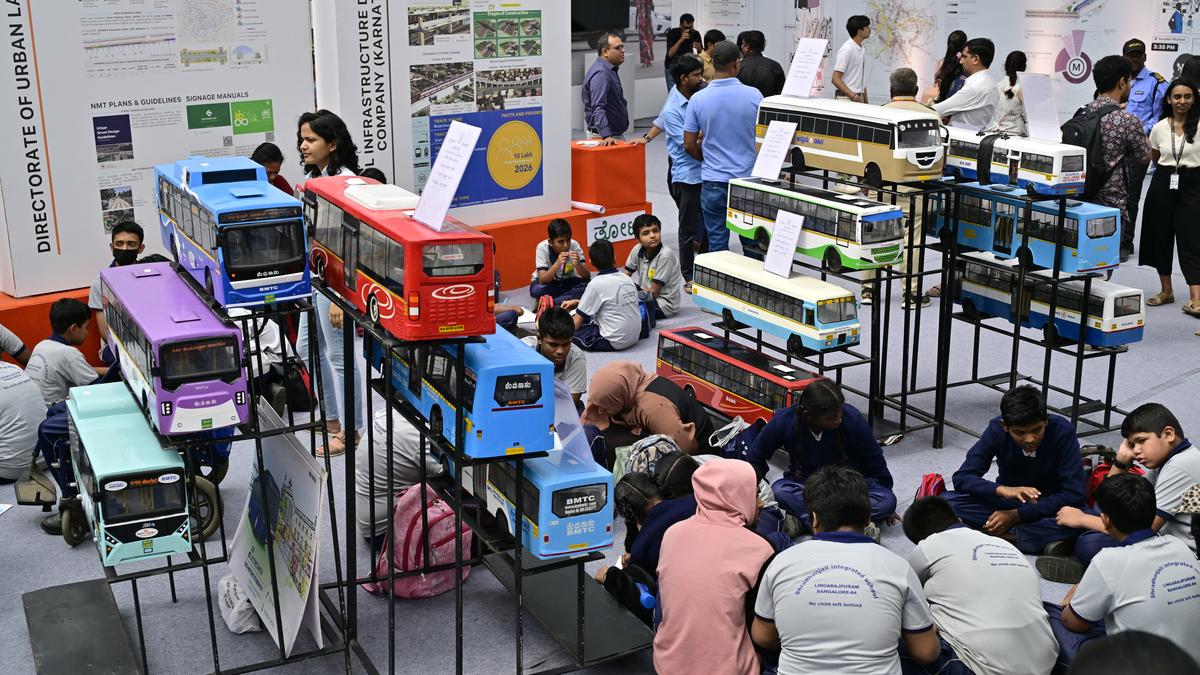
The 'Namma Raste' event, intended to address mobility issues in Bengaluru, inadvertently highlighted another major challenge facing the city: the apparent disregard for the Kannada language. The event, which showcased a handbook outlining best practices in road design, featured predominantly English signage, sparking outrage and criticism. This sparked a wider debate about language policy and cultural preservation. V. Manumurthy, an attendee, criticized the organizers for violating the BBMP's mandate requiring at least 60% of city signage to be in Kannada. The opposition BJP seized upon this perceived slight, using it to attack the Congress government for its alleged neglect of Kannada. Leader of the Opposition, R. Ashok, took to X (formerly Twitter) to condemn the government's actions, highlighting what he termed a consistent pattern of marginalizing Kannada in various aspects of public life, from KPSC question papers to educational policies. D.K. Shivakumar, while acknowledging the error, promised an investigation and disciplinary action against those responsible, underscoring the sensitive political nature of this language controversy.
Beyond the tunnel project and language controversy, the 'Namma Raste' event also served as a platform to announce significant action against the ubiquitous problem of overhead optical fiber cables (OFCs) in Bengaluru. Deputy Chief Minister D.K. Shivakumar issued a firm directive to the Bruhat Bengaluru Mahanagara Palike (BBMP) to remove all overhead OFCs and ensure their underground installation. This decision comes after a period of waiting, during which the government hoped OFC providers would voluntarily relocate their cables underground. The lack of proactive action on the part of OFC providers has forced the government to take a more assertive approach, implying the cutting of overhead cables as a last resort to compel compliance. This measure reflects the government's determination to address the city's aesthetic concerns, improve traffic flow, and enhance overall urban infrastructure. The removal and underground installation of OFCs are expected to be a substantial undertaking, requiring coordination between the BBMP and various telecommunications providers. The success of this initiative will depend on effective implementation and enforcement of the directive.
In conclusion, the 'Namma Raste' event provided a glimpse into the multifaceted challenges facing Bengaluru. The delayed tunnel project symbolizes the logistical and political hurdles inherent in large-scale infrastructure projects. The language controversy exemplifies the delicate balance between modernization and cultural preservation in a rapidly evolving city. The decision to address the OFC issue demonstrates the government's commitment to improving the city's overall aesthetic and functional infrastructure. The confluence of these issues underscores the need for careful planning, effective implementation, and a sensitive approach that addresses not only infrastructural development but also cultural preservation and effective governance. The long-term success of these initiatives will critically depend on the ability of the state government to navigate the complexities of urban development, address public concerns, and resolve the underlying challenges in an equitable and efficient manner. The coming months and years will be pivotal in determining whether the government can successfully overcome these hurdles and fulfill its promises to the citizens of Bengaluru.
Source: Shivakumar acknowledges challenges in construction of tunnel roads