
 |
|
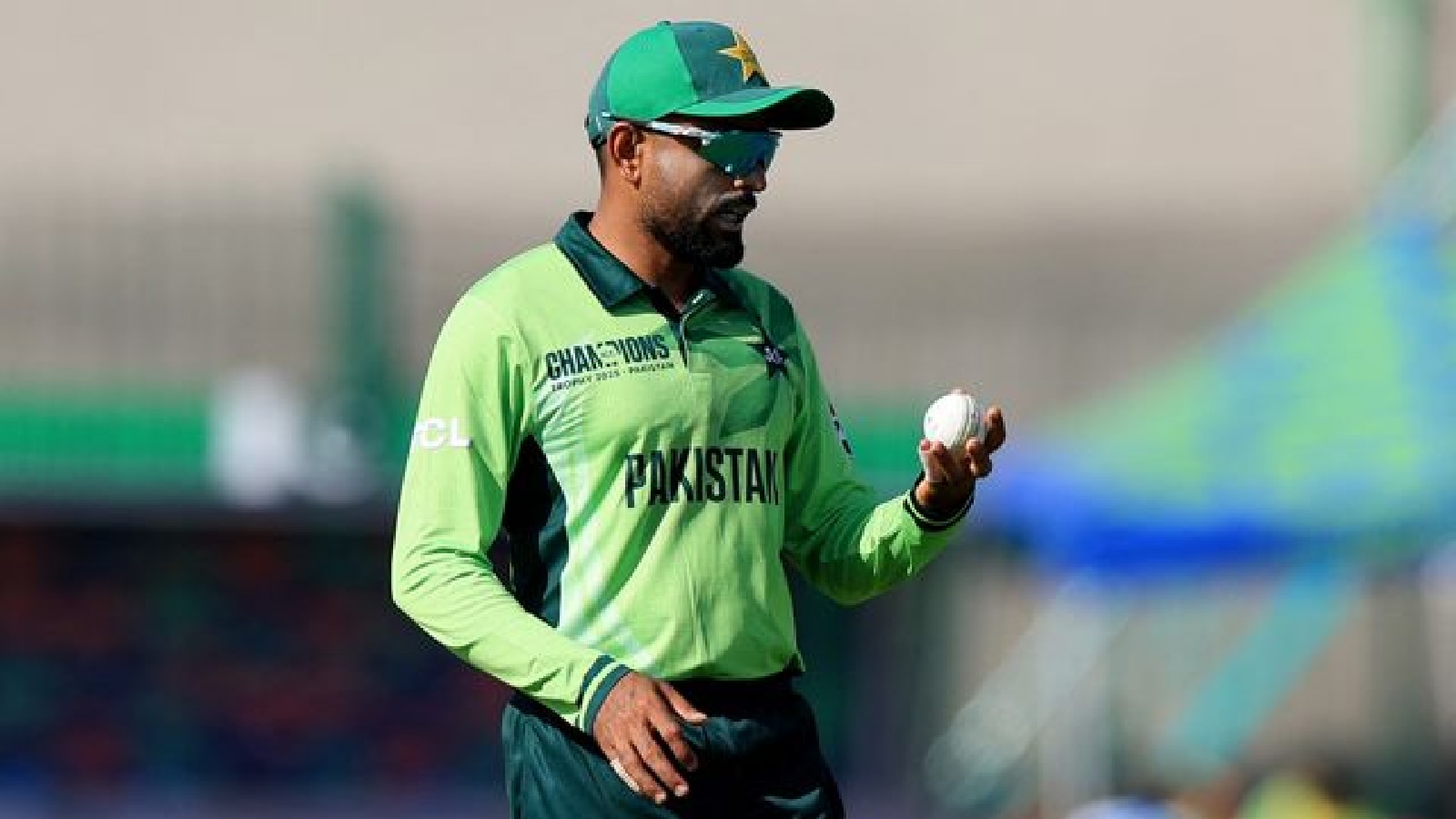
The recent cricket match between Pakistan and New Zealand in the ICC Champions Trophy has ignited a firestorm of controversy, primarily fueled by former Pakistani cricketer Basit Ali's scathing critique of captain Babar Azam's performance and, more pointedly, his perceived lack of patriotism. Azam's relatively slow 64 runs off 90 balls in a losing effort against New Zealand has become a lightning rod for criticism, with Ali leading the charge. Ali's comments, aired on Ary News’ cricket show “Har Lamha Purjosh,” didn't merely address Azam's batting technique; they went straight to the heart of his commitment to the national team. The core of Ali's argument revolves around the perceived prioritization of personal milestones over national victory. He questioned whether Azam was playing for his half-century rather than for the team's success, a sentiment captured in his pointed inquiry: “Kya wo sirf 50 ke liye khel rahe they (Was he only playing for his milestone)?” This direct challenge to Azam's dedication ignited a debate that quickly spread beyond the confines of the television studio, spilling onto social media, where Ali found himself labeled a 'traitor' by some fans for daring to criticize their cricketing hero.
The controversy extends beyond a simple assessment of Azam's batting performance. Ali's critique cuts deeper, implicating a perceived lack of nationalistic fervor on the part of the captain. The question, “Mulk phle ya Babar Azam phle (Country first or Babar Azam first)?” encapsulates the essence of Ali's argument. This isn't a mere critique of a single innings; it's a larger question about the responsibility and commitment expected from a national captain. Ali's frustration is palpable, stemming from a perceived lack of urgency and aggression in Azam's batting approach, particularly when considering the high-stakes nature of the match. The 60-run loss to New Zealand placed immense pressure on Pakistan, highlighting the significance of every run scored and the urgency required to secure a victory, especially considering their upcoming crucial match against arch-rival India. The slow innings, according to Ali, didn't reflect the pressure of the situation nor the responsibility incumbent upon the team captain. He contrasted Azam's performance with that of Salman Ali Agha, noting the higher intensity displayed by the latter. This comparison further fuels the argument about the overall team's performance and the apparent lack of commitment to achieving the win.
Ali's criticism wasn't limited to Babar Azam. He also targeted Pakistan’s vice-captain, Salman Ali Agha, for his assessment of the team's poor powerplay performance. Agha attributed the subpar start partly to the absence of Fakhar Zaman, an assessment that Ali strongly contested. Ali questioned Agha's failure to mention Azam's role in the lackluster performance, suggesting a potential reluctance to directly critique the team captain. This criticism reveals a deeper fissure within the team dynamics, suggesting a potential reluctance to hold the captain accountable for underperformance. The ensuing debate extends beyond the boundaries of simple sporting analysis. It touches upon broader issues of national pride, accountability, and the expectations placed upon national sporting heroes. The fact that Ali’s criticism has resulted in him being labeled a traitor on social media underscores the fervent emotional investment fans have in their national team and their heroes. It highlights the intense pressure and scrutiny faced by players representing their nation on the international stage. The controversy highlights the complex interplay between sporting performance, national pride, and the critical role of leadership in a high-stakes environment.
The incident underscores the intense scrutiny and pressure faced by top-level cricketers. The emotional investment fans have in their national teams often leads to polarized opinions, with criticism of star players being met with strong resistance. The debate sparked by Basit Ali’s comments will undoubtedly continue, raising essential questions about leadership, responsibility, and the pressures faced by elite athletes. It also sheds light on the dynamics of cricket culture in Pakistan, where national pride and intense emotional investment in the performance of the national team are central elements. The tension between individual performance and team success, and the complexities of leadership in a high-stakes sporting environment are all underscored by this incident. The long-term impact of this controversy remains to be seen, but it's certain to have significant repercussions for the players involved and the team's morale leading up to their crucial match against India. The controversy also raises questions about the need for a healthy balance between criticism and blind support for national sporting heroes.
Source: Basit Ali questions Babar Azam’s patriotism: ‘Mulk phle ya Babar Azam’