
 |
|
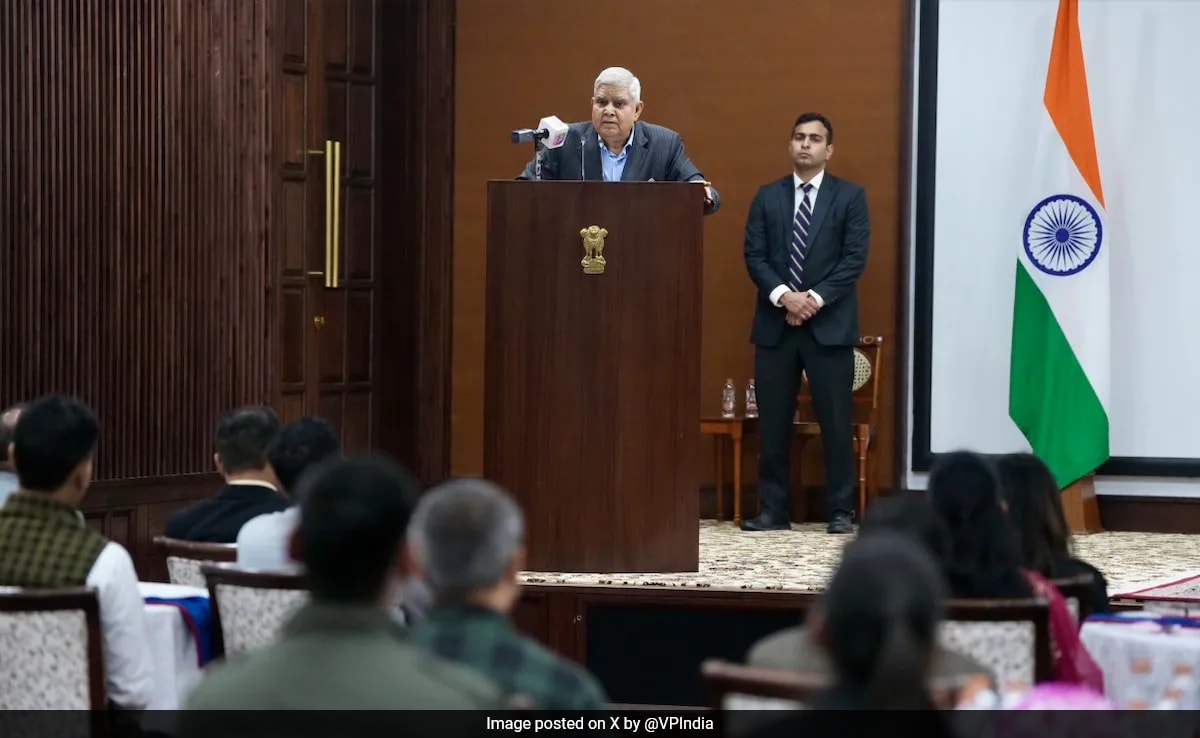
The recent adoption of the Uniform Civil Code (UCC) in Uttarakhand, India, has ignited a firestorm of debate and controversy across the nation. This landmark decision, making Uttarakhand the first state to implement a UCC, has been hailed by the ruling Bharatiya Janata Party (BJP) as a significant step towards national unity and gender equality. However, opposition parties and various religious groups have voiced strong concerns, arguing that the UCC undermines religious freedoms and cultural diversity. The Vice President of India, Jagdeep Dhankhar, expressed optimism, predicting that the entire country would soon follow suit. This statement underscores the BJP's ambitious plans to implement a nationwide UCC, a core promise in their 2024 election manifesto. The implementation of the UCC in Uttarakhand itself has been met with mixed reactions, with the state government emphasizing its aim to eliminate discriminatory practices, while critics express concerns about the potential infringement of personal liberties and religious customs.
The core of the debate revolves around Article 44 of the Indian Constitution, which directs the state to secure for its citizens a uniform civil code. This provision, however, is considered a directive principle of state policy, not a legally binding requirement. This ambiguity has allowed for differing interpretations and approaches. Proponents of the UCC argue that a uniform code is essential for national integration, gender equality, and the eradication of discriminatory practices embedded within various personal laws. They point to instances where religious personal laws have led to unequal treatment, particularly affecting women. The argument for uniformity emphasizes the creation of a more equitable and just society by replacing the current system of diverse personal laws governing matters like marriage, divorce, inheritance, and adoption with a single, standardized framework.
Conversely, opponents argue that the UCC infringes upon the fundamental right to freedom of religion, guaranteed under Article 25 of the Constitution. They contend that the imposition of a uniform civil code would lead to the suppression of religious and cultural identities, particularly impacting minority communities like Muslims and Christians who have distinct personal laws based on their religious tenets. The concerns are particularly acute regarding Islamic personal law, Sharia, which governs aspects of marriage, divorce, and inheritance within the Muslim community. Critics fear that the UCC would force the abandonment of deeply entrenched religious practices and traditions, thereby undermining religious pluralism and social harmony. The lack of widespread consultation and engagement with affected communities before the implementation of the UCC in Uttarakhand further fuels these concerns, raising questions about inclusivity and democratic processes.
The political implications of the UCC are equally profound. The BJP's commitment to implementing the UCC nationwide positions it as a key element of their agenda and a contentious issue in the Indian political landscape. While the BJP has argued that the UCC is essential for national unity and progress, opposition parties have accused the ruling party of using the UCC as a tool to consolidate power and suppress minority voices. The debate surrounding the UCC has intensified existing political divides, highlighting the complex interplay between religious identity, personal freedoms, and the role of the state in regulating personal matters. The success or failure of the UCC in Uttarakhand will undoubtedly influence the political trajectory of this issue on a national level. The potential for widespread unrest and social tensions remains a significant concern, given the deep-seated religious and cultural sensitivities involved.
The debate surrounding the UCC highlights the fundamental tension between the desire for national unity and the protection of individual rights and cultural diversity. Finding a balance between these competing interests presents a significant challenge for policymakers in India. The long-term consequences of implementing a UCC remain uncertain, but its adoption in Uttarakhand marks a significant turning point in this complex and deeply sensitive debate. The coming years will reveal the full impact of this decision and the extent to which it shapes the social, cultural, and political landscape of India. Continued dialogue, open engagement, and a commitment to inclusive governance will be essential in navigating this complex issue.
Source: "Matter Of Time Entire Country...": Veep After Uttarakhand Adopts Uniform Civil Code