
 |
|
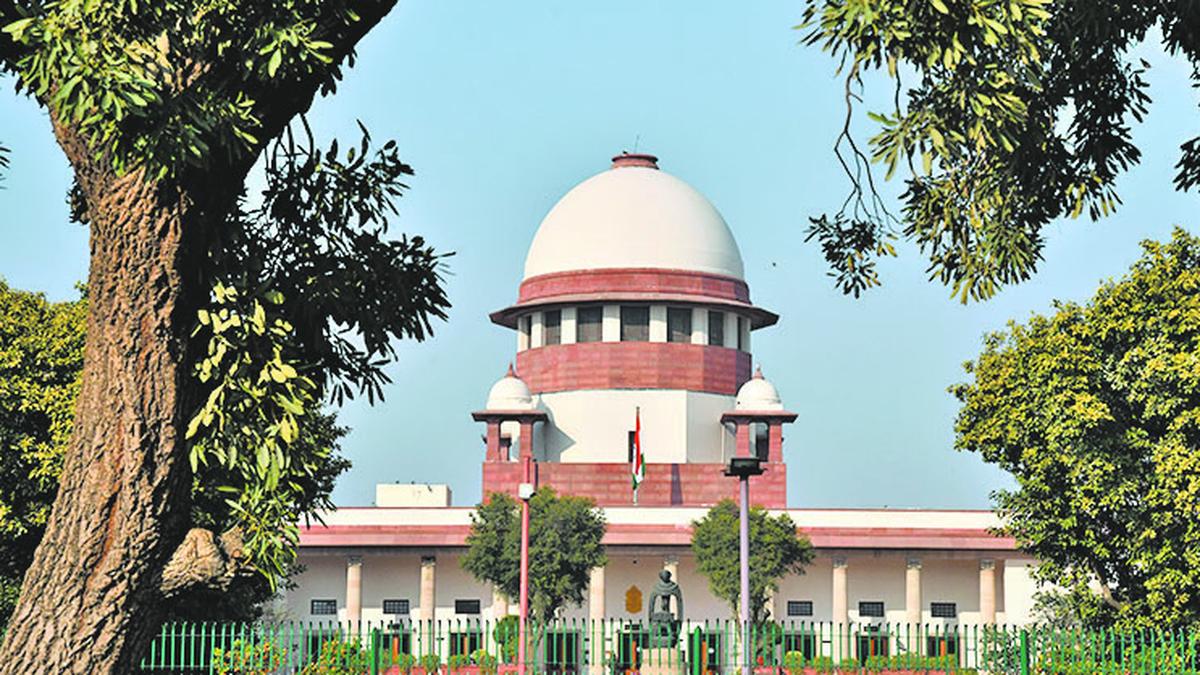
The Supreme Court of India intervened in the ongoing controversy surrounding the Anna University sexual assault case, issuing a stay on the Madras High Court's December 28, 2024, order. The High Court's ruling implicated the Chennai Police Commissioner and other officials in the leak of the First Information Report (FIR) and sensitive details identifying the survivor. This leak, occurring after the December 24, 2025, incident on the university campus, sparked significant public outrage and raised concerns about the handling of the investigation from its inception. The Supreme Court's decision, handed down on January 27, 2025, temporarily suspends the High Court's findings, preventing the implementation of its directives until further review. This includes halting the departmental inquiries against the implicated officials, a move that has significant ramifications for accountability and transparency within the Chennai Police department.
The Madras High Court's critique centered on the Police Commissioner's conduct in holding a press conference two days after the assault. The court noted that the Commissioner's disclosure of vital information, including the scene of the crime and the assertion that only one accused was involved, lacked prior governmental authorization and potentially compromised the integrity of the investigation. Furthermore, the High Court censured the language used in the initial FIR, characterizing it as victim-blaming, an assessment that adds another layer of complexity to the already contentious situation. This condemnation highlights concerns about potential biases within the initial police response and the possible retraumatization of the survivor through the dissemination of potentially harmful information. The High Court’s judgment underscored the importance of protecting the identity and well-being of sexual assault survivors, a principle that is central to both legal proceedings and the broader discourse surrounding sexual violence.
The State government, represented by senior advocates Mukul Rohatgi and Siddharth Luthra, argued that the information leak was an unintended consequence of a “technical glitch” within the Crime and Criminal Tracking Network and Systems (CCTNS) managed by the central government. They attributed the incident to the ongoing migration from the Indian Penal Code (IPC) to the new Bharatiya Nyaya Sanhita, 2023, a technological transition that seemingly exposed the sensitive information inadvertently. Mr. Rohatgi further contended that the Police Commissioner's press conference was an attempt to de-escalate rising tensions, rather than a deliberate attempt to disclose sensitive details. This explanation, however, was met with counterarguments from advocate Balaji Srinivasan, representing the original petitioner in the High Court, R. Varalakshmi. Srinivasan countered that the information was suppressed only after the survivor's identity was widely publicized, highlighting the potential for further investigation into the alleged political motivations behind the handling of the case. The assertion that the alleged offender is a member of the ruling party and has a history of criminal activity adds fuel to the fire, raising serious concerns about potential interference and bias within the investigative process.
The Supreme Court's decision to stay the Madras High Court’s order temporarily suspends the investigation into the conduct of the police officials involved in the leak, highlighting the complexities of balancing accountability with the ongoing investigation into the original sexual assault. The creation of an all-woman Special Investigation Team (SIT) to handle the case, a step not contested by the State government, reflects an effort to assure a thorough and impartial investigation that prioritizes the well-being of the survivor. The question of whether details about the survivor are still circulating online remains a significant concern. While the State claims measures have been taken to block the dissemination of sensitive information, the persistence of such material online underscores the challenges in protecting the privacy and safety of sexual assault victims in the digital age. The ongoing investigation into the leak itself and the original assault represents a crucial test for the Indian judicial system, particularly in the context of how authorities address allegations of sexual violence and the protection of survivors' rights in the face of potential political influence and technological vulnerabilities.
The case raises critical questions about police procedure, the protection of vulnerable witnesses, and the role of technology in both facilitating and hindering justice. The debate regarding the responsibility for the FIR leak highlights the intricate interplay between different levels of government, technological infrastructure, and the potential for human error to compromise the integrity of investigations. The political implications of the case, underscored by the alleged affiliation of the accused, further complicate matters. The Supreme Court's decision to temporarily halt the investigation into the leak underscores the need for careful consideration and a thorough review of the evidence before determining responsibility. The final outcome of the case will have far-reaching consequences for both the legal system and the larger conversation surrounding sexual assault in India. The case underscores the vulnerability of survivors, the potential for institutional failures in protecting them, and the necessity for robust mechanisms to ensure accountability and justice.