
 |
|
India's 76th Republic Day celebrations unfolded on Sunday in New Delhi with the customary grandeur and patriotic fervor. The annual parade, a spectacle of national pride and cultural diversity, featured a vibrant array of state tableaux, captivating dances, and a powerful display of the nation's military strength. This year's event held particular significance, marked by several unique and noteworthy moments that set it apart from previous celebrations. The presence of Indonesian President Prabowo Subianto as the chief guest added an international dimension to the festivities, underscoring India's growing global partnerships.
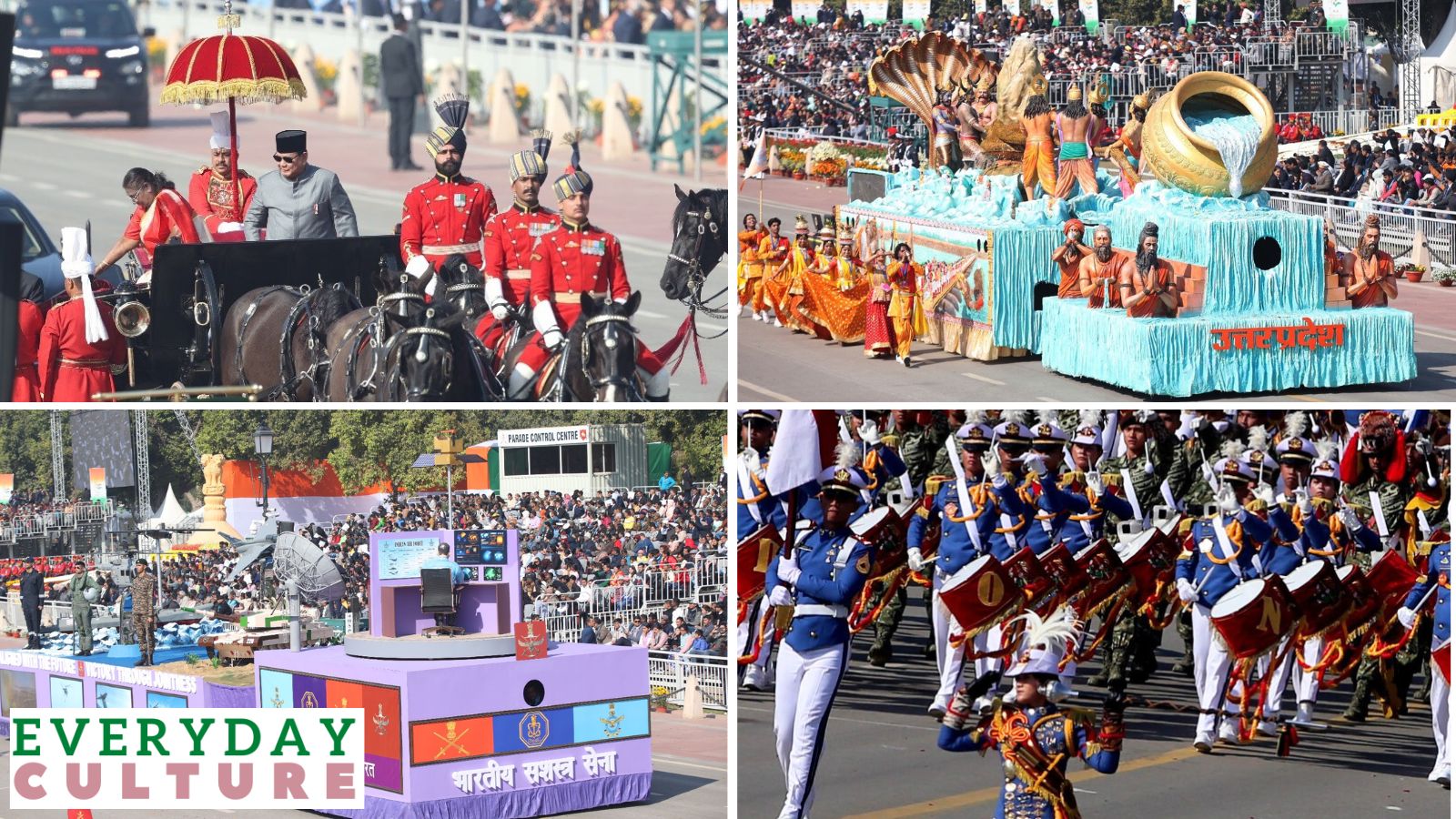
One of the most striking aspects of this year's parade was the return of the traditional horse-drawn buggy for the President's arrival. President Droupadi Murmu, along with her Indonesian counterpart, were escorted by the President's Bodyguard, the Indian Army's most senior regiment, in a gold-plated, black carriage adorned with the national emblem. This harkened back to a tradition that had been discontinued since 1984, following the assassination of Prime Minister Indira Gandhi. The decision to reinstate the buggy signifies a symbolic return to tradition and adds a touch of historical resonance to the proceedings. Its revival also underscores the significance of the President's role in the nation's ceremonial events and her prominent participation in the heart of the Republic Day celebrations. The juxtaposition of the historical buggy with the modern military hardware showcased a fascinating blend of India’s past and present.
The parade's tableaux provided a captivating showcase of India's rich cultural tapestry. Uttar Pradesh's tableau depicted the ongoing Kumbh Mela, portraying the vibrant scenes of sadhus and the legend of Samudra Manthan. Madhya Pradesh highlighted its cheetah reintroduction project, showcasing these magnificent animals in the Kuno National Park. Andhra Pradesh presented 'Etikoppaka Bommalu,' highlighting the state's eco-friendly wooden toys. This representation of diverse state cultures not only showcased regional uniqueness but also reflected the nation’s commitment to preserving its heritage and natural resources. The selection process for these tableaux, overseen by the Ministry of Defence, reflects a careful curation of India's cultural diversity and the government's prioritization of showcasing its multifaceted identity to the world.
A landmark moment in this year's parade was the debut of the first-ever tri-services tableau, themed 'Shashakt aur Surakshit Bharat' (Strong and Secure India). This tableau offered a compelling visual representation of the synergy and coordinated operations between the Indian Army, Navy, and Air Force. It showcased a joint operations room, highlighting the advanced communication and networking capabilities that facilitate seamless inter-service collaboration. The tableau also featured indigenous military hardware, including the Arjun Main Battle Tank, Tejas MKII fighter aircraft, Advanced Light Helicopter, INS Visakhapatnam destroyer, and a Remotely Piloted Aircraft. This coordinated display symbolized the increasing emphasis on integrated theatre commands and the pursuit of multi-domain operational capabilities, reflecting a significant shift in India's defense strategy and its commitment to modernizing its armed forces. The successful execution of this tableau demonstrates a unified image of strength and a coordinated approach to national security.
Finally, the participation of an Indonesian contingent, marking the first time an Indonesian military unit has participated in the Republic Day parade, further enhanced the significance of this year’s event. This reflected the strong and growing bilateral relations between India and Indonesia and the increased strategic partnership between the two nations. The inclusion of the Indonesian contingent symbolized a deepening relationship between the two nations, and a concerted effort to showcase stronger diplomatic ties to a global audience. The 352-member strong marching and band contingent made for a vibrant addition to the parade, showcasing the shared commitment to international collaboration and a deeper understanding between India and Indonesia. This highlights the evolving global dynamics and India's proactive role in fostering positive international relationships.
In conclusion, India's 76th Republic Day parade was a resounding success, characterized by its unique blend of tradition and modernity. The use of the President's buggy, the diverse state tableaux, the debut of the tri-services tableau, and the presence of the Indonesian contingent all contributed to creating a memorable and significant event. The parade not only celebrated India's rich cultural heritage and military prowess but also underscored its growing global influence and strategic partnerships. The careful selection and presentation of these elements showcase the government's strategic communications in terms of portraying India's image on the world stage. The event served as a potent symbol of national pride, unity, and a confident stride into the future.
Source: President Murmu’s buggy, first tri-services tableau: 4 highlights of the Republic Day parade