
 |
|
The Maha Kumbh Mela, a massive Hindu pilgrimage, is a spectacle of faith and devotion that unfolds every twelve years. Within this grand event, certain days hold particular significance, and Mauni Amavasya stands out as one of the most sacred and pivotal moments. Falling on a new moon day during the month of Magh (January-February), Mauni Amavasya is considered an exceptionally auspicious time for spiritual practices and purification. This year, its convergence with the Kumbh Mela amplifies its importance, drawing millions of devotees to the sacred rivers where the mela is held. The confluence of celestial and terrestrial energies is believed to enhance the spiritual efficacy of actions performed during this period.
The name itself, 'Mauni Amavasya,' hints at its essence. 'Mauni' means silent, and 'Amavasya' signifies the new moon. The day is characterized by a profound sense of silence and introspection. Devotees often observe a vow of silence, focusing their energies on self-reflection and spiritual cleansing. The silence is not just a physical act but a deep inward journey, a turning away from the clamor of the external world to engage with the inner self. This deliberate quietude is believed to create a space for profound spiritual experience and connection with the divine. The darkness of the new moon is symbolically linked to the inner darkness that needs to be shed, replaced by light and spiritual clarity.
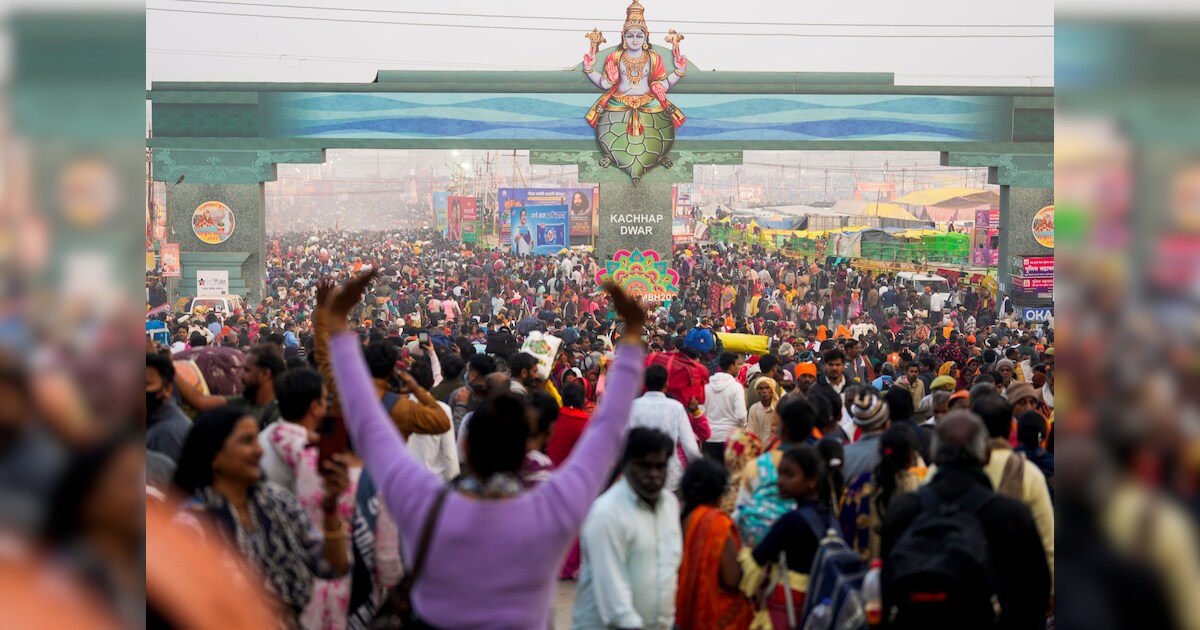
The significance of Mauni Amavasya in the context of the Maha Kumbh Mela is multifaceted. It's believed that taking a holy dip in the sacred rivers – such as the Ganga (Ganges) – on this day washes away sins and liberates one from the cycle of birth and death. Millions of pilgrims converge at the designated ghats (river steps) to participate in this ritual, creating a breathtaking and deeply moving scene. The sheer scale of the gathering, coupled with the spiritual significance of the day, makes it an unparalleled event of faith and devotion. The immersion in the river is not merely a physical act; it is seen as a symbolic purification of the soul, a cleansing from both karmic burdens and the impurities of the mundane world.
The spiritual practices undertaken during Mauni Amavasya extend beyond the holy dip. Many devotees engage in rigorous austerities and meditations, seeking deeper spiritual realization. Some undertake charitable acts, believing that such selfless deeds enhance their spiritual merit. Others observe fasts, further strengthening their resolve for self-purification and spiritual growth. The day is a powerful reminder of the importance of self-discipline, self-reflection, and the pursuit of spiritual enlightenment. It encourages a turning inward, a questioning of one’s own values and actions, and a striving towards a more virtuous life.
The Maha Kumbh Mela itself is a vast and complex event, involving not only religious rituals but also a vibrant display of cultural diversity and communal harmony. Mauni Amavasya serves as a focal point, highlighting the deep spiritual core of this grand event. It’s a time when faith and devotion reach their peak, creating an atmosphere of profound reverence and spiritual intensity. The scenes witnessed during Mauni Amavasya at the Maha Kumbh Mela are etched in the memory of those who witness them, a testament to the power of faith and the enduring significance of this sacred day.
In conclusion, Mauni Amavasya during the Maha Kumbh Mela represents a unique convergence of celestial cycles, religious practices, and profound spiritual aspirations. It provides an opportunity for millions to participate in acts of purification, self-reflection, and communal devotion. Its significance extends beyond the immediate religious context, offering a glimpse into the rich tapestry of Hindu faith and the enduring power of collective spirituality. The event's sheer scale and profound spiritual impact continue to fascinate and inspire, illustrating the human desire for spiritual cleansing and connection with the divine.