
 |
|
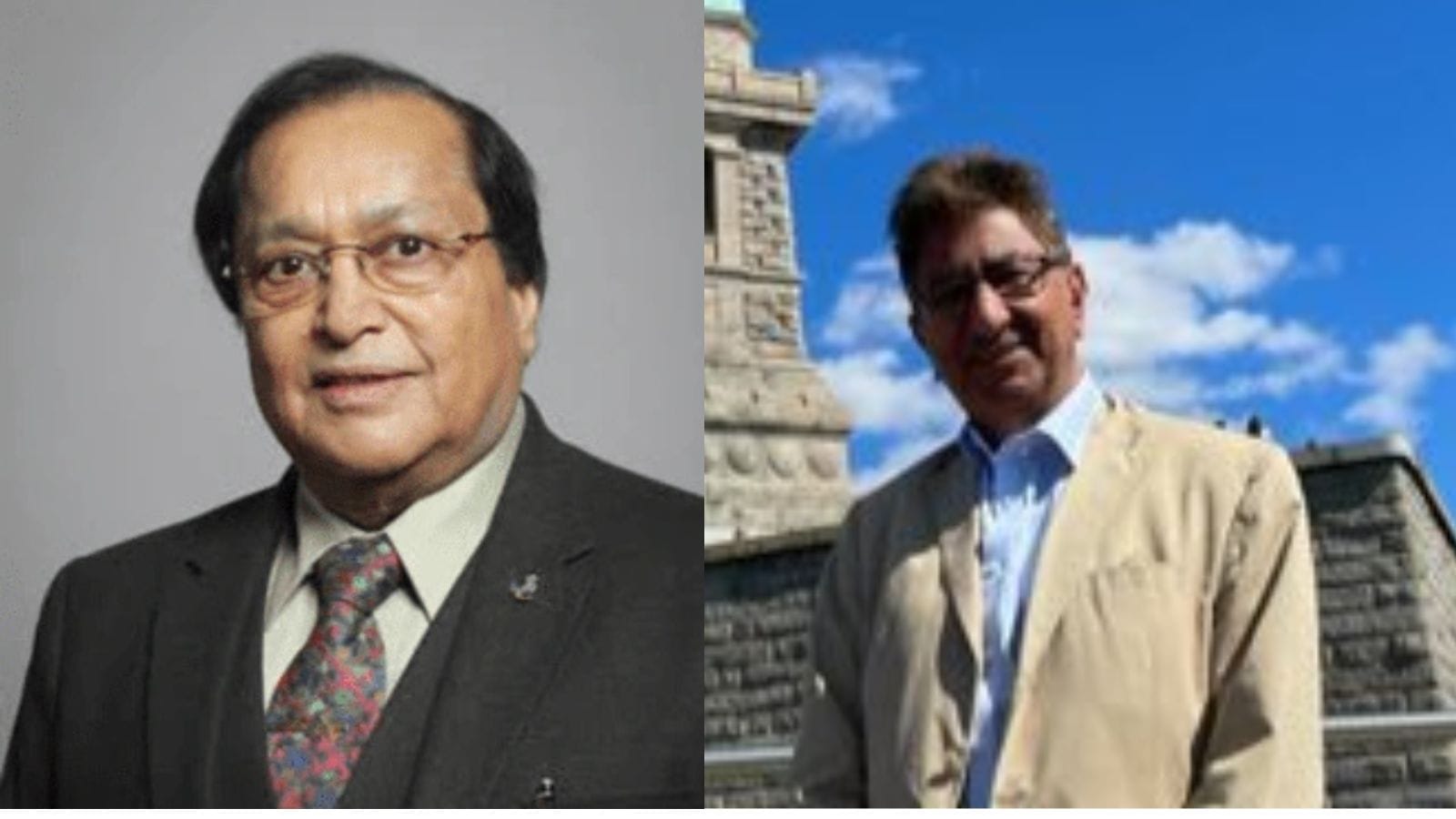
The recent decision by the UK Crown to revoke the honors bestowed upon Raminder Singh Ranger and Anil Kumar Bhanot, two British Indians, has sparked considerable debate and scrutiny. The annulment of their respective Commanders of the British Empire (CBE) and Officers of the British Empire (OBE) awards highlights a complex interplay of political contributions, accusations of misconduct, and the delicate balance between recognition of service and accountability for alleged transgressions. Lord Ranger, a prominent figure in the British-Asian community and the founder of Sun Mark Ltd, received his CBE in 2015 for his contributions to business and community engagement. His subsequent nomination for a life peerage further cemented his influence within the political landscape. However, the revocation of his honor stems from allegations of harassment and bullying leveled against him by Indian journalist Poonam Joshi. These allegations, substantiated by findings in June 2023, involved a series of tweets where Lord Ranger allegedly used derogatory language and made false claims against Joshi. The specifics of these allegations and the subsequent investigation warrant detailed examination to understand the grounds for the Crown's decision. Lord Ranger's response, attributing the revocation to his opposition to certain political factions and media outlets, adds another layer of complexity to the situation. It raises questions about the extent to which the expression of political views might influence the assessment of an individual's conduct and merit for honors.
Anil Kumar Bhanot, on the other hand, received his OBE in 2010 for contributions to the Hindu community and religious harmony. His role as managing trustee of the Hindu Council UK speaks to his commitment to interfaith dialogue and community service. The reasons for the revocation of his honor remain less clear from the provided text. It is crucial to understand the basis for this decision, as the lack of specific information leaves room for speculation and potential misinterpretations. The contrast between the apparent reasons for the revocation of Lord Ranger's and Mr. Bhanot's honors underscores the need for transparency and due process in such cases. Without a detailed explanation of the grounds for revoking Mr. Bhanot's OBE, the decision might raise concerns about potential inconsistencies in the application of standards for awarding and withdrawing honors. The public deserves a thorough explanation to maintain faith in the integrity of the honors system.
The cases of Lord Ranger and Mr. Bhanot highlight the challenges inherent in balancing the recognition of achievements with the accountability of individuals holding positions of influence. The Crown's power to revoke honors acts as a mechanism to address instances of misconduct or behaviors deemed incompatible with the values associated with these awards. However, the process itself requires careful consideration to ensure fairness and prevent arbitrary or politically motivated decisions. The differing circumstances surrounding the revocation of each individual's honor necessitates a deeper understanding of the evidence presented in each case. Furthermore, the public discourse surrounding these events should encourage a more transparent and equitable process for assessing and withdrawing honors. This would involve clearly defined criteria, independent investigations, and opportunities for individuals to present their defense. The long-term implications of these decisions extend beyond the two individuals involved. They affect public trust in the integrity of the honors system and the broader process of recognizing contributions to society.
The case highlights the challenges faced by individuals navigating the complexities of political and social influence in a diverse society. The clash between personal conduct and public perception, particularly in the age of social media, underscores the importance of responsible communication and accountability. The ramifications of these actions extend to the image of the British Empire and its approach to honor and recognition. The events serve as a reminder of the responsibility that comes with receiving prestigious awards and the need for consistent and transparent standards in the assessment of character and suitability for such distinctions. The detailed examination of the evidence presented against each individual is essential for ensuring fairness and preventing unwarranted criticism of the Crown's decision-making process. Further transparency in the procedures for revoking honors would strengthen the system's legitimacy and enhance public trust.
Source: Who are the two British Indians stripped of honours by the UK Crown?