
 |
|
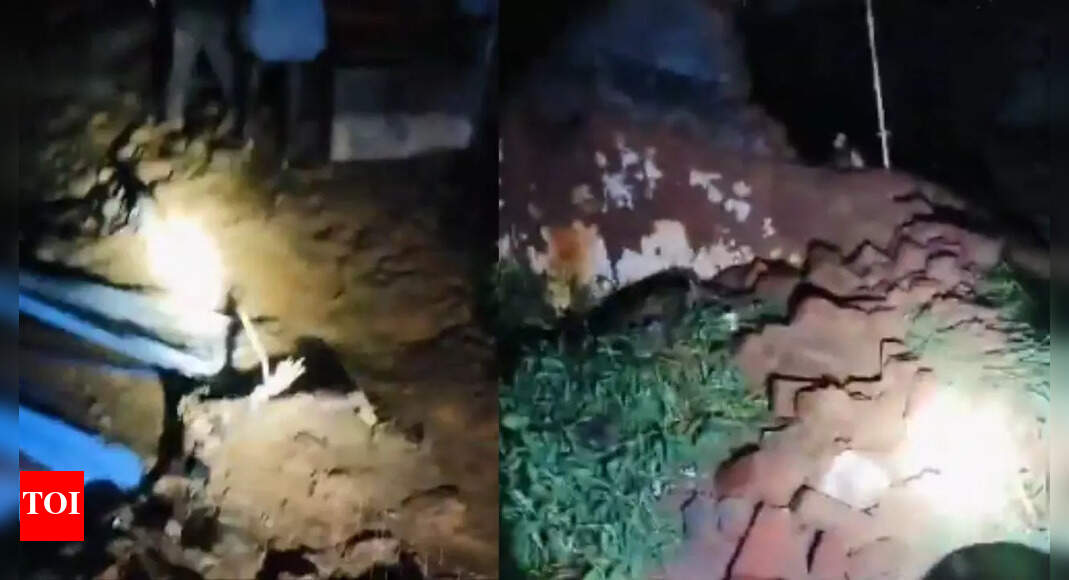
The recent devastating landslide in Tiruvannamalai, India, has tragically trapped seven individuals, prompting a large-scale rescue operation involving the National Disaster Response Force (NDRF) and other specialized teams. The incident, which occurred on Sunday afternoon around 4:30 pm following heavy rainfall associated with Cyclone Fengal, underscores the significant risks posed by extreme weather events and the urgent need for robust disaster preparedness strategies. The affected family, identified as Rajkumar, his wife Meena, their two children, and three children of Meena's brother, were residing on the 11th street in VOC Nagar. Their home was directly impacted by the sudden collapse of earth and rock, leaving them trapped beneath the debris. The sheer volume of displaced material presents considerable challenges to rescuers, necessitating a careful and methodical approach to ensure the safety of both the trapped individuals and the rescue personnel. The emotional toll on the families and the wider community is immense, as the waiting and uncertainty surrounding the fate of the trapped individuals creates an atmosphere of anxiety and despair. The community's resilience and support for one another during this difficult period remain crucial.
The rescue efforts are being coordinated by a number of agencies working in tandem. The NDRF, known for its expertise in disaster response, is playing a central role in the operation, utilizing specialized equipment and techniques to navigate the treacherous conditions and safely extract the trapped individuals. However, the operation is complicated by the presence of a large boulder precariously perched on a slope nearby, posing a significant additional risk. Experts from Yercaud, known for their expertise in rock breaking techniques, have been called in to manage this immediate threat. In parallel, experts from IIT Madras are en route to assess the soil stability and texture, aiming to provide valuable insights into the underlying causes of the landslide and to inform future preventative measures. Their analysis will be crucial for understanding the geological factors contributing to the incident and for devising strategies to mitigate the risk of future occurrences in the region. The meticulous planning and coordinated efforts of these expert teams are essential to ensuring a successful rescue while mitigating further risks.
Beyond the immediate rescue operation, the incident highlights the broader vulnerability of communities in regions prone to landslides. Continued heavy rainfall associated with Cyclone Fengal destabilized the soil, creating conditions that precipitated the catastrophic event. The incident serves as a stark reminder of the importance of effective land-use planning, responsible development practices, and robust early warning systems to mitigate the risks of future disasters. An investigation into the causes of the landslide will likely be undertaken to determine whether any regulatory measures or building codes were violated, which could contribute to future safety improvements and preventative strategies. Moreover, the government's response to the disaster, including the provision of temporary shelter in a nearby government school for those displaced by the landslide, is a crucial component of the overall management of the situation. Ensuring the well-being of the affected population beyond the immediate rescue extends beyond the physical rescue operation and must include provisions for emotional support and longer-term recovery efforts.
The second landslide, while thankfully resulting in no casualties, serves as a further cautionary tale. Its proximity to the primary incident highlights the widespread instability in the region, underscoring the ongoing and significant risks that the community faces. The rapid response from authorities, including PWD Minister E V Velu's on-site visit and the immediate deployment of resources, demonstrates the importance of preparedness and rapid action in such situations. The coordinated effort between local authorities, national disaster response teams, and expert consultants exemplifies the multi-faceted approach necessary to tackle the challenges posed by natural disasters. The incident underscores not only the immediate need for rescue efforts but also the critical importance of investing in long-term measures for disaster preparedness, risk reduction, and community resilience. As the rescue operation continues, the nation waits with bated breath, hoping for a successful outcome and a swift recovery for the affected community. The experience gained from this event will be crucial for improving future disaster response and mitigation strategies across the country.
Source: Tiruvannamalai landslide: NDRF personnel involved in rescue operation