
 |
|
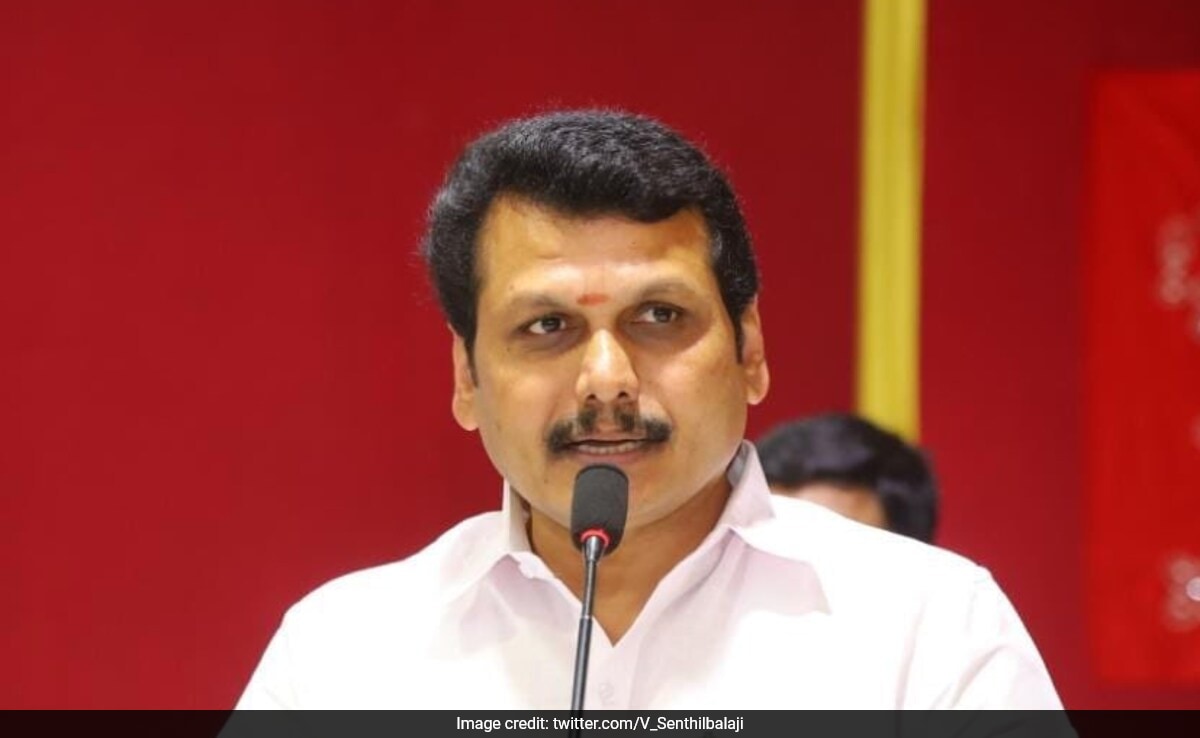
The recent case of Senthil Balaji, a prominent leader of the Dravida Munnetra Kazhagam (DMK) party in Tamil Nadu, India, has raised significant questions about the judiciary's role in maintaining impartiality and the potential for political influence on legal proceedings. Balaji, a four-term MLA with a history spanning both the DMK and AIADMK parties, was arrested in June 2023 on corruption charges related to his tenure as transport minister from 2011 to 2015. The Enforcement Directorate (ED), a central agency responsible for investigating financial crimes, spearheaded the investigation. Following eight months of detention, Balaji was granted bail in September 2024. However, the surprising and swift reinstatement of Balaji to his ministerial position the very next day triggered a wave of criticism and prompted a petition to the Supreme Court questioning the propriety of this sequence of events.
The Supreme Court's response reflected deep concern over the potential for witness intimidation. Justice AS Oka's pointed question, "We grant bail and the next day you go and become Minister, anybody will be bound under the impression that now with your position as a senior Cabinet Minister witnesses will be under pressure. What is this going on?" highlighted the court's apprehension about the integrity of the ongoing investigation. The court acknowledged the potential for witnesses to feel coerced into changing their testimonies or withholding information given Balaji's newly regained power and influence within the state government. While the court refrained from overturning the bail order on merit, stating it had benefited others in similar situations, its focus narrowed sharply to the issue of witness pressure, scheduling a further hearing to examine this crucial aspect.
The case underscores a larger debate surrounding the intersection of politics and law enforcement in India. The DMK, currently in power in Tamil Nadu under Chief Minister MK Stalin, vehemently defended Balaji's reinstatement, with Stalin accusing the BJP-led central government of using the ED for political persecution. Stalin's statement, comparing the duration of Balaji's detention to that during the Emergency, sought to frame the issue as an act of political oppression by the opposition. This narrative highlights the deeply polarized political climate in India, where accusations of politically motivated investigations are commonplace. The rapid sequence of events—bail granted, followed immediately by ministerial reinstatement—offers fertile ground for such accusations, irrespective of the legal merit of the bail order itself.
The Supreme Court's decision to limit its review to the question of witness pressure suggests a cautious approach, balancing the need to uphold the integrity of the legal process with the need to avoid interfering in the political sphere. The December 13th hearing will be critical in determining whether the court finds sufficient evidence to warrant further action. The outcome will have broader implications, affecting not only Balaji's case but also shaping public perception of the independence of the judiciary and the fairness of legal proceedings in cases involving high-profile politicians. The case serves as a potent reminder of the delicate balance between upholding the rule of law and preventing the abuse of power, particularly when political motivations are suspected.
The case raises serious questions about the efficacy of checks and balances within the Indian judicial system. The swift reinstatement of Balaji casts a shadow on the impartiality of the proceedings, potentially undermining public trust in the legal process. While the Supreme Court’s focus on witness pressure is a crucial element, the underlying concern remains the perception of political influence impacting the fairness of the legal system. This raises larger questions about reforms that might prevent such rapid political rehabilitations after facing serious legal allegations. The upcoming hearing will be a significant moment for the Indian judiciary, presenting an opportunity to demonstrate its commitment to transparency, justice, and safeguarding against undue political pressure.
Source: "We Grant Bail, Next Day...": Top Court Surprised In Senthil Balaji Case