
 |
|
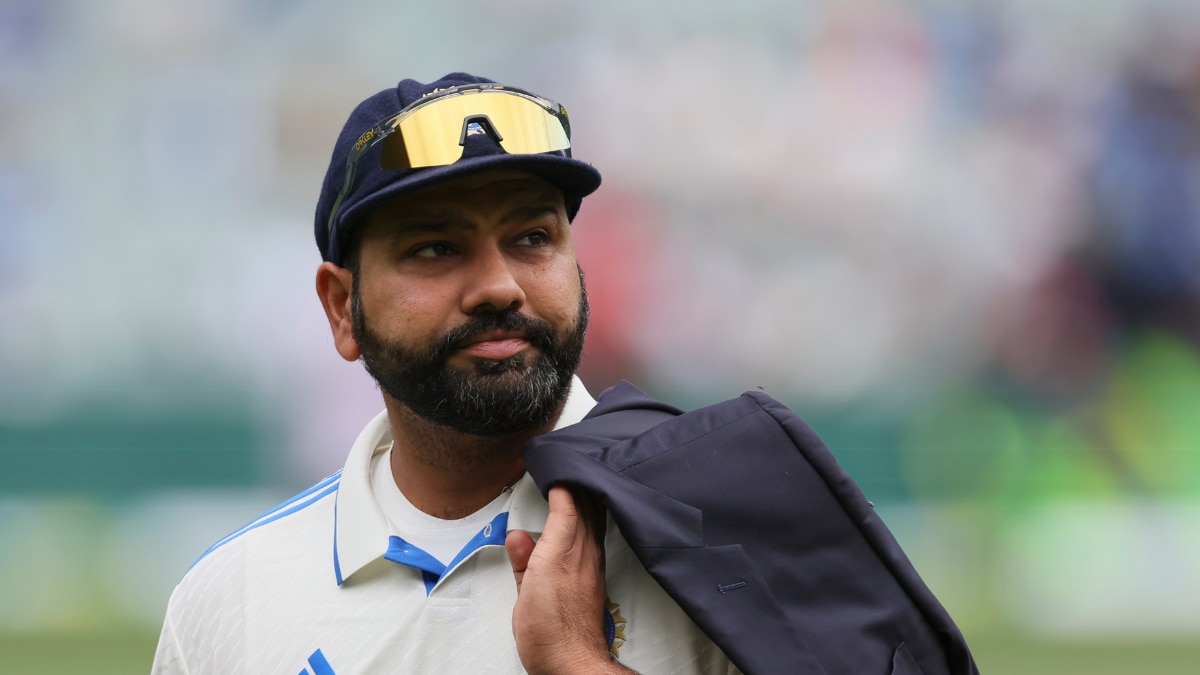
The second Test of the Border-Gavaskar Trophy between India and Australia in Adelaide witnessed a significant strategic decision by Indian captain Rohit Sharma, one that garnered significant praise from former cricketer Sanjay Manjrekar. Sharma, despite returning to the team after an absence, opted to bat in the middle order, foregoing his usual opening position. This selfless act was primarily to retain the opening partnership of KL Rahul and Yashasvi Jaiswal, both of whom were in good form. Manjrekar highlighted Sharma's decision as a testament to his leadership qualities and his commitment to putting the team's interests above his own. He emphasized the importance of maintaining consistency within the opening duo, particularly given the promising start Rahul and Jaiswal had shown. Manjrekar further emphasized that the responsibility now fell upon KL Rahul to sustain his performance from the previous matches. The strategic move, however, did not yield the desired results for India's batting lineup in the Adelaide Test.
Manjrekar's comments shed light on the nuanced dynamics of team selection and the significance of a captain's leadership style. He drew parallels between Sharma's current action and his leadership role in the 2023 World Cup, showcasing a consistent pattern of prioritizing the collective success of the team. Manjrekar's words portrayed Sharma not merely as a skillful player, but as a captain who embodies a selfless and team-oriented philosophy, setting him apart from some other captains he has observed. The decision to maintain the opening partnership was strategically significant, given the potential disruption that changing a successful opening pair might have caused. The risk, however, was evident as it ultimately did not prevent a collapse of the Indian batting order, raising questions about the overall team strategy beyond just the captain's selfless decision.
The Adelaide Test, however, served as a stark reminder that strategic decisions, even those born from selfless intentions, do not always guarantee success. The Australian bowling attack, spearheaded by Mitchell Starc and Pat Cummins, proved too formidable for the Indian batsmen. Despite a valiant effort from KL Rahul and Shubman Gill, neither could produce a significant score. Rahul's dismissal for 37 and Gill's departure at 31 underscored the challenge posed by the Australian bowlers. Even Rohit Sharma's tactical move to bat in the middle order did not provide the expected breakthrough. He faced only 23 balls before being dismissed for three runs, highlighting the dominance of the Australian bowling unit. Starc, in particular, delivered a stellar performance, claiming a five-wicket haul in the first innings, significantly impacting India's batting performance and showcasing the unpredictable nature of the game.
The match outcome highlights the complexities of cricket and the limitations of even the most well-intentioned strategic decisions. While Manjrekar's praise for Rohit Sharma's selfless leadership and prioritization of the team was entirely warranted, it also underscores the fact that individual brilliance and team strategies cannot always overcome superior opposition. The match served as a valuable learning experience for the Indian team, emphasizing the need for consistent performance and adaptation in the face of strong competition. The importance of addressing weaknesses in the batting line-up, regardless of strategic decisions, became strikingly apparent after the match. The Adelaide Test serves as a reminder that even the most calculated plans are susceptible to the ebb and flow of the game, making consistent performance across the entire team even more critical for future matches in the series.