
 |
|
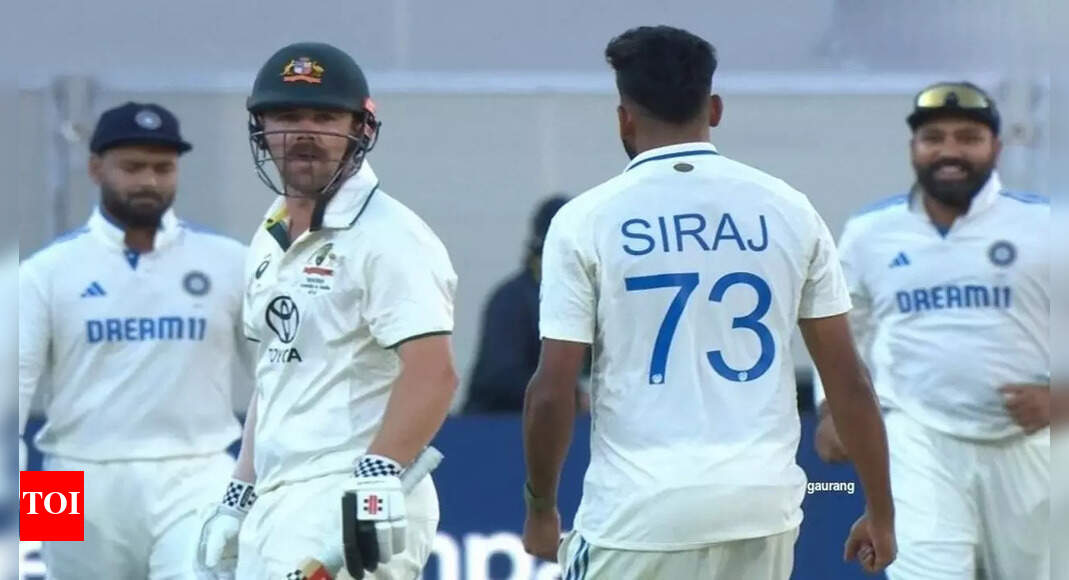
The recent Border Gavaskar Trophy match between India and Australia witnessed a heated exchange between Indian fast bowler Mohammed Siraj and Australian batsman Travis Head. This incident, occurring during the Adelaide Test, sparked considerable debate and commentary, culminating in captain Rohit Sharma addressing the situation post-match. Sharma's response was notable for its balanced approach, acknowledging Siraj's aggressive playing style while simultaneously emphasizing the importance of maintaining control and respecting the boundaries of the game. He stated that while he supports Siraj's competitive spirit and intensity on the field, it's crucial to avoid crossing the line into excessive aggression that could escalate the situation unnecessarily. This nuanced stance reflects the complexities of managing player behavior in highly competitive sporting events. The captain's words highlight the delicate balance between encouraging a fiery, competitive approach and ensuring that players remain within the rules and spirit of the game.
The controversy surrounding the Siraj-Head confrontation extended beyond the on-field incident. Following the match, Siraj publicly disputed Head's claim of having offered a 'well bowled' acknowledgment after dismissing him. This fueled further speculation and discussion, highlighting the tension and competitive nature of the series. However, Rohit Sharma displayed a clear preference for moving past the incident, focusing instead on the overall performance and the strategic aspects of the game. He emphasized the need to view the entire match within a broader context, rather than dwelling on isolated moments of confrontation. His words also underscore the maturity expected from professional athletes in handling such situations and the need to prioritize the team's overall objective: winning the series. The captain's measured response contrasts with the highly charged atmosphere often associated with such intense sporting rivalries.
Rohit Sharma's leadership in this situation provides valuable insights into the dynamics of captaincy and the challenges of managing player emotions. His decision to back Siraj's aggression, while simultaneously emphasizing the importance of staying within the rules, showcases a balance between support and control. This reflects a mature understanding of leadership, recognizing the need to both encourage strong performance and maintain team cohesion and respect for the opposition. Moreover, his emphasis on moving past the incident and focusing on the overall team goals underscores his strategic acumen. The fact that he chose not to dwell on the specifics of the confrontation, but rather focus on the game's overall picture, emphasizes his maturity and ability to navigate the complexities of high-stakes competition. This situation highlights the leadership required in sports, not merely in winning or losing, but in managing interpersonal conflicts and maintaining the integrity of the game itself.
The incident also raises broader questions about on-field behavior and sportsmanship. The fine line between aggressive competitiveness and unsportsmanlike conduct is often blurred, particularly in the heat of intense competition. Finding a balance between fostering a fierce and competitive spirit and preventing unnecessary confrontations remains a constant challenge for teams and sporting bodies. The Siraj-Head incident serves as a reminder of the importance of promoting respect between players and teams, even amidst fierce rivalry. This emphasizes the need for strong leadership and clear guidelines that ensure players are aware of the acceptable limits of on-field conduct. The ongoing debate surrounding the incident will undoubtedly contribute to future discussions about sportsmanship and the balance between aggressive play and fair play in competitive sports. The future matches will be watched closely to see how the players navigate similar situations.
In conclusion, the controversy surrounding Mohammed Siraj and Travis Head serves as a microcosm of the larger dynamics of international cricket. It highlights the balance between fierce competition, individual expression, and maintaining a level of respect and sportsmanship. Rohit Sharma's measured response effectively encapsulates the challenges of leadership in high-pressure situations. His emphasis on backing Siraj's aggression while simultaneously cautioning against crossing the line reflects a nuanced approach to team management and highlights the complex nature of guiding players through intense competitive environments. The incident also provides a valuable opportunity to re-evaluate the balance between aggression and sportsmanship in the sport and to foster a better understanding of how to navigate similar situations in the future. The series continues, and the spotlight will remain on both teams, not just for their performance on the field, but also for the way in which they interact and uphold the spirit of the game.
Source: Rohit Sharma backs Mohammed Siraj's 'aggression' against Travis Head, but mindful of 'fine line'