
 |
|
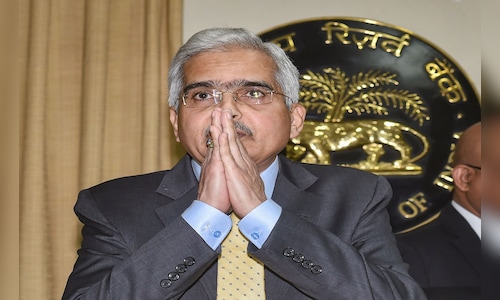
The upcoming December Monetary Policy Committee (MPC) meeting of the Reserve Bank of India (RBI) holds significant weight, not only for its potential economic policy decisions but also for the future of its governor, Shaktikanta Das. With his current term ending on December 10th, the anticipation surrounding a potential extension is palpable. While sources suggest an extension is likely, the possibility remains open, leading to speculation about alternative candidates. The current climate of economic uncertainty adds another layer of complexity to the decision. India's GDP growth has slowed to a seven-quarter low of 5.4% in the July-September quarter, falling considerably short of the RBI's 7% forecast. This slowdown, coupled with persistent inflation, presents a challenging economic landscape for the incoming governor, regardless of who it may be.
Among the potential candidates vying for the position, several prominent figures have emerged. Ananth Nageswaran, the Chief Economic Advisor (CEA), and Ajay Seth, Secretary of the Department of Economic Affairs (DEA), are both considered strong contenders. Furthermore, several of the current RBI Deputy Governors are also in the running. The selection process will undoubtedly consider a wide range of factors, including economic expertise, leadership capabilities, and the ability to navigate complex challenges facing the Indian economy. The chosen individual will inherit a considerable responsibility: guiding the nation through a period of economic volatility and making critical decisions that will impact millions of lives.
The economic backdrop against which this leadership transition unfolds is far from simple. Inflation, a persistent concern, reached a 14-month high of 6.21% in October, primarily fueled by escalating food prices. This inflationary pressure complicates the RBI's policy options, making a rate cut highly unlikely in the immediate future. Instead, the focus is likely to shift towards liquidity management, potentially through adjustments to the Cash Reserve Ratio (CRR). A reduction in the CRR, the portion of bank deposits held with the RBI, could free up funds for lending, providing some relief to the banking sector. Rajiv Anand, Deputy Managing Director of Axis Bank, highlighted the potential benefits of a CRR cut in easing liquidity and reducing deposit-raising costs, currently elevated despite the prevailing repo rate. The upcoming MPC meeting's decisions on this matter, therefore, are critically important.
Beyond the immediate concerns of inflation and liquidity, the long-term implications of the governor's appointment are equally profound. The next RBI governor will be tasked with navigating a complex global economic environment, grappling with challenges ranging from geopolitical instability to fluctuating commodity prices. Their decisions will significantly shape India's economic trajectory for years to come. The appointment itself is not just a technical matter but carries considerable political and economic weight, influencing investor confidence, market stability, and the overall health of the Indian economy. The choice, therefore, requires careful consideration, balancing experience, vision, and the ability to adapt to rapidly evolving circumstances.
In conclusion, the December MPC meeting is not simply a routine monetary policy gathering. It marks a pivotal moment for the RBI, shaping its future leadership and influencing its approach to the significant economic challenges confronting India. The outcome of the meeting, particularly regarding the extension of Shaktikanta Das's tenure or the appointment of a new governor, will send a strong signal to domestic and international markets, profoundly impacting investor sentiment and the overall economic outlook for India. The decision will require a delicate balance of addressing immediate concerns like inflation and growth while charting a long-term course for sustainable economic development.
Source: All eyes on December RBI MPC meet as Shaktikanta Das' tenure as governor unclear