
 |
|
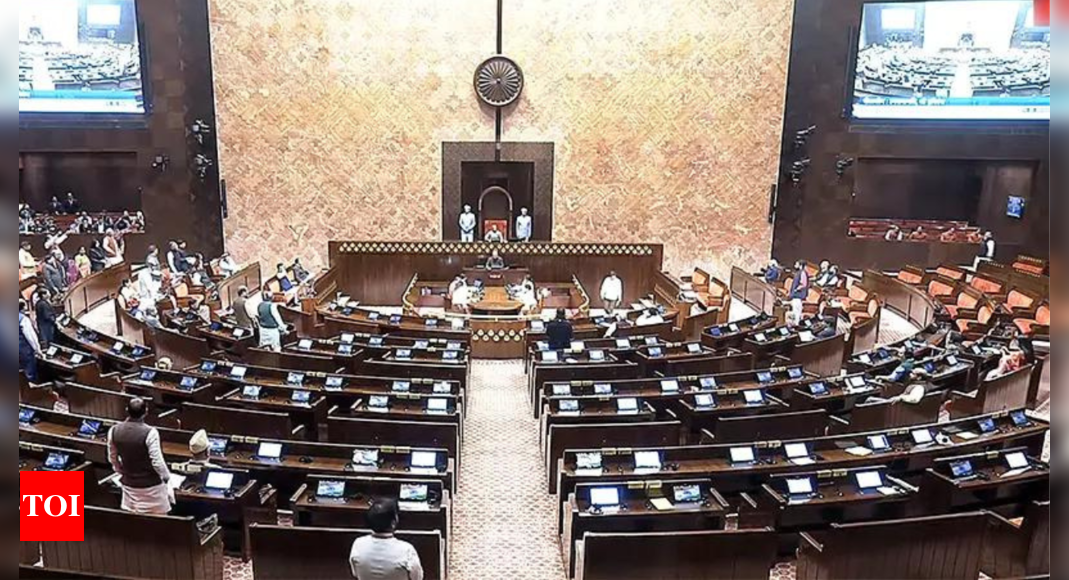
The Rajya Sabha session on Friday witnessed an unusual role reversal, highlighting the complex dynamics within Indian politics. The opposition parties, typically known for disrupting parliamentary proceedings, surprisingly advocated for the smooth functioning of the House. This unexpected stance came amidst a controversy surrounding the recovery of a significant amount of cash—Rs 500 notes—from the seat of senior Congress MP and prominent lawyer, Abhishek Manu Singhvi. The BJP, in contrast, aggressively pushed for a thorough investigation into the incident, creating a dramatic scene within the chamber. This situation underscores the intricate power plays and shifting alliances within the Indian parliament. The contrast in approaches served as a compelling case study in political strategy and maneuvering during times of controversy.
The opposition's call for normalcy directly challenged the BJP's efforts to leverage the cash recovery incident for political gain. Their argument centered around the fact that an investigation had already been initiated, rendering further disruptions unnecessary. Opposition members, including leader of the opposition Mallikarjun Kharge, emphasized the need to allow the investigation to proceed without prejudging its outcome. Kharge's plea to avoid mentioning the MP's name before the completion of the investigation highlighted the importance of due process and fairness. However, the BJP, including ministers, argued that the Congress party's current stance was hypocritical, citing instances where the Congress itself had not followed similar principles in the past. This exchange demonstrated the inherent tensions and accusations that frequently characterize political discourse in India.
Rajya Sabha Chairman Jagdeep Dhankhar played a crucial role in attempting to mediate the situation. His call for restraint and his observation that matters under investigation should not become subjects of prolonged debates underscore the importance of maintaining decorum and procedural propriety within the parliament. The chairman's intervention highlights the delicate balance he must maintain in navigating the often-turbulent political landscape of the Rajya Sabha. Furthermore, the actions of the Leader of the House, JP Nadda, also reflect the intricate political calculus at play. Nadda's accusations that the opposition selectively prioritized certain issues while ignoring others reveal the complexities of coalition politics and the strategic use of parliamentary procedures. His comments about the opposition's concern for zero hour being influenced by a potential attempt to preempt the investigation added another layer of political intrigue to the ongoing events.
The debate extended to the broader question of parliamentary conduct and the role of the opposition. Minister Piyush Goyal's suggestion for a rule requiring the opposition to ensure the smooth functioning of the House and not raise issues under investigation reflects a desire for greater control and predictability within the parliamentary process. However, Kharge's response, emphasizing his reliance on the chairman's authority and the ongoing investigation, showcases the inherent tension between maintaining parliamentary efficiency and upholding the rights of the opposition to raise concerns. Minister Kiren Rijiju's call for an assurance from the opposition to avoid raising unnecessary issues highlights the government's frustration with perceived obstructionist tactics. The exchange reveals a deeper struggle over the role of the opposition in holding the government accountable while maintaining the effective functioning of the legislative process.
Ultimately, the events in the Rajya Sabha highlight the ongoing struggle for power and influence within the Indian political system. The unexpected alignment of opposition parties in their desire for normalcy amidst a controversy involving a member of their own party is a testament to the complex and ever-shifting alliances within the Indian political landscape. The BJP's counter-strategy of demanding an investigation underscores the party's willingness to utilize any opportunity to gain political leverage. The role of the chairman and other parliamentary leaders in navigating these complexities showcases the delicate balancing act required to maintain order and facilitate meaningful legislative work amidst intense political battles. This incident serves as a compelling example of the often-tense and dramatic nature of Indian parliamentary politics, where procedural matters and political maneuvering are intertwined and constantly in flux.
Source: In role reversal, opposition sought normal functioning of Rajya Sabha amid cash recovery row