
 |
|
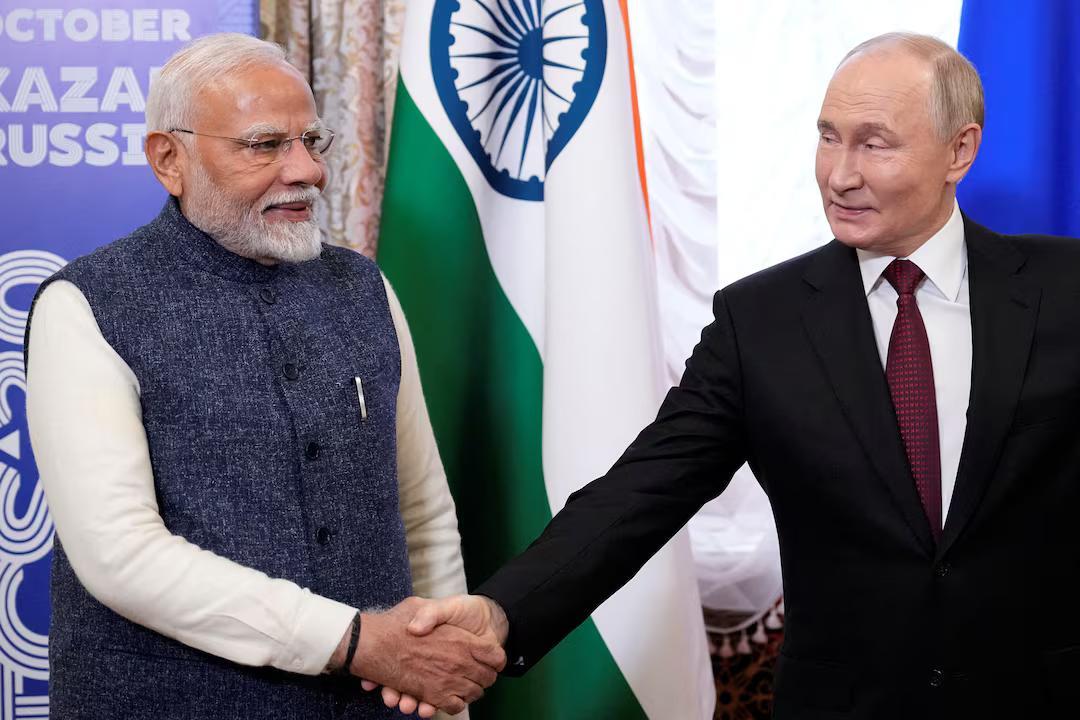
The geopolitical landscape has shifted dramatically since the outbreak of the Russia-Ukraine war in February 2022, significantly impacting international relations and alliances. The potential visit of Russian President Vladimir Putin to India in early 2025, as reported, carries significant weight within this complex context. The confirmation from the Kremlin that preparations are underway, despite the absence of confirmed dates, underscores the importance both nations place on this potential meeting. This visit would mark Putin's first trip to India since the war began, highlighting the enduring, yet evolving, relationship between Moscow and New Delhi.
India's relationship with Russia has deep historical roots, stretching back decades. This long-standing partnership has been characterized by significant cooperation in various sectors, including defense, energy, and trade. However, the war in Ukraine has introduced considerable complexities. While India has maintained a neutral stance publicly, refraining from outright condemnation of Russia's actions, the international pressure to distance itself from Moscow has been palpable. The upcoming visit, therefore, will be closely scrutinized for any indications of a shift in India's policy towards Russia or a potential compromise on its neutral stance.
The potential visit's significance extends beyond bilateral relations. Given India's growing global influence and its non-aligned foreign policy, the meeting between Putin and Prime Minister Narendra Modi will likely have broader implications for regional and global stability. The discussions are expected to cover a wide range of issues, from energy security and defense cooperation to economic partnerships and the ongoing conflict in Ukraine. Observers will be keen to understand how the two leaders navigate the complexities of the current geopolitical climate and whether the visit will signal a renewed commitment to the long-standing partnership, a recalibration of the relationship in light of the war, or something in between.
Furthermore, the economic dimensions of the visit cannot be overlooked. Russia remains a significant supplier of energy and defense equipment to India, and the ongoing war has disrupted global energy markets, impacting India's access to resources. Discussions regarding energy security and alternative supply chains will undoubtedly be central to the agenda. The economic implications of any agreements reached during the visit could have significant repercussions for both countries and the global economy. The intricate interplay between geopolitical realities and economic considerations will shape the narrative surrounding the visit.
The timing of the visit, planned for early 2025, suggests a deliberate strategy on the part of both governments. The intervening period will allow for further developments in the Ukraine conflict and give both sides time to prepare for the discussions. However, the unpredictability inherent in geopolitical situations means that unforeseen events could significantly influence the nature and outcome of the visit. Therefore, analyzing the discussions and outcomes will require a keen understanding of the context in which they take place.
In conclusion, President Putin's potential visit to India in early 2025 is a significant event with far-reaching consequences. The visit will be a crucial barometer of the evolving relationship between Russia and India within the current complex geopolitical environment. The discussions and agreements reached will undoubtedly shape the future trajectory of this crucial bilateral relationship and impact the broader global landscape. Close observation of the events leading up to and following the visit will be essential to fully understand its significance and impact on the world stage. The complexities involved demand detailed analysis from various perspectives to interpret the true meaning and implications of this high-profile meeting.